Come with us on a journey to rediscover Prague through art, memory, and the stories still living inside Andaz Prague
What remains of an art collection after the opening? What happens once the final artwork has been installed, the accessories have been styled, the booklet has been printed, and the hotel begins to operate with the collection every day?
These questions are especially relevant in hospitality. A hotel art collection is not created for one moment. It must function within a living environment. It needs to support the identity of the property, guide the guest experience, remain operationally practical, and continue to offer meaning long after the initial handover.
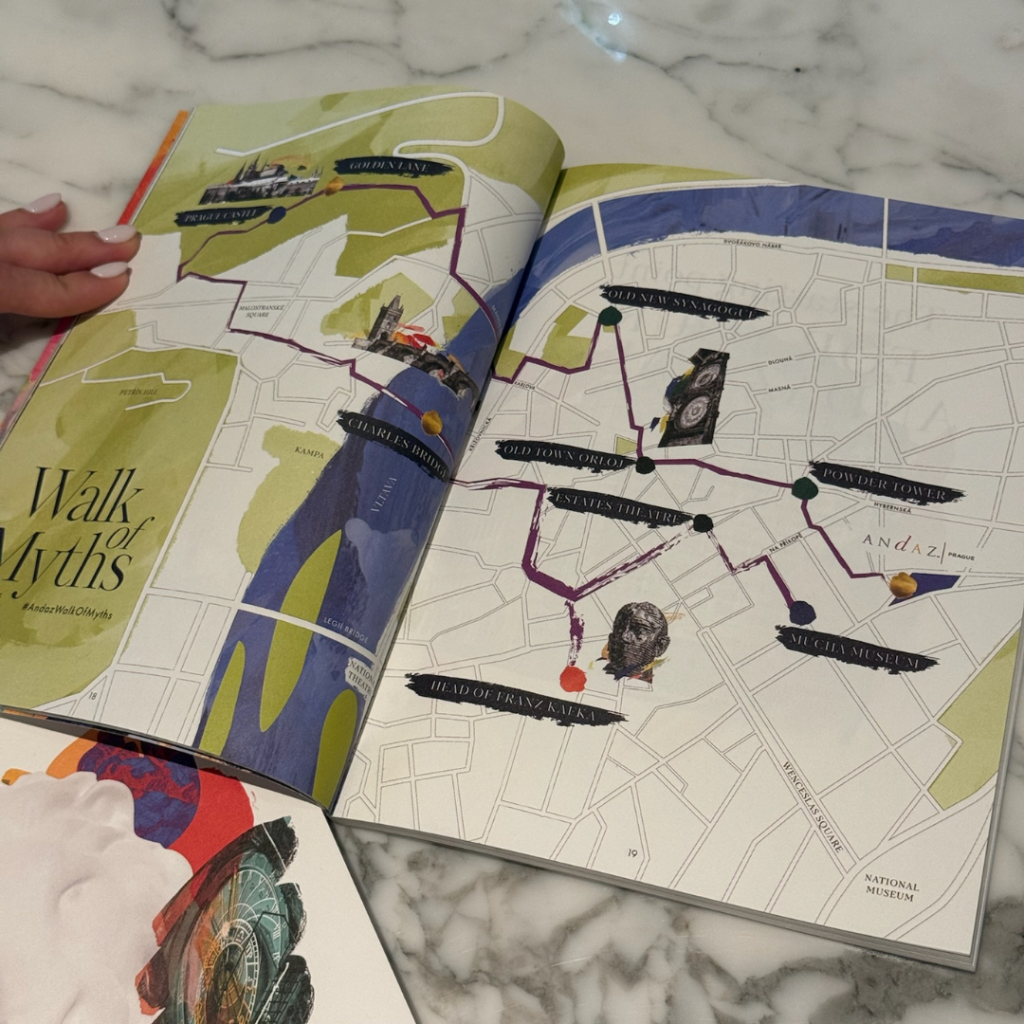
Four years after completing the art collection and accessory styling for Andaz Prague, Alexandra and Susana revisited the property and followed the Walk of Myths tour themselves. Booklet in hand, they moved through the hotel as guests would: reading the stories, identifying the touchpoints, looking again at the commissions, and seeing how the collection continues to shape the experience of the building.
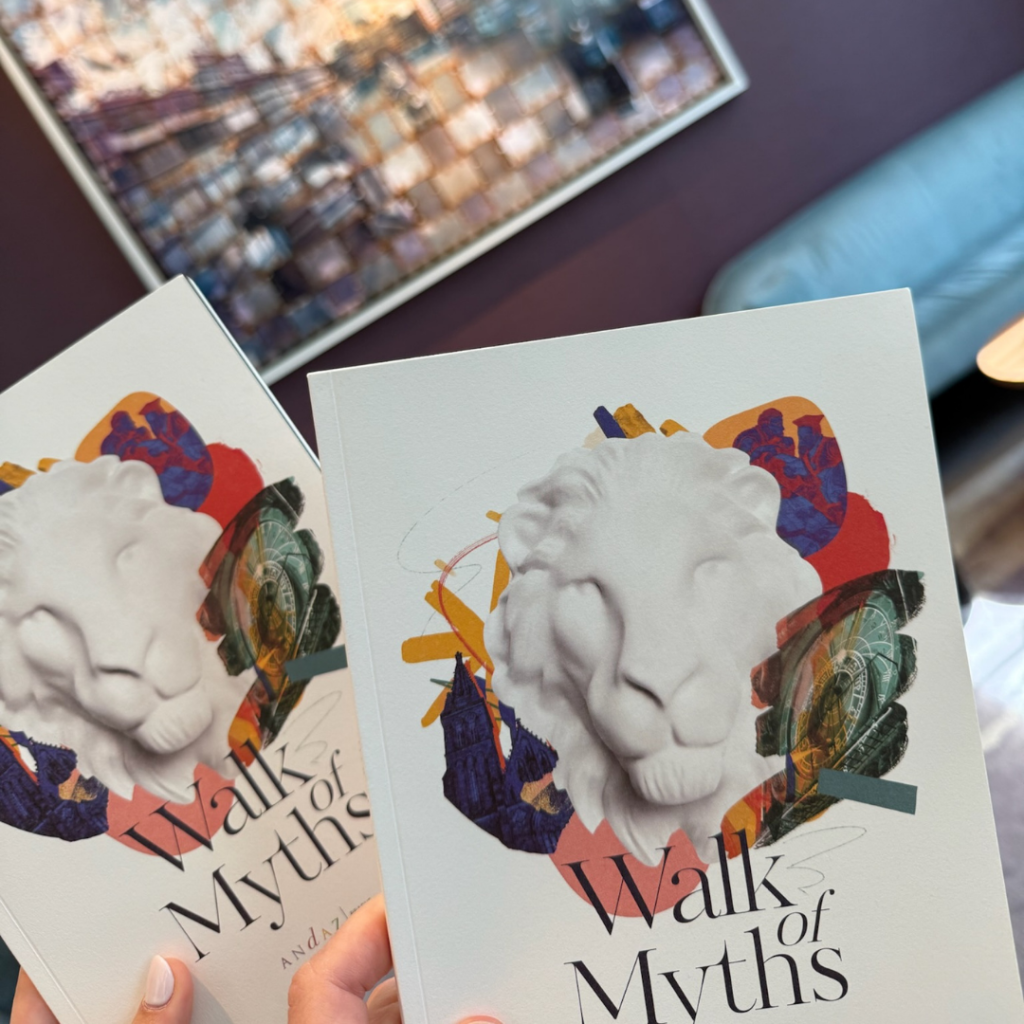
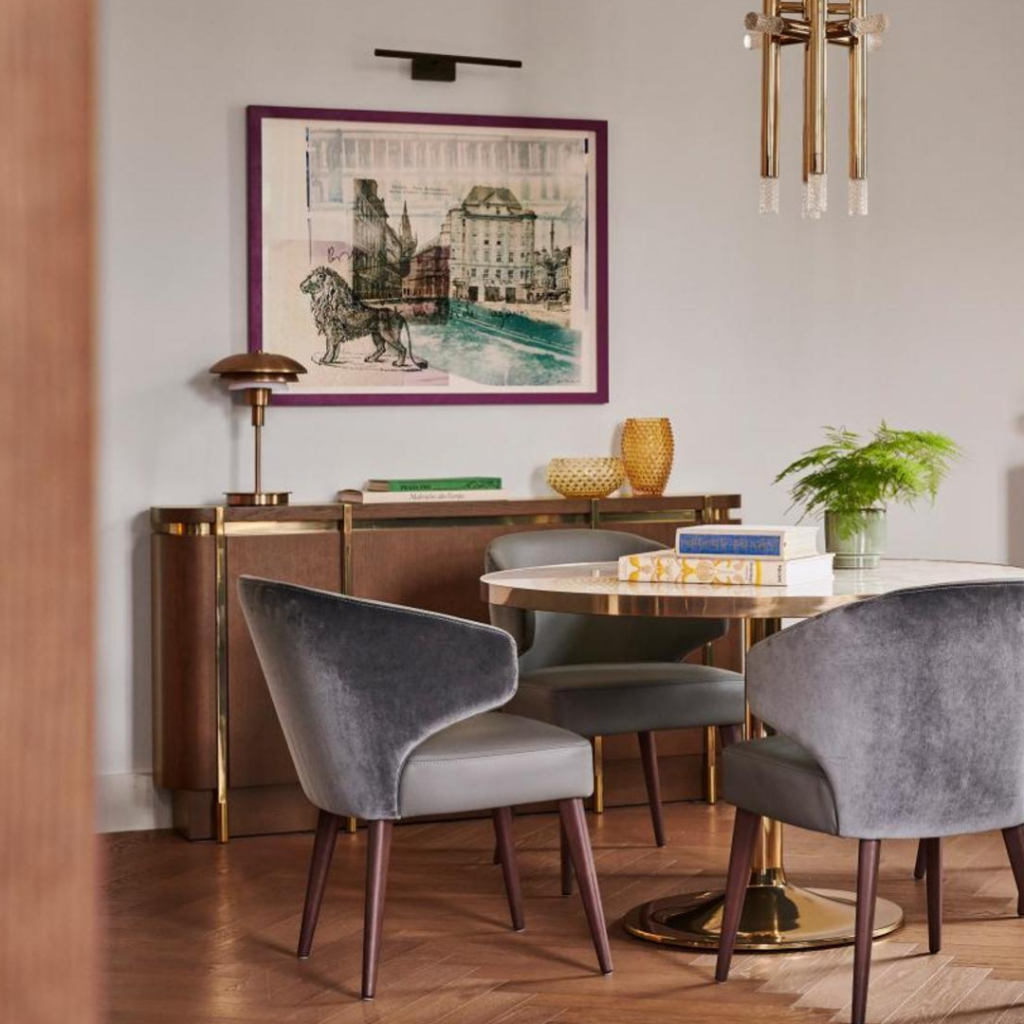
The project was conceived as an art journey through Prague’s myths, legends, symbols, and cultural memory.
The project was conceived as an art journey through Prague’s myths, legends, symbols, and cultural memory. Rather than placing artworks into the hotel as a final visual layer, the collection was developed as an interpretive framework for the entire guest journey. The Old Town Orloj, Golden Lane, the Golem, Libuše and Přemysl, Šemík, Bruncvík, Kafka, music, architecture, memory, and folklore became curatorial starting points for contemporary artists to translate into site-specific and concept-led works.
This is where art consultancy in hospitality requires a specific kind of thinking. The collection must have curatorial depth, but it also needs to be accessible. It must speak to the location without becoming literal. It must support the interior concept without simply following it. It must create memorable guest touchpoints while remaining integrated into the daily operation of the hotel.
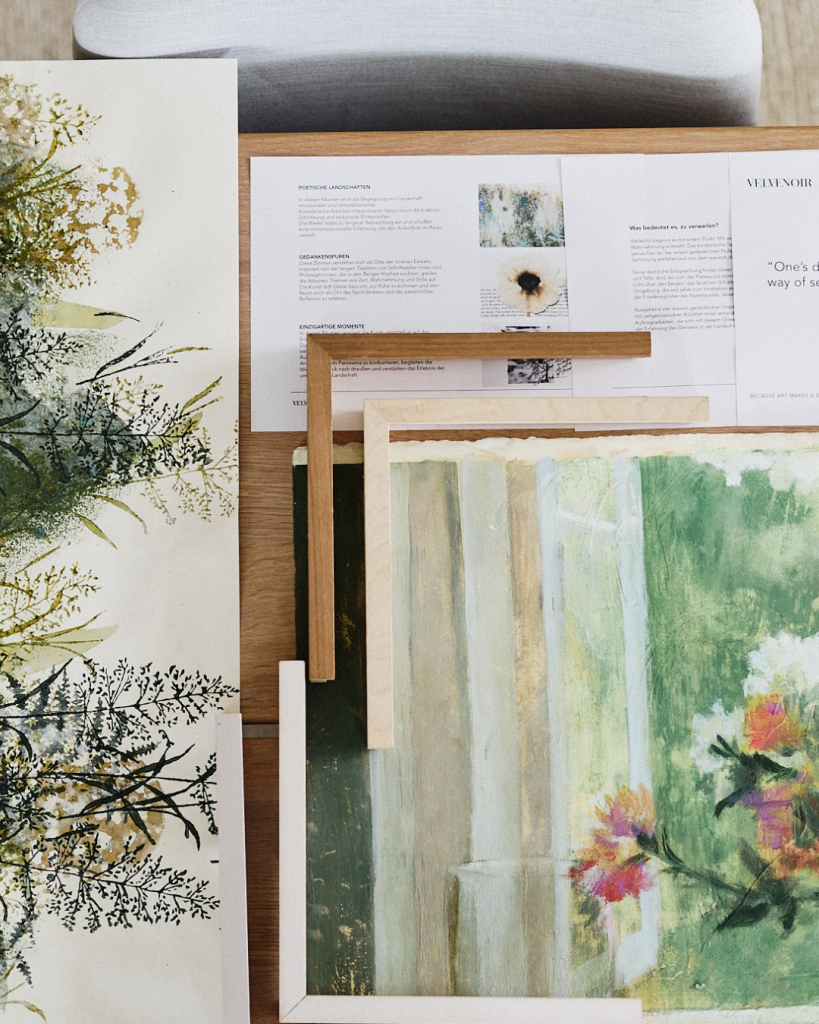
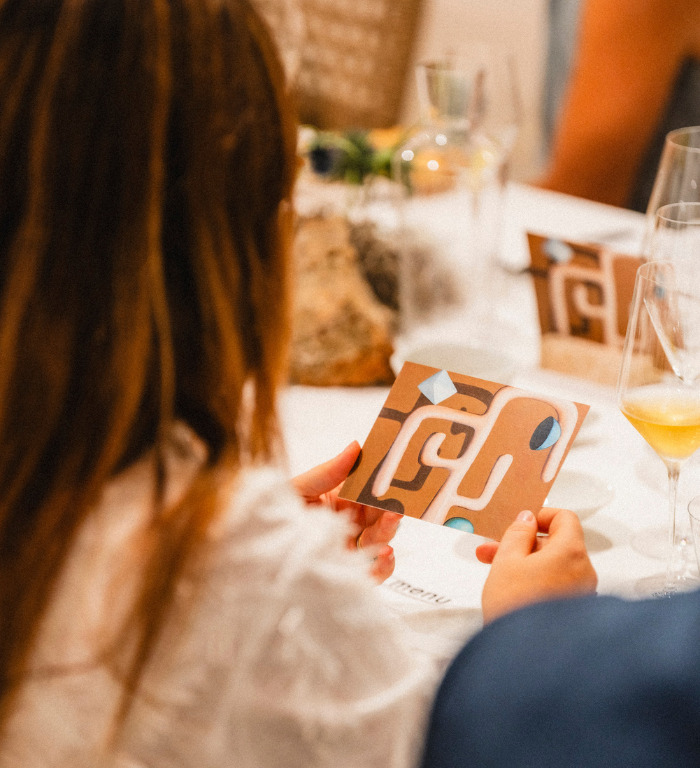
At Andaz Prague, the Walk of Myths booklet continues to play an essential role in this experience. It gives guests a way into the collection. It explains the stories behind the artists and commissions without making the encounter feel formal or distant. It allows the hotel to offer more than a visual environment: it offers a self-guided cultural journey through the property.
As Alexandra and Susana followed the booklet again, the value of this approach became clear. The artworks, accessories, and narrative details continued to connect. The operational team was still speaking about the myths and legends. The property was still using the collection as part of its identity and guest communication.
For us, one of the strongest indicators of a successful hospitality art collection, is an art collection which can be understood, activated, maintained, and shared by the people who operate the hotel every day.
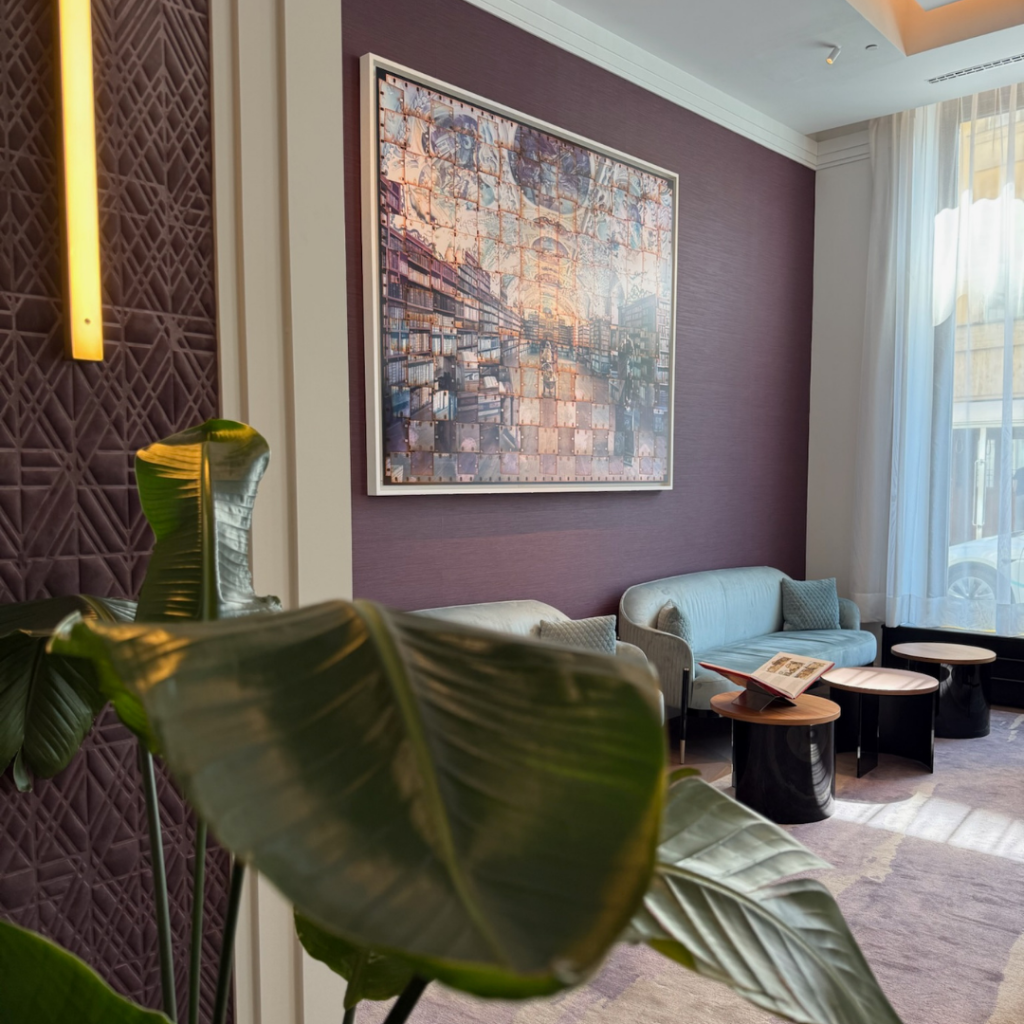
One of the key works in the journey is Vendulka Prachlova’s installation inspired by the Old Town Astronomical Clock. Her reflection on time becomes particularly meaningful in a hotel context, where guests arrive, depart, wait, meet, sleep, celebrate, and move through the building in different states of attention. The work connects Prague’s historic relationship with time to the world we live in today, especially in hospitality.
Miguel Rodriguez’s work inspired by Golden Lane, alchemy, copper, gold, and transformation shows another important aspect of the project: the ability of an artwork to respond to local mythology without illustrating it too directly. The commission opens a dialogue between material, place, and imagination, allowing guests to encounter the story through form rather than explanation alone.
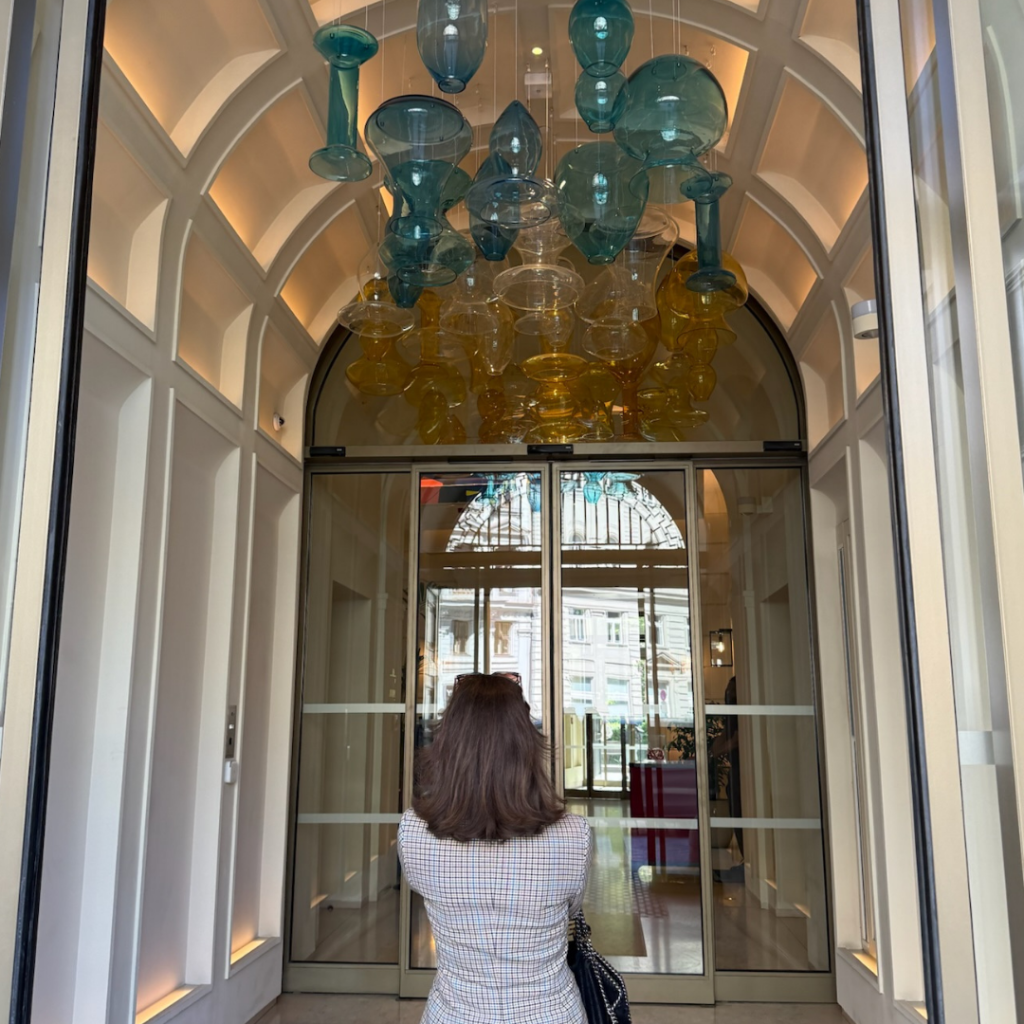
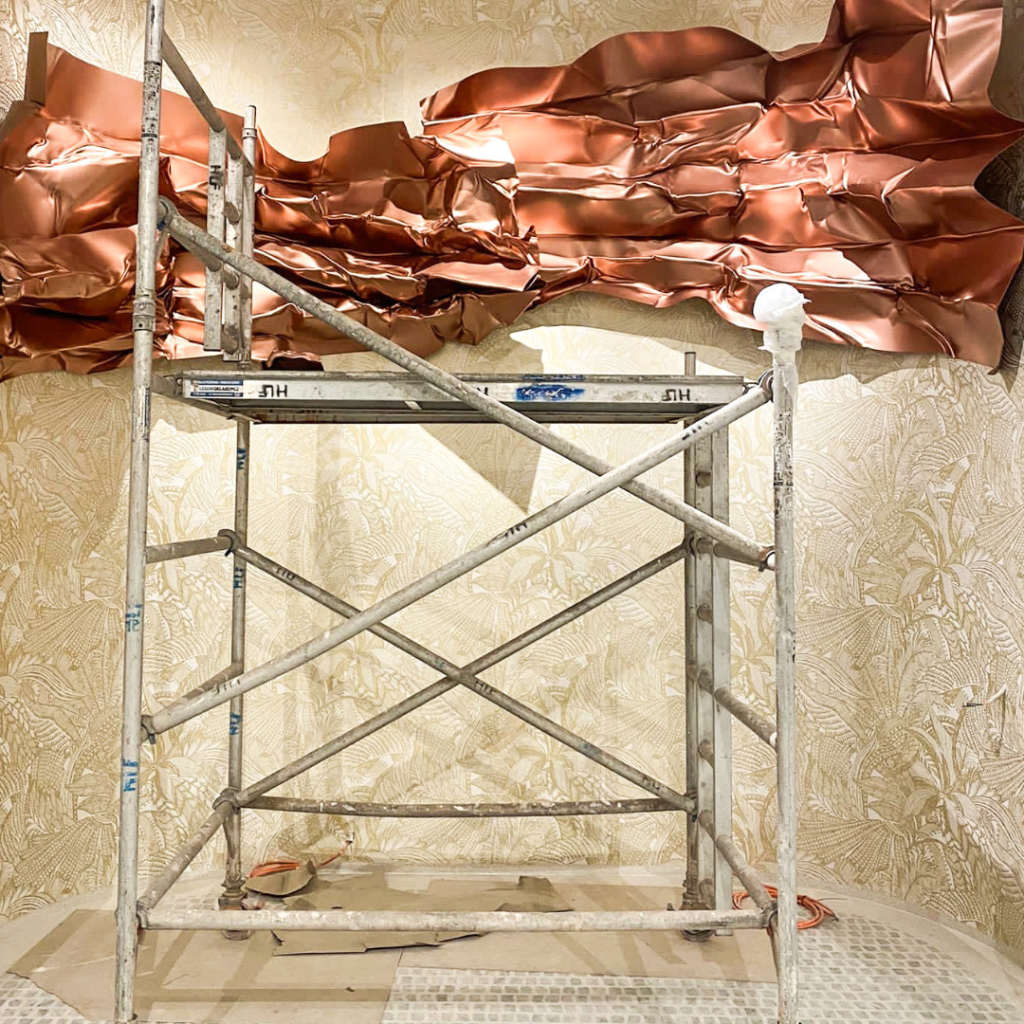
These works demonstrate why contemporary art in hospitality can do more than complete an interior. It can create orientation. It can deepen the sense of place. It can offer guests a reason to pause, look closer, and understand where they are through culture rather than design alone.
“The best part of revisiting Andaz Prague was seeing and experiencing the art collection all over again and how guests are enjoying it.” says Alexandra Schafer, Founder of VELVENOIR. “The team continues to share the myths and legends, guests can still follow the booklet, and the artworks continue to create a connection between the property and the city. That is when an art collection becomes part of the guest experience.”
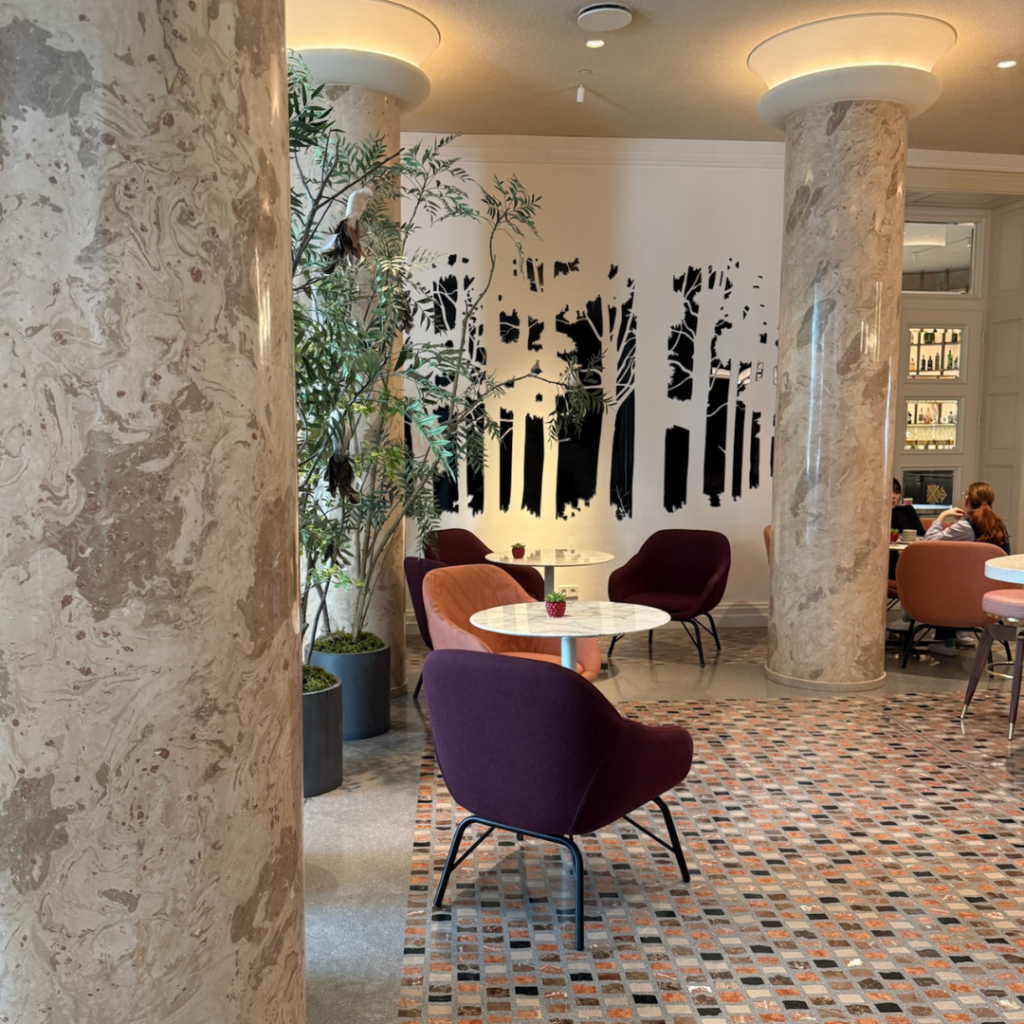
The accessory styling was an important extension of this same curatorial logic. Books, objects, textures, and selected details were used to build continuity between the artworks, the interiors, and the wider narrative. In hospitality, these elements matter. They support atmosphere, but they also help translate a concept into everyday touchpoints.
Andaz Prague continues to show how this can be done. The Walk of Myths does not ask every guest to understand every reference immediately. Instead, it creates opportunities for discovery. A guest may notice an artwork first, then read the booklet. Another may follow the tour intentionally. Someone else may hear a story from the team and begin to see the space differently.
This is what makes the project still relevant four years after handover. The art collection continues to operate as a cultural layer within the hotel. It connects contemporary art with local storytelling, artist commissions with guest experience, and hospitality design with a deeper sense of place.
For VELVENOIR, the project remains an important example of what happens when art consultancy is integrated from a curatorial, operational, and hospitality perspective. The result is not only a collection of individual artworks, but a structured art journey that guests can encounter across multiple touchpoints.
“The most valuable part of revisiting Andaz Prague was seeing that the art collection still functions as a living part of the hotel.”
Contact
info@velvenoir.com | +43/ 676 55 11 252