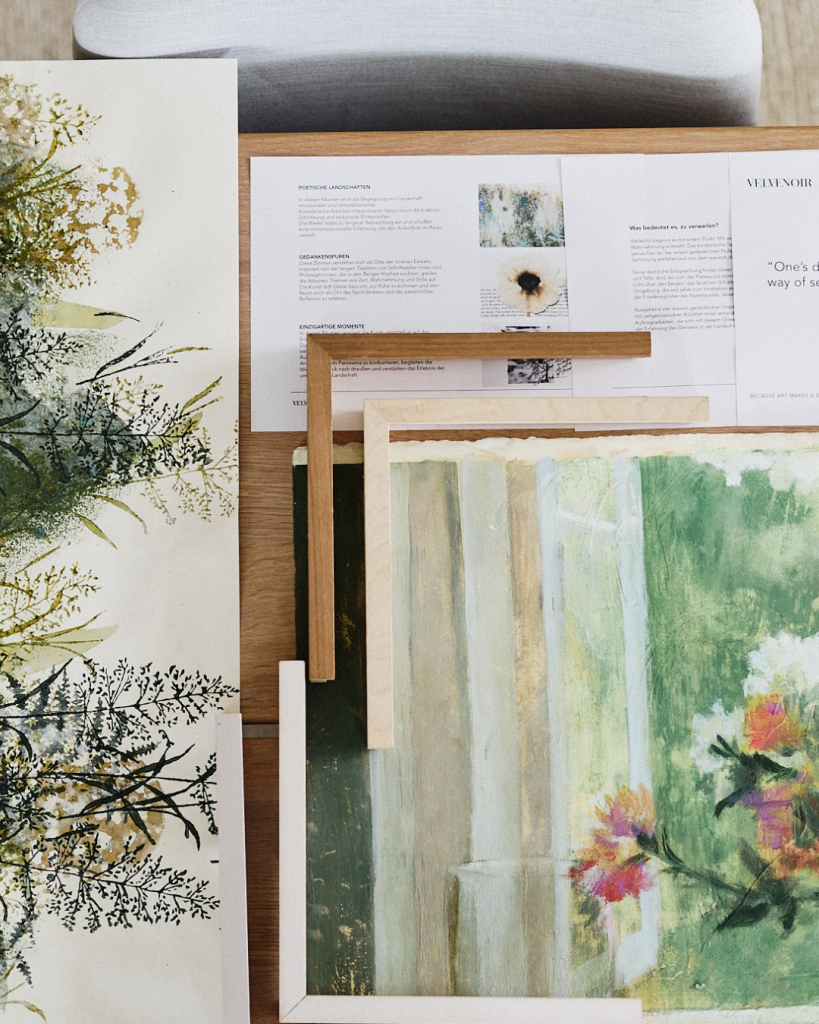
on instinct, hesitation, and the works collectors remember most
What makes a collector hesitate in front of one work and walk past another? When does attraction become conviction? And how do we know whether we are responding to the artwork itself, the gallery’s framing, the market around it, or something more personal that the work has quietly opened in us? These are questions we return to often when walking through fairs with collectors, because buying art is rarely only about taste. It is about timing, attention, knowledge, access, instinct, and the ability to recognise when an artwork has begun to mean something before it has become an acquisition.
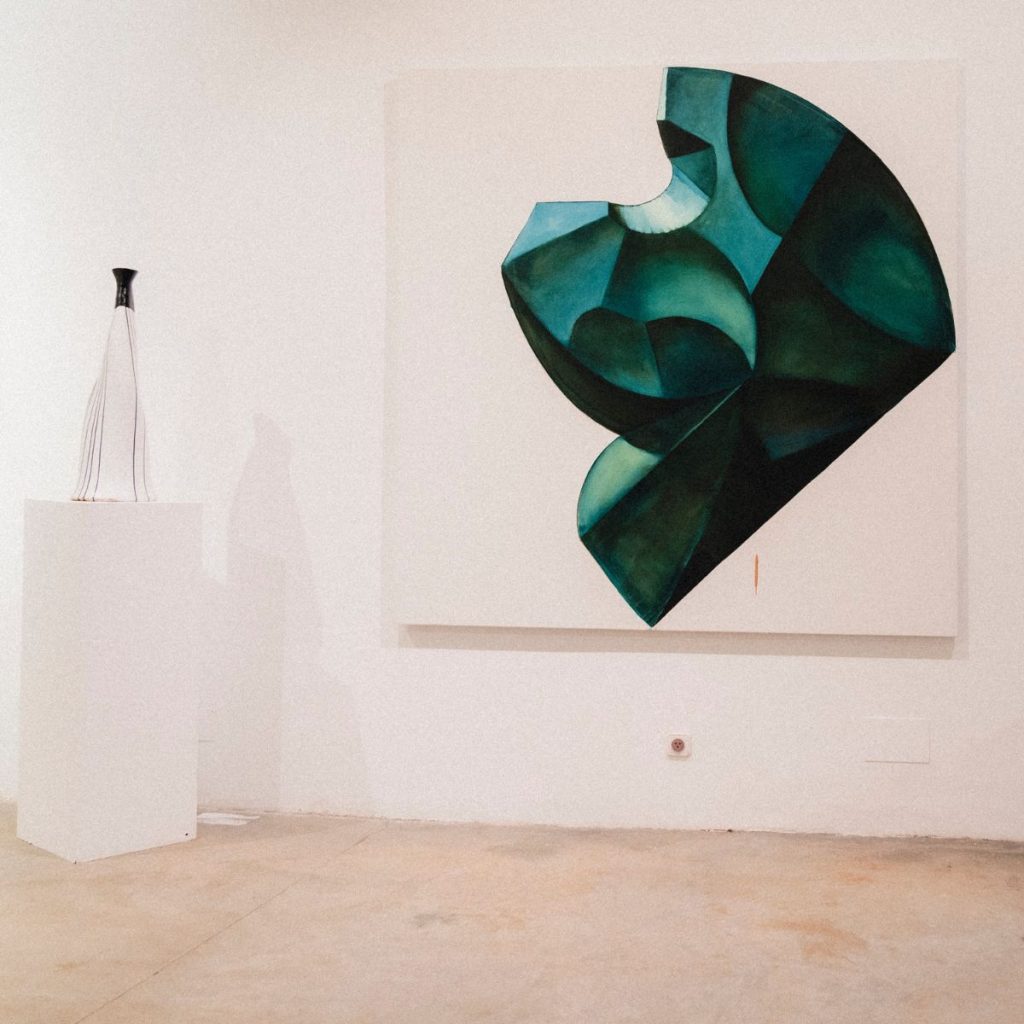
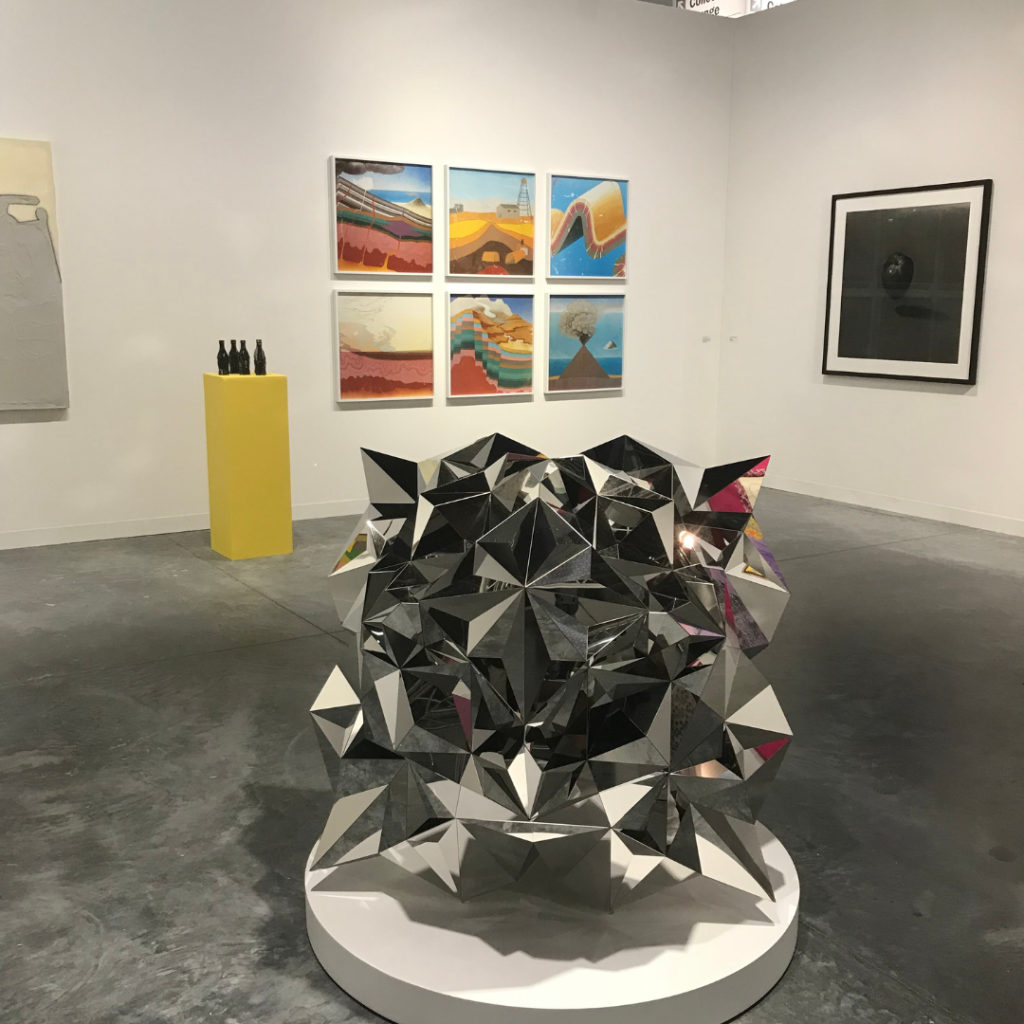
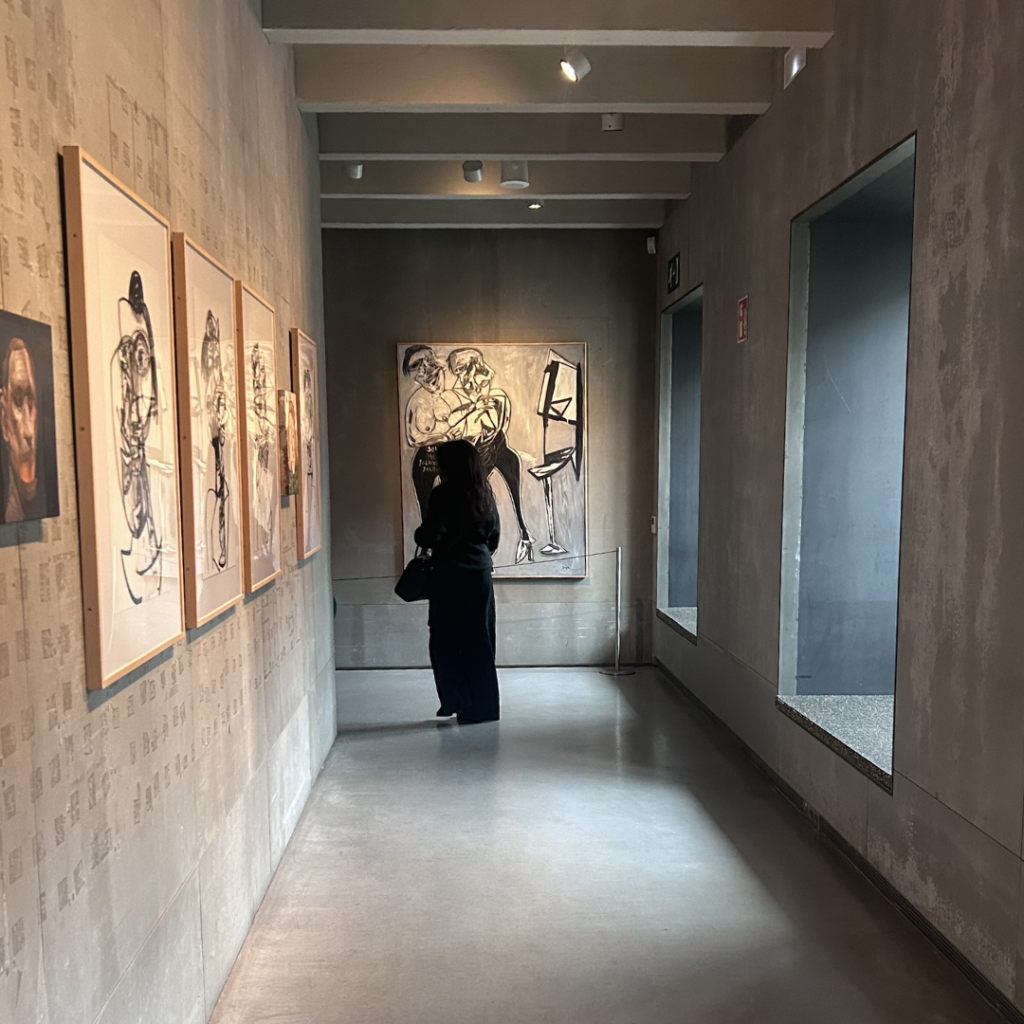
you begin to imagine where the artwork could live, how it might change a room, what memories it brings forward, what kind of dialogue it could begin within your home or collection.
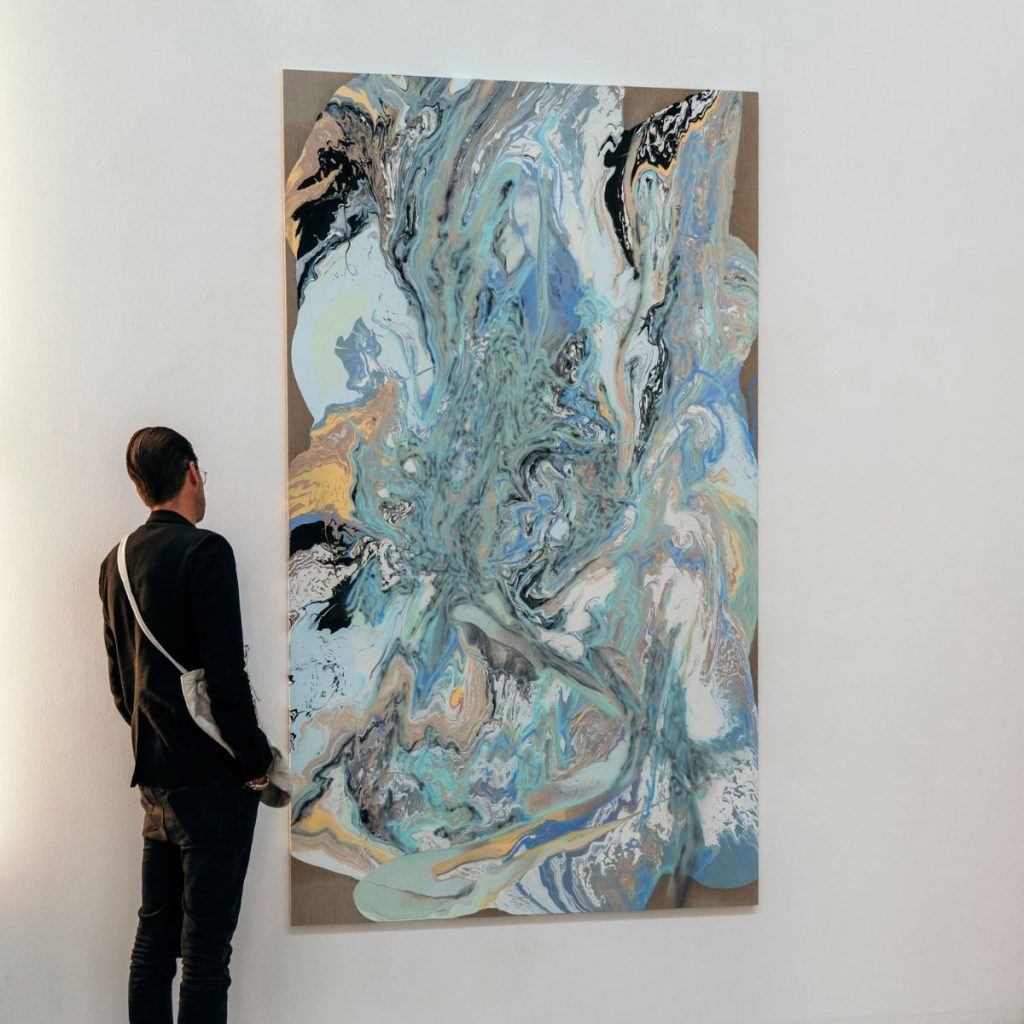
What makes a collector walk away from a work, only to think about it for years afterwards? When does hesitation become protection, and when does it become the beginning of regret? And how often do we only understand the importance of an artwork once it is no longer available? At VELVENOIR, we have seen this moment many times. A collector stands in front of a work at a fair, a gallery, or during a private preview. At first, they are simply looking. Then something changes. The conversation becomes more personal. They begin to imagine where the artwork could live, how it might change a room, what memories it brings forward, what kind of dialogue it could begin within their home or collection. They step closer, walk away, return, ask questions, and then pause. Sometimes the pause is wise. Sometimes it is necessary. And sometimes, by the next morning, the work has sold.
This is one of the truths of collecting: the works collectors remember most are not always the works they acquire. Sometimes they are the ones they almost bought. The painting they returned to several times and still left behind. The photograph that felt too intimate in the moment. The sculpture that seemed just beyond the budget. The work they wanted to think about for one more night, only to learn that another collector had already made the decision.
Art fairs intensify this experience. Hundreds of galleries, thousands of artworks, conversations happening in every direction, and the subtle awareness that strong works often move quickly. For collectors, this can create a difficult tension. No one wants to make a rushed decision simply because the environment feels urgent. At the same time, the art market does not always wait for perfect certainty. The strongest collecting decisions often sit somewhere between knowledge and instinct, between due diligence and the ability to recognise when a work has already begun to matter.
At VELVENOIR, we often speak with collectors about the difference between admiration and connection. Admiration can happen quickly. You recognise quality, beauty, technique, composition, reputation, or market relevance. Connection is different. It follows you after you leave the booth. It changes how you look at the next work. It keeps appearing in conversation. You compare other pieces to it without fully realising. You imagine it in your life, not as an object, but as part of the atmosphere, memory, and identity of a space.
One private collector once told us after a fair that she could barely remember half of the works she had photographed, but she could still describe in detail the one she had not bought. The scale, the colour, the feeling it gave her, the exact wall where she imagined it would hang. That is often the clearest sign that something has gone beyond visual interest. The work has entered the collector’s inner world, even if it never entered her personal art collection.
This does not mean every artwork that moves us should be purchased. Some encounters remain meaningful precisely because they remain encounters. They sharpen the eye. They clarify taste. They teach a collector something about material, scale, subject, emotion, or risk. But when a work keeps returning to your thoughts, it deserves attention. Not pressure, but attention. Why this work? Why now? What did it open? What did it make visible in your own way of looking?
Adam Lindemann, collector, writer, and author of Collecting Contemporary Art, approaches collecting as a layered practice shaped by taste, access, timing, market awareness, and personal conviction. Katy Hessel, art historian, broadcaster, and author of The Story of Art Without Men, has helped reframe how we look at art history by asking whose work is seen, remembered, and revalued.
Together, their perspectives open an important conversation around collecting. Lindemann, in his conversations around contemporary art, has often pointed to the complex psychology behind collecting: the mixture of desire, strategy, status, curiosity, and conviction. Hessel’s work reminds a wider audience that the art world is shaped by what we choose to look at, remember, and revalue.
Both perspectives are useful here because the artwork that got away is rarely only about loss. More often, it reveals how a collector’s eye is forming. It shows where instinct was already ahead of certainty.
“It reveals the difference between liking something in the moment and recognising, sometimes too late, that an artwork had already become part of your story.” says Alexandra Schafer “It reveals the difference between liking something in the moment and recognising, sometimes too late, that an artwork had already become part of your story.”
This is why we encourage collectors to take their own response seriously. Not blindly, not without research, and never without understanding the artist’s practice, provenance, condition, pricing, and context. But seriously. Because collecting is not built through analysis alone. A meaningful collection needs knowledge, structure, access, and patience. It also needs the courage to recognise when a work has touched something personal.
Years later, collectors rarely speak with the most emotion about the works that simply fulfilled every criterion. They speak about the ones that stopped them. The ones they kept returning to. The ones they hesitated over. The ones that disappeared before they were ready to decide.
Almost every collector has one. The artwork they walked away from. The piece they still remember. The one that taught them something about timing, instinct, desire, and the kind of collection they truly wanted to build.