On art collecting as a self-portrait, a journey, and a way of recognising oneself through art
What happens when you walk through your own home and begin to notice that the artworks have been telling a story long before you gave it a title?
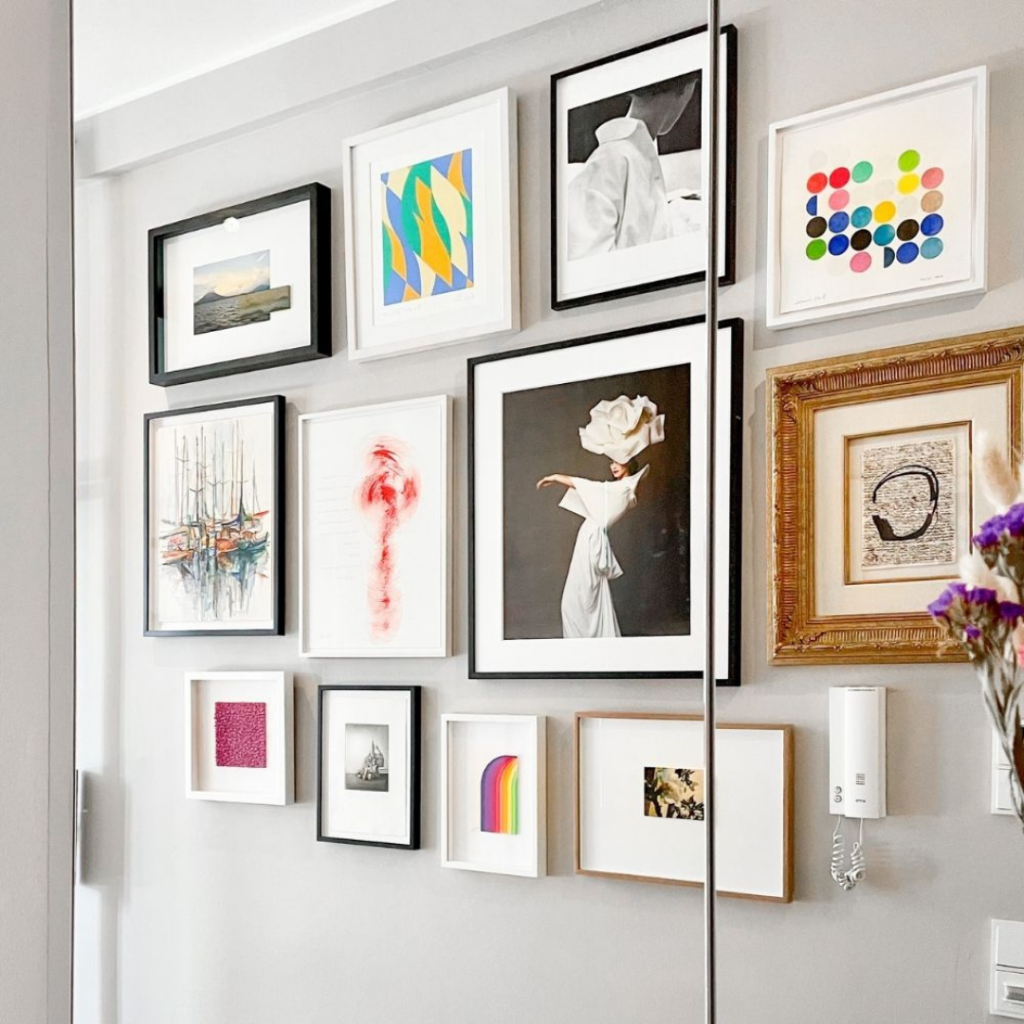
A landscape that appears again in different forms. A work on paper chosen years apart from another, yet holding the same quiet attention. A ceramic piece acquired after a studio visit. A painting inherited from the family, placed beside a contemporary artwork that suddenly changes how both works are seen. At first, every acquisition may have felt separate. One decision in Hamburg. One discovery in Basel. One conversation in New York. One work selected for a villa in Zadar. Yet slowly, a collection begins to reveal its inner logic.
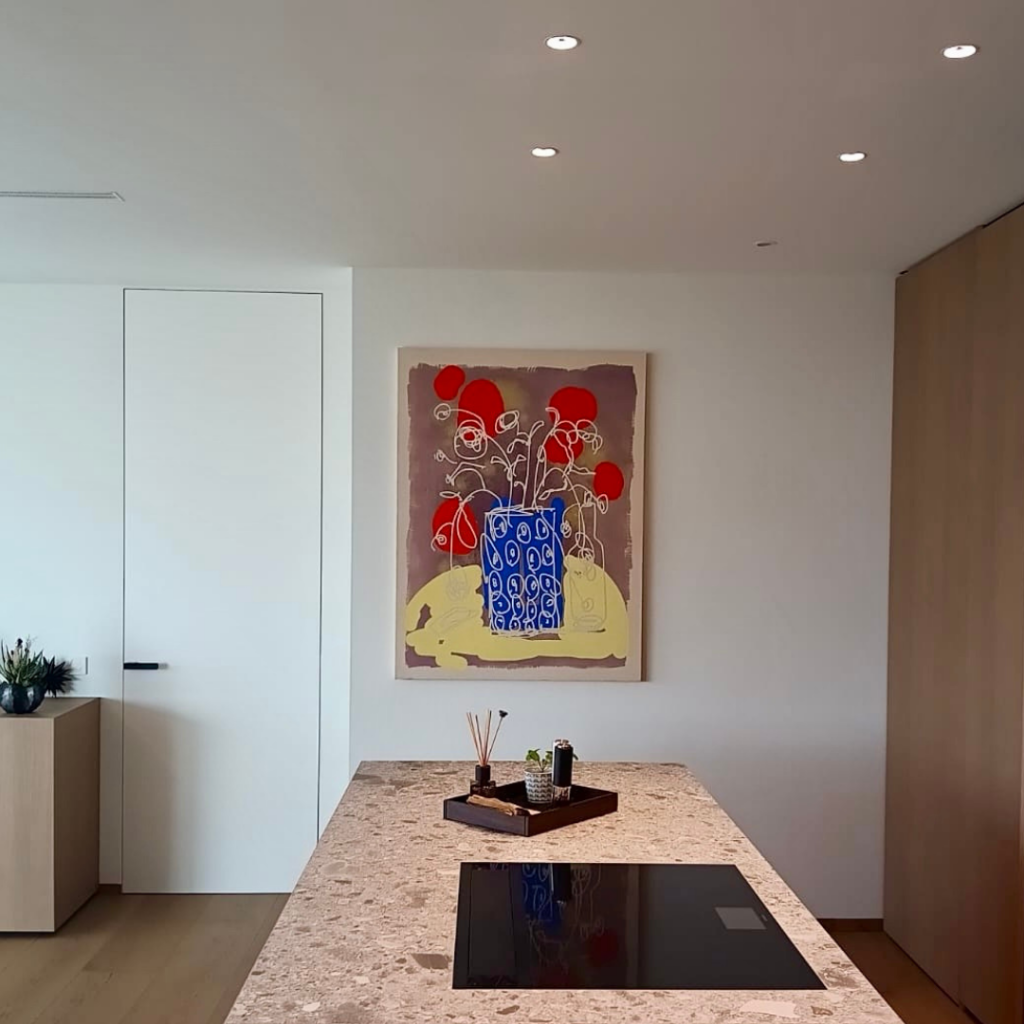
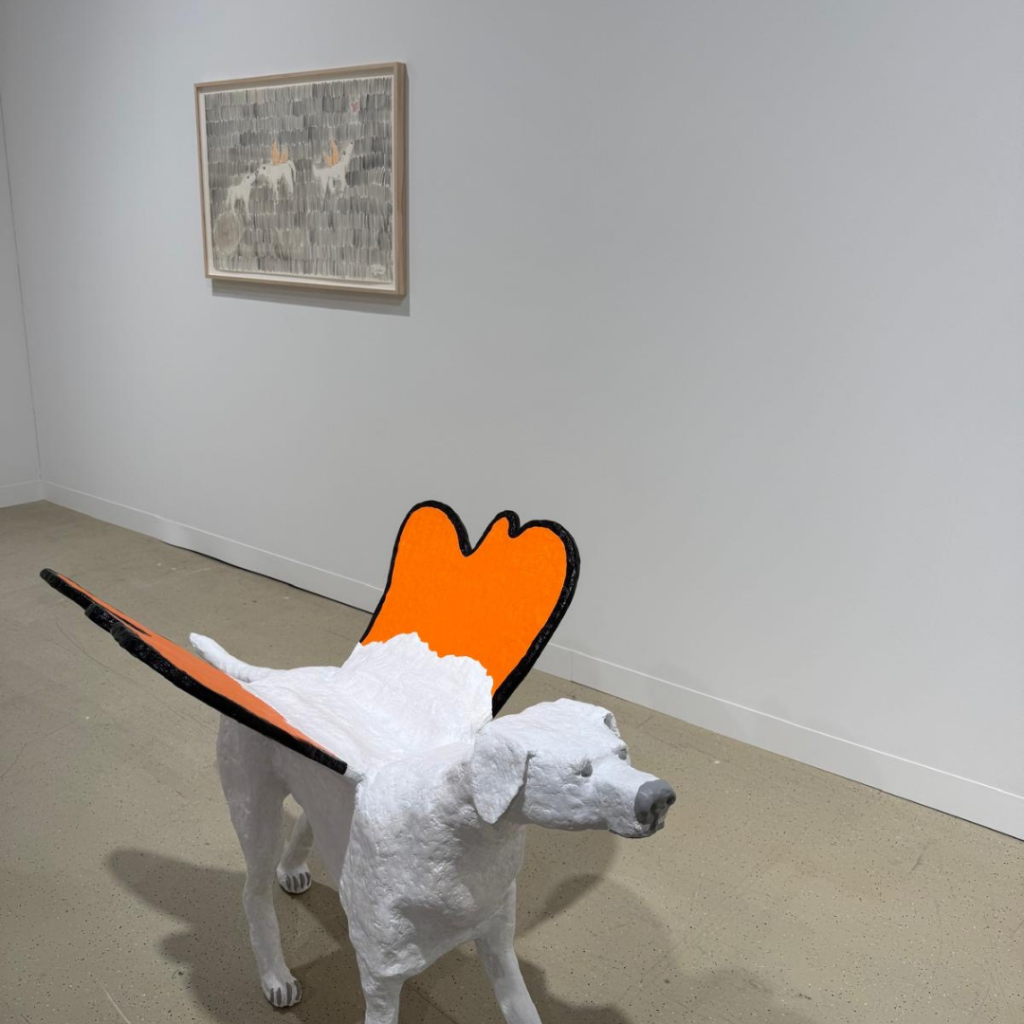
Life is pure adventure” and invited us to “treat life as art.” - Maya Angelou
It shows where the eye returns. It shows what the hand wants to touch, what the mind wants to question, what kind of material one trusts, what kind of silence feels necessary in a room. It shows whether a person is drawn to memory, landscape, craft, abstraction, architecture, cultural history, tenderness, tension, clarity, fragility or risk.
Maya Angelou wrote that “Life is pure adventure” and invited us to “treat life as art.” The thought belongs deeply to collecting. A collection cannot be built only from expectation. It asks the collector to remain awake to what appears unexpectedly: the work that slows the pace at an art fair, the artist whose practice opens a new field of thought, the object that does not fit the original brief but feels impossible to dismiss.
The history of collecting is full of these forms of self-recognition. Peggy Guggenheim’s collection in Venice is not only a record of modern art; it is also a portrait of a woman who gathered artists, friendships, risks and convictions around her. The Heidi Horten Collection in Vienna carries another kind of legacy: a private collection given a public setting, where personal taste enters cultural memory. In both cases, the collection becomes more than ownership. It becomes a visible record of attention.
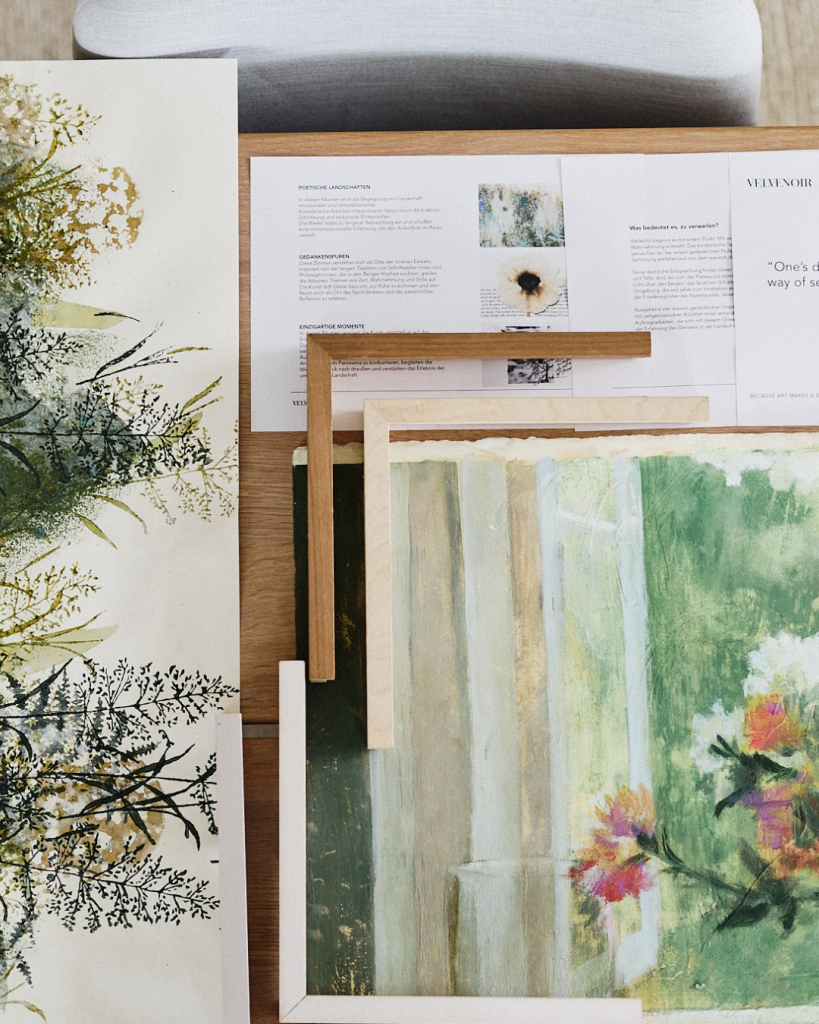
For us at VELVENOIR, this is where our art advisory process truly begins…Not with the wall. Not with the floor plan. Not with the question of what fits. We begin by listening. We look at what is already present, what has been inherited, what has travelled with a family over time. We ask which works are still speaking, which ones feel unresolved, which rooms are asking for another layer, and which interests continue to return in conversation. Sometimes collectors already know what they are drawn to. More often, they discover it while looking.
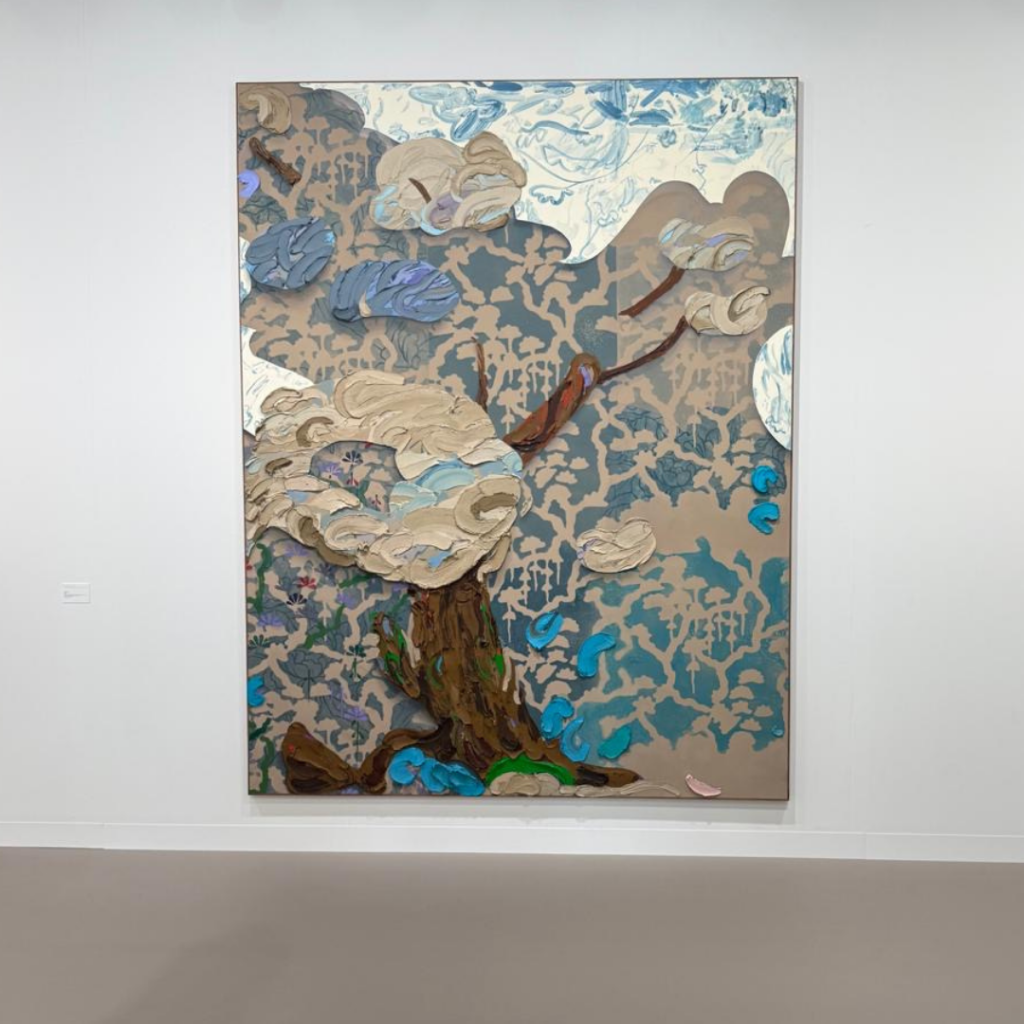
In Hamburg, this became part of the collection journey. The couple had inherited works with their own personal and cultural history. Our role was not to overwrite that history with contemporary art, but to give it space. We walked through the existing collection, listened to the stories behind the works, and began to understand what could enter next. Then, through visits to Art Basel, gallery conversations and artist research, we introduced contemporary positions that could stand beside the inherited works without imitating them.
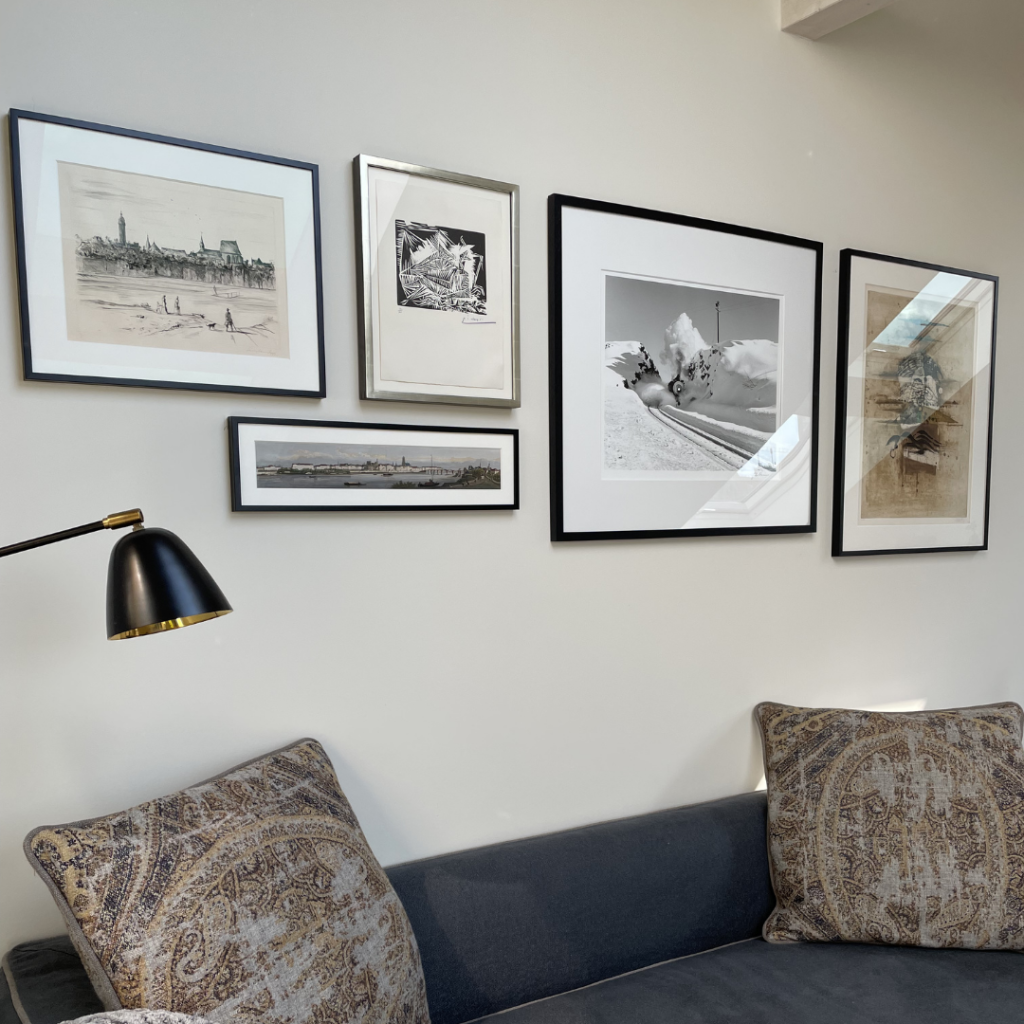
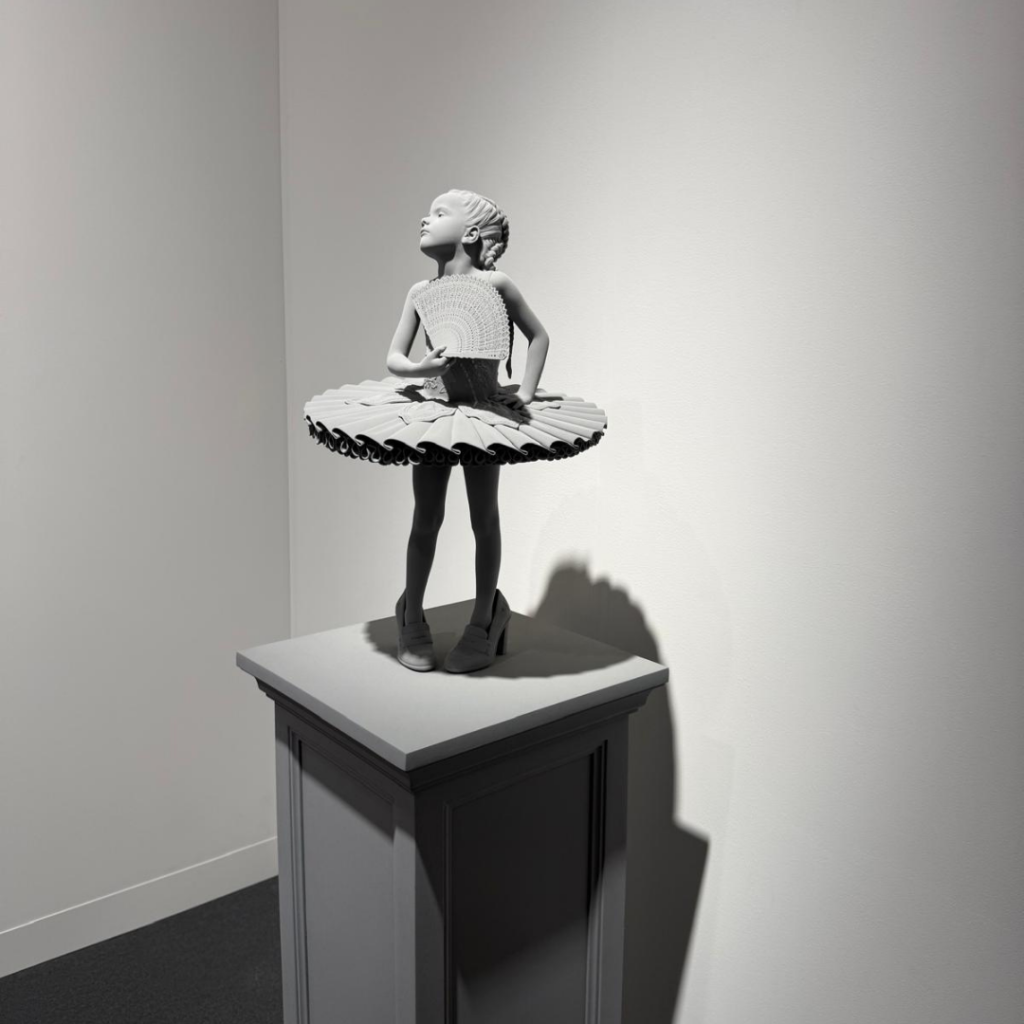
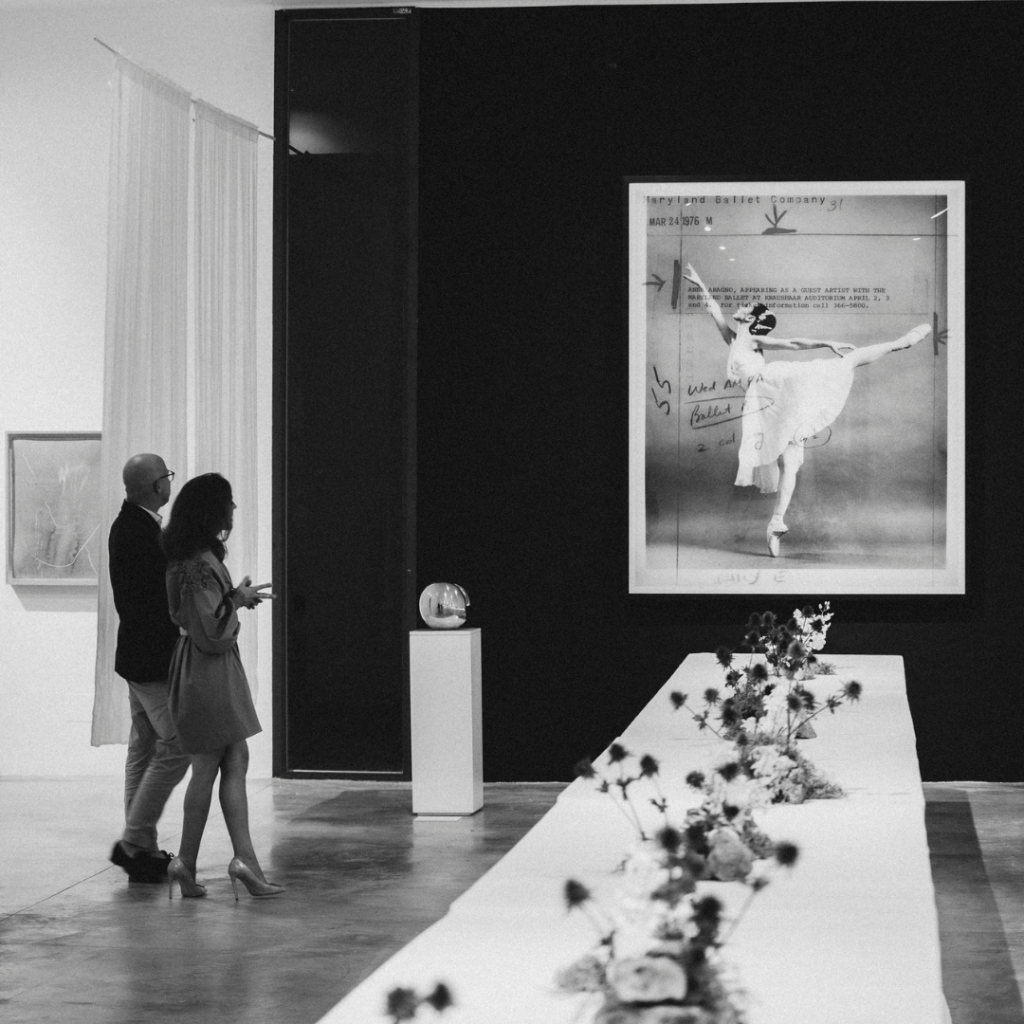
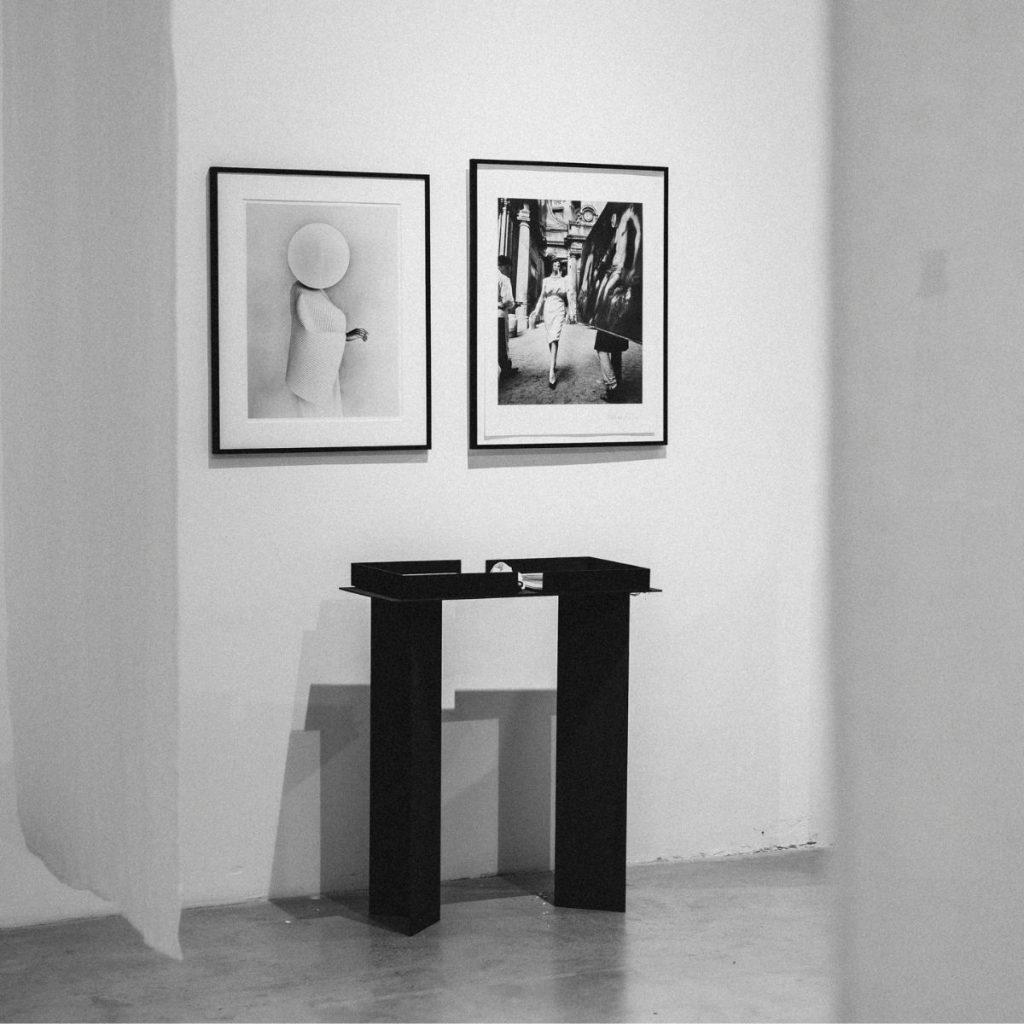
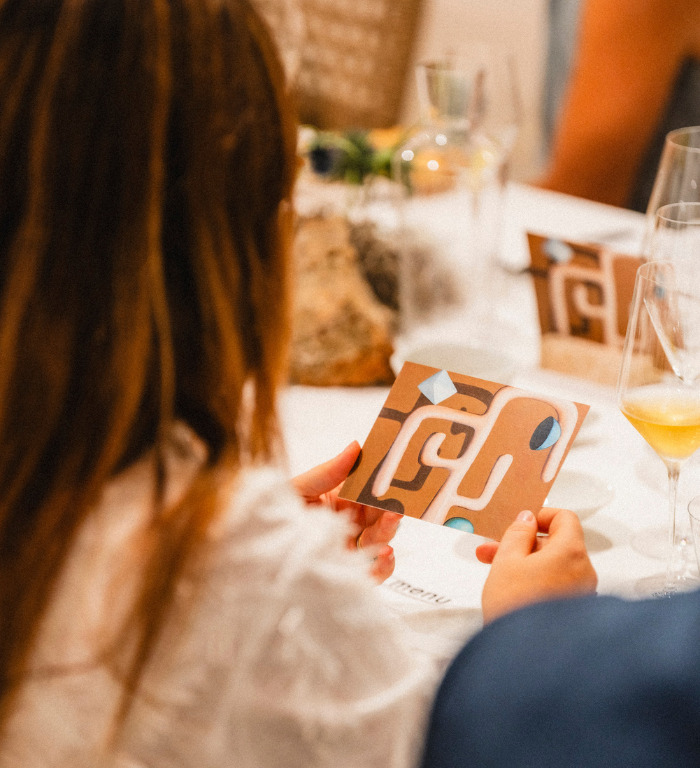
The fair visit was not treated as a search for something to buy quickly. It became a way of training attention. Which works made the collectors stop? Which materials opened conversation? Which artists created a connection between both of them? Which pieces felt interesting, but not right for their story? These moments matter. They tell us as much as the final acquisition.
In New York, the collection unfolded from another place entirely. The residence was shaped by sustainability, circular living and wellbeing, so the art could not be treated as a separate aesthetic layer. It had to carry the same awareness. We looked for works that could speak to material knowledge, land, memory and cultural continuity. As part of the collection, Aboriginal art entered the home, bringing a deeper relationship to place, heritage and the natural world.
Here, collecting became a question of alignment. What do you choose to live with when your home already reflects what you believe in? Which artists can expand that conversation without being reduced to atmosphere? How can a collection hold cultural responsibility as well as visual presence?
In Zadar, the setting asked for another response. A villa close to the Croatian coast, shaped by architecture, light, stone and horizon, did not need artworks that described the sea. It needed works that could enter the house with enough presence to meet the architecture, and enough restraint to let the place breathe. The collection became a way of asking how one wants to live near a landscape. What should the rooms gather? What should remain quiet? What should be felt before it is explained?
Across these different journeys, collecting becomes less about building a set of objects and more about forming a visual autobiography. It gathers what a person has noticed, inherited, questioned, protected and chosen. It records the galleries entered, the artists met, the fairs visited, the works considered and the ones left behind. It shows where a collector allowed something unexpected to enter.
“A collection becomes meaningful when it reflects more than preference,” says Alexandra Schafer, founder of VELVENOIR. “It reveals how someone sees, what they value, what they are willing to live with, and what they are still becoming.”
Perhaps this is why the most personal collections are not always the most seamless ones. They allow contrast. They hold inherited memory beside contemporary thought. They bring together different geographies, materials and chapters of life. Hamburg, New York, Zadar, Basel — not as destinations, but as points in a larger story of looking.
So the next time an artwork draws you closer, perhaps the question is not only whether it fits the room or belongs to the collection.
Perhaps the deeper question is: what part of your story has already recognised itself in this work?