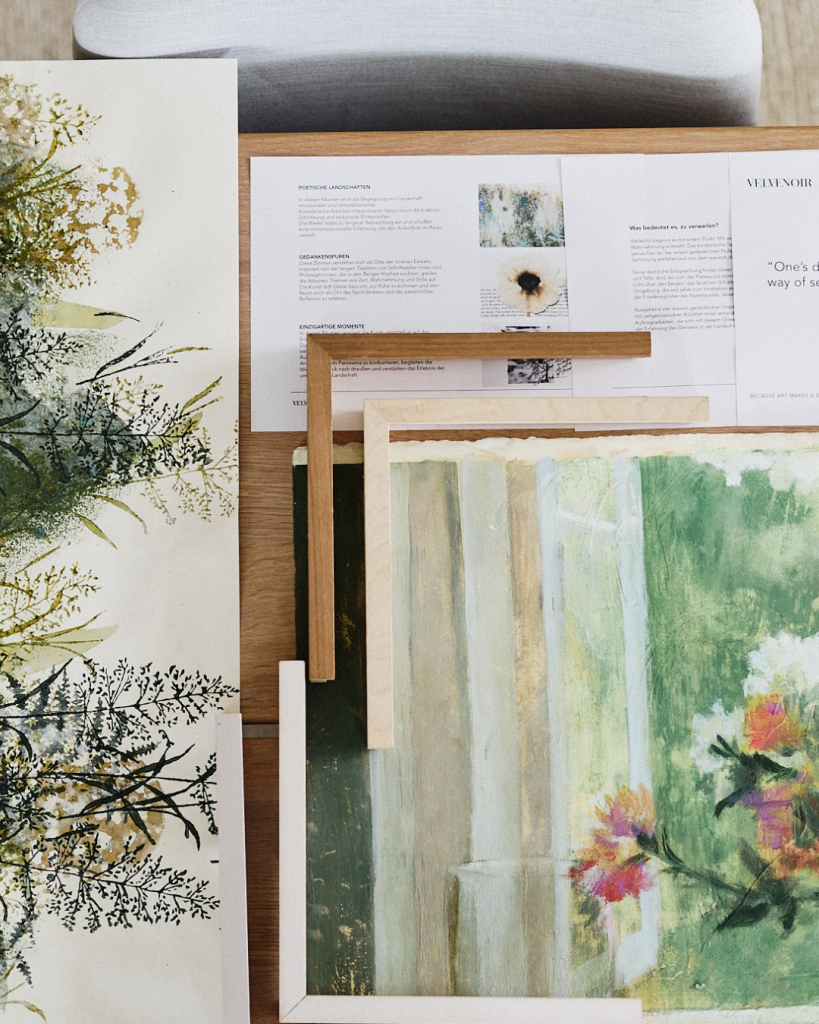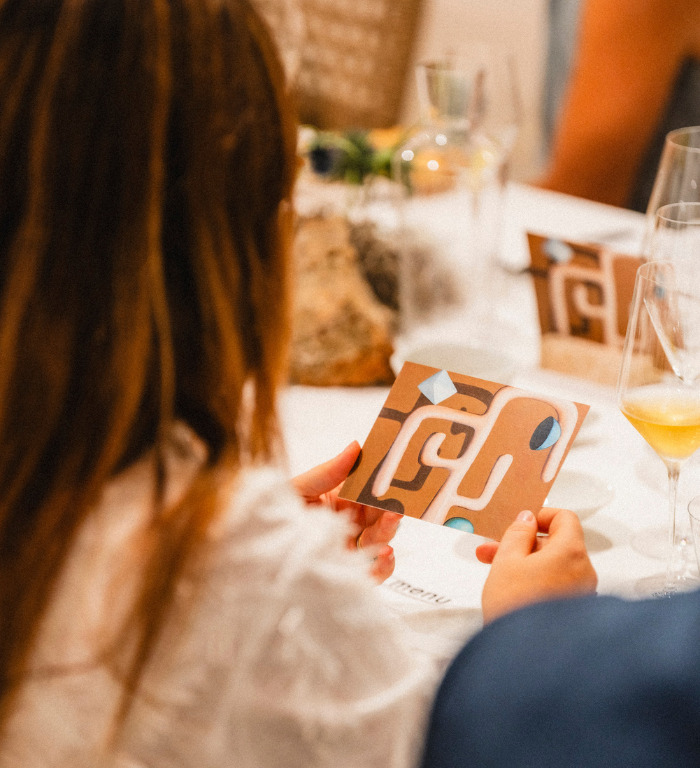
Have you ever asked yourself, what makes a guest room or suite make you feel like home ?
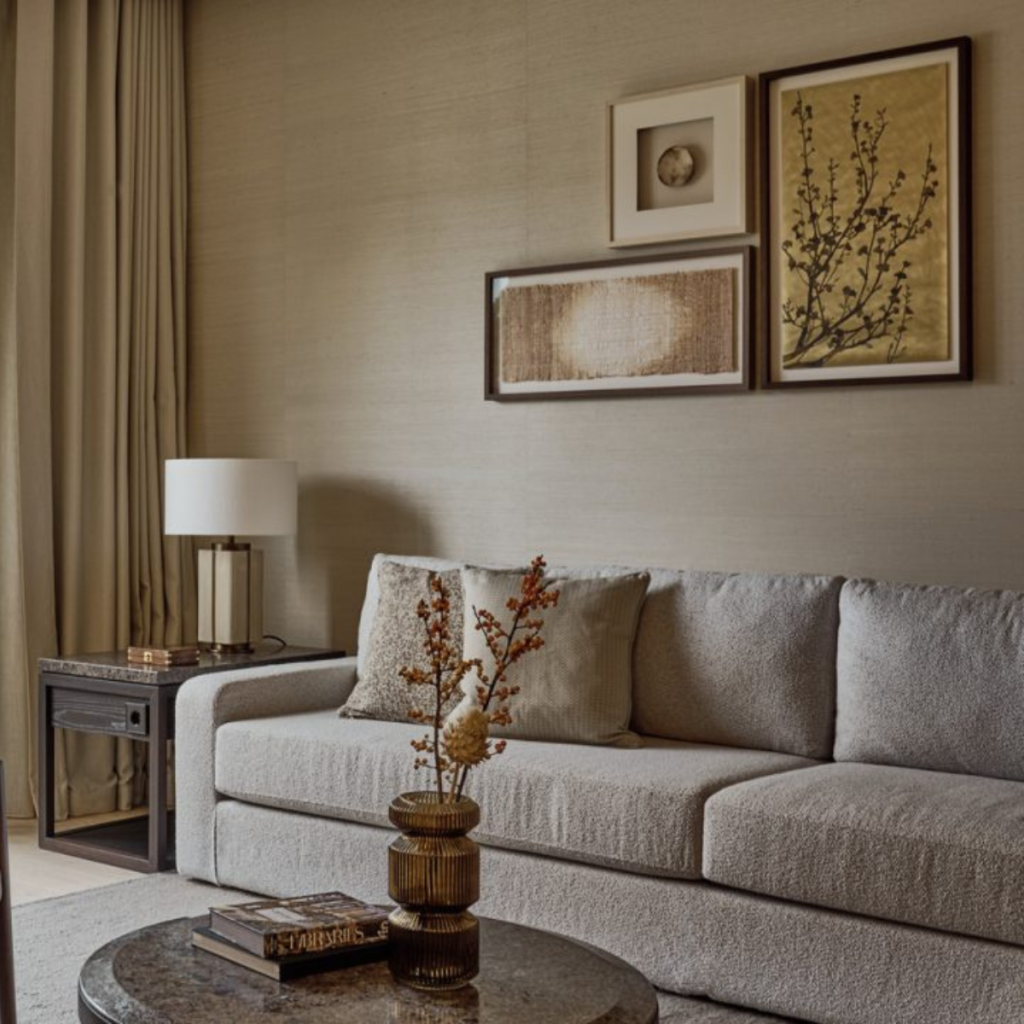
There is a particular quality certain spaces carry, one that is difficult to define, yet immediately felt. It is not created through scale, nor through materials alone, but through how a place allows you to settle. To arrive, not only physically, but mentally. In hospitality, this distinction becomes essential. A guest room is not only a place to stay, but a place to return to, even if only for a short time.
The projects that have a lasting impact are those where art is considered in dialogue with the interior from the beginning. Not as an addition, but as something that expands the space beyond its physical boundaries. When approached in this way, art introduces a different layer of experience, one that unfolds over time, through repeated encounters. Guests do not engage with artworks in a single moment. They pass them, return to them, see them in different light, in different states of mind. This repetition creates familiarity, and with it, a sense of connection.
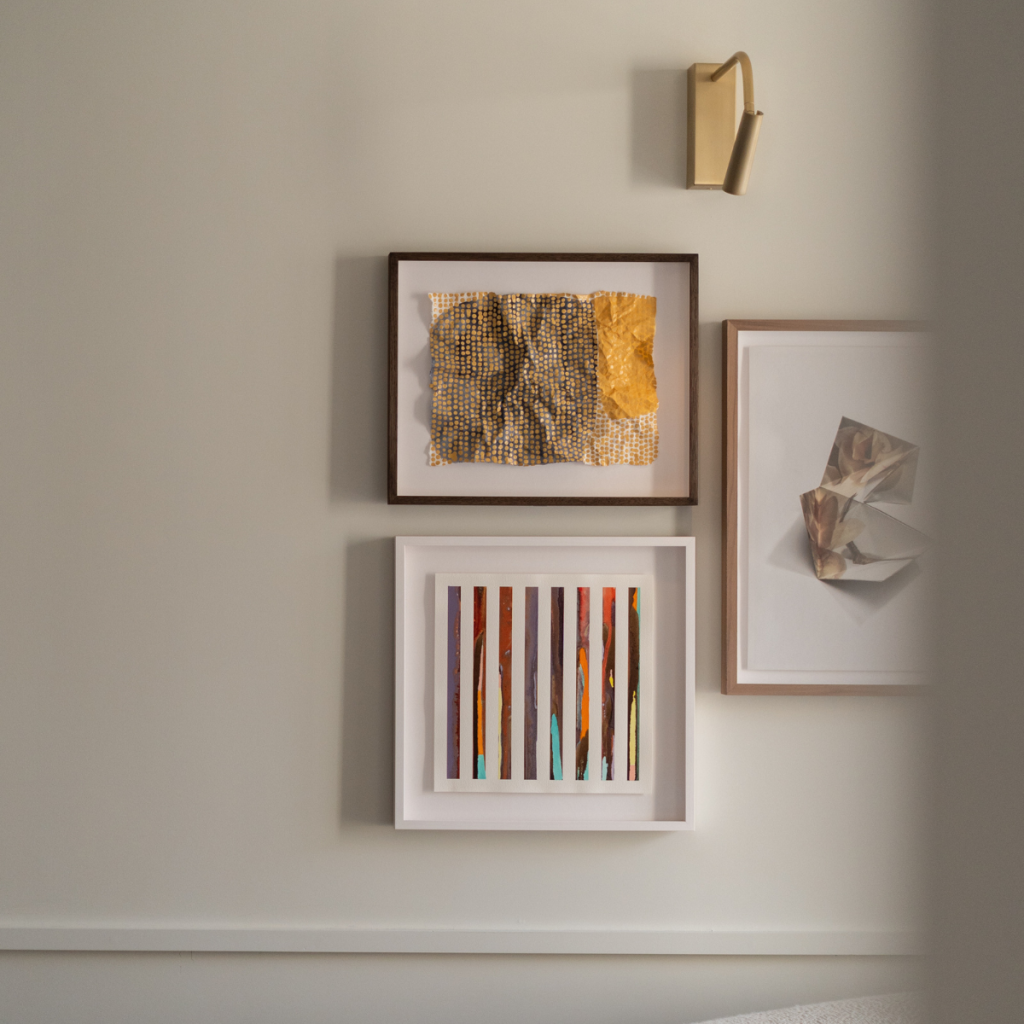
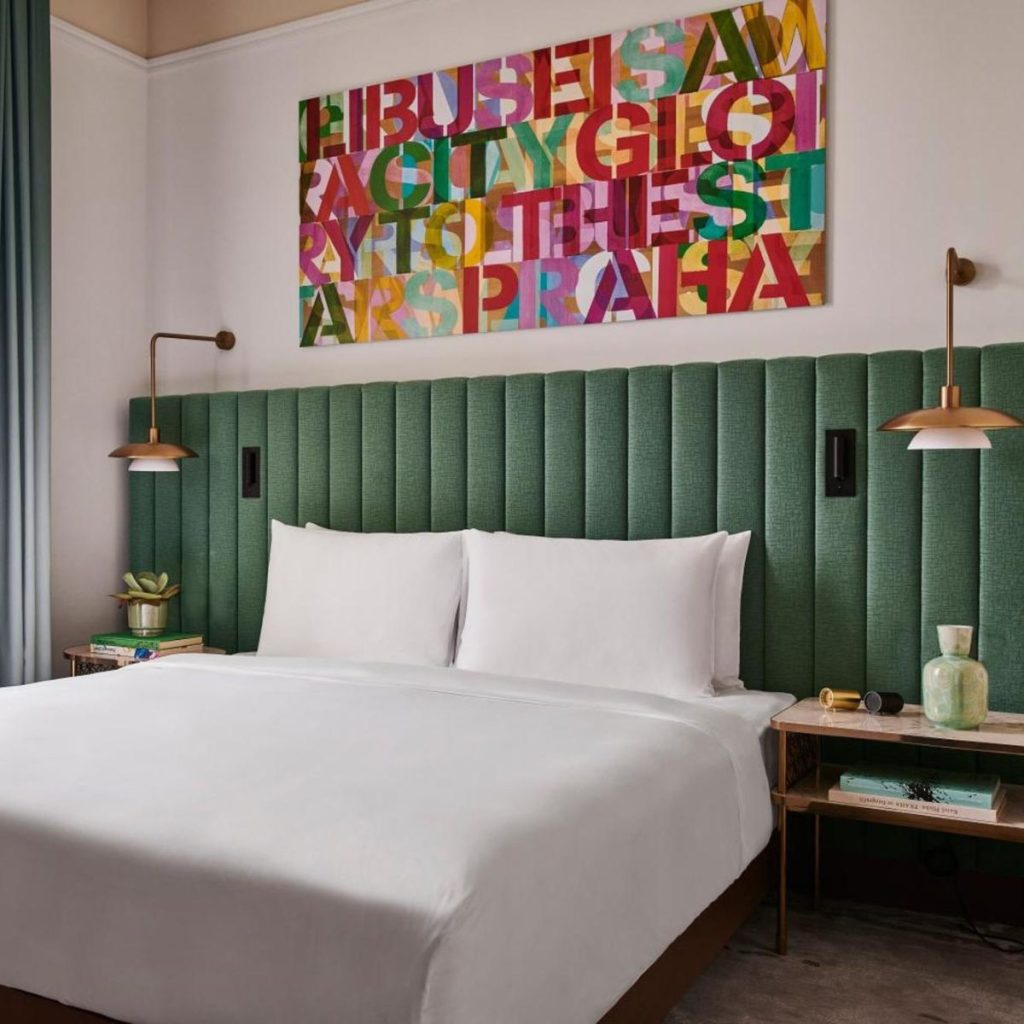
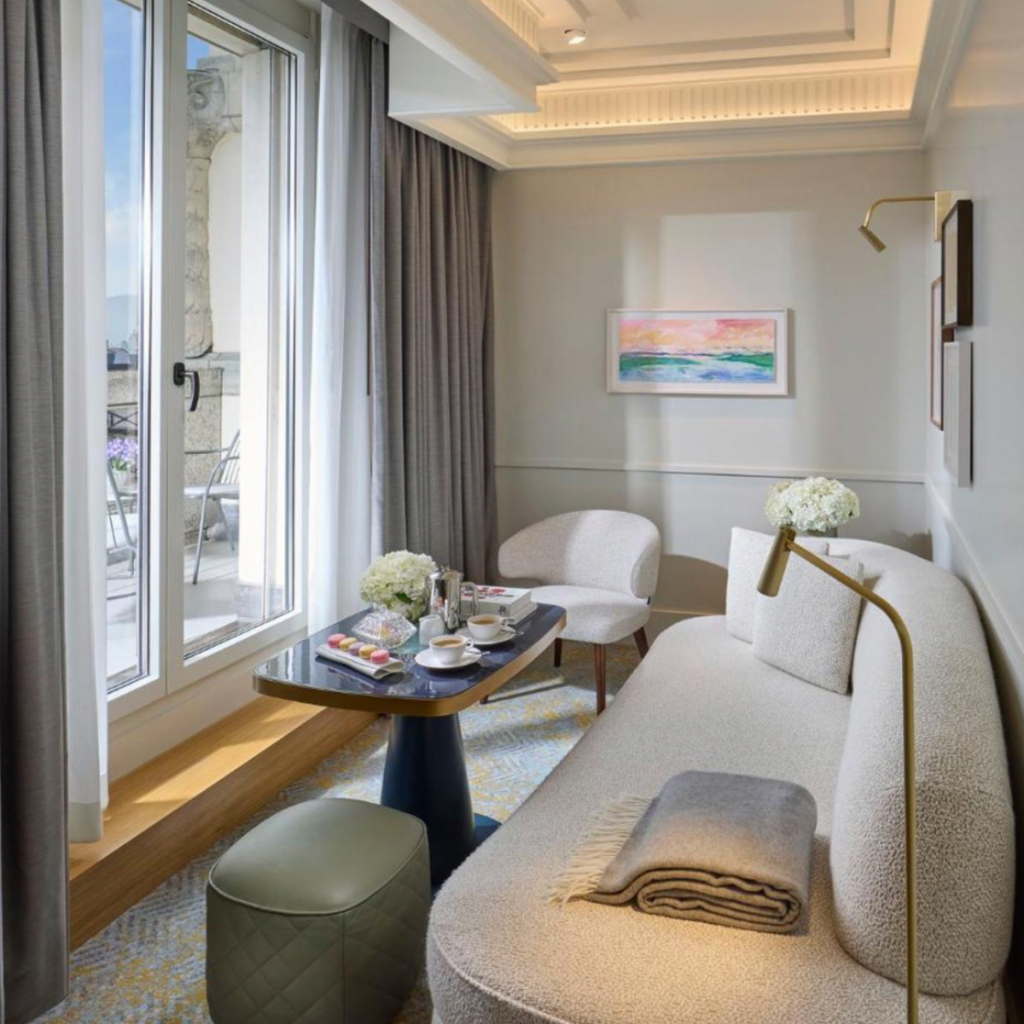
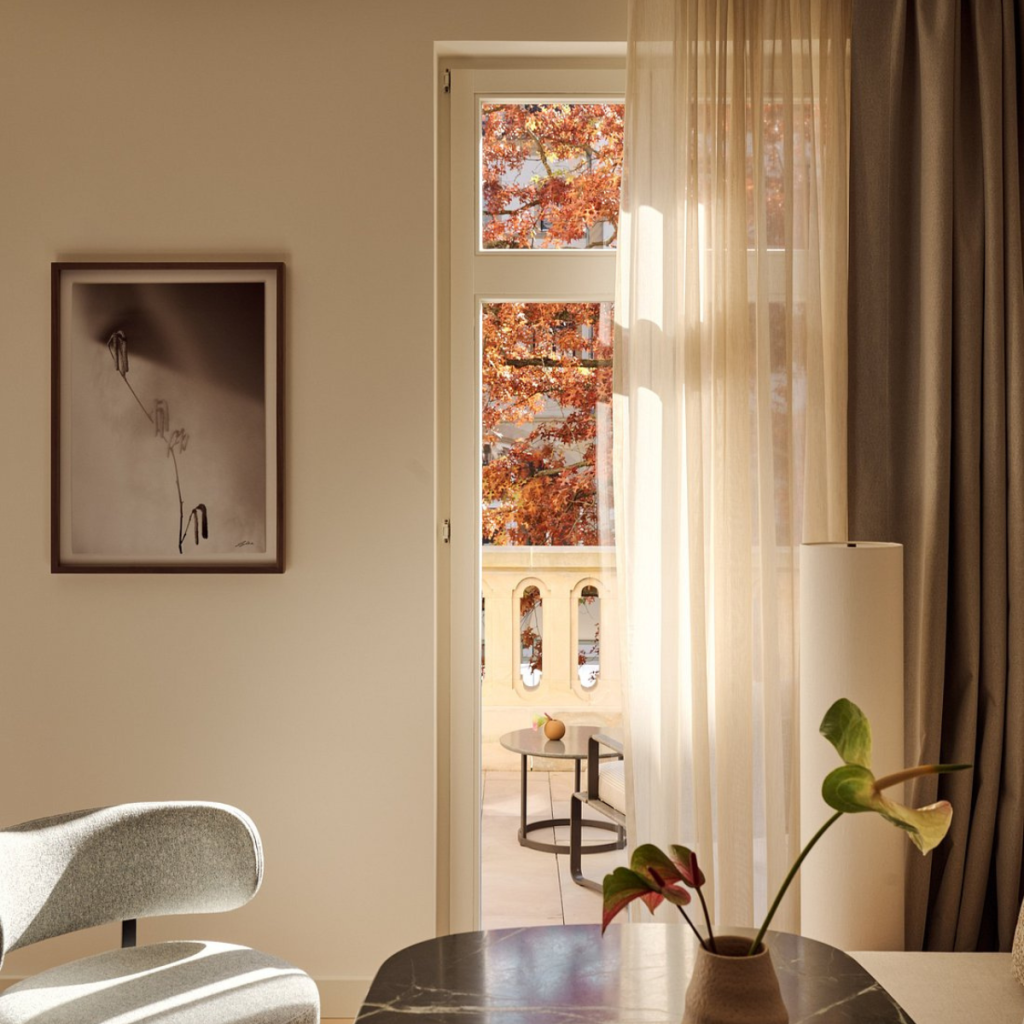
This approach also allows for something more dynamic.
Guests tend to spend more time in spaces where art invites engagement without demanding it. A work that does not resolve immediately encourages a second look. A series of works across a corridor creates continuity, guiding movement without directing it. In guest rooms, placing original artworks rather than reproductions introduces a level of depth that cannot be replicated. The space begins to hold attention in a quieter way.
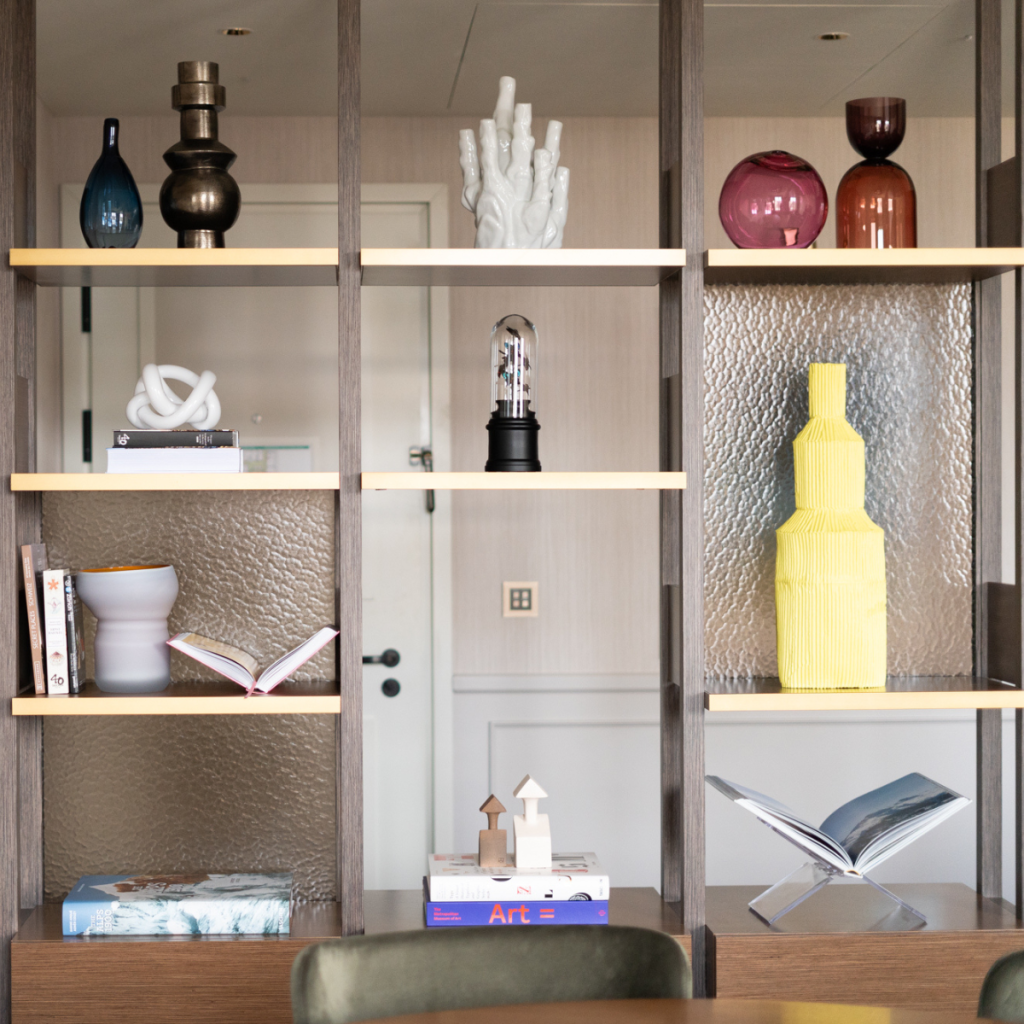
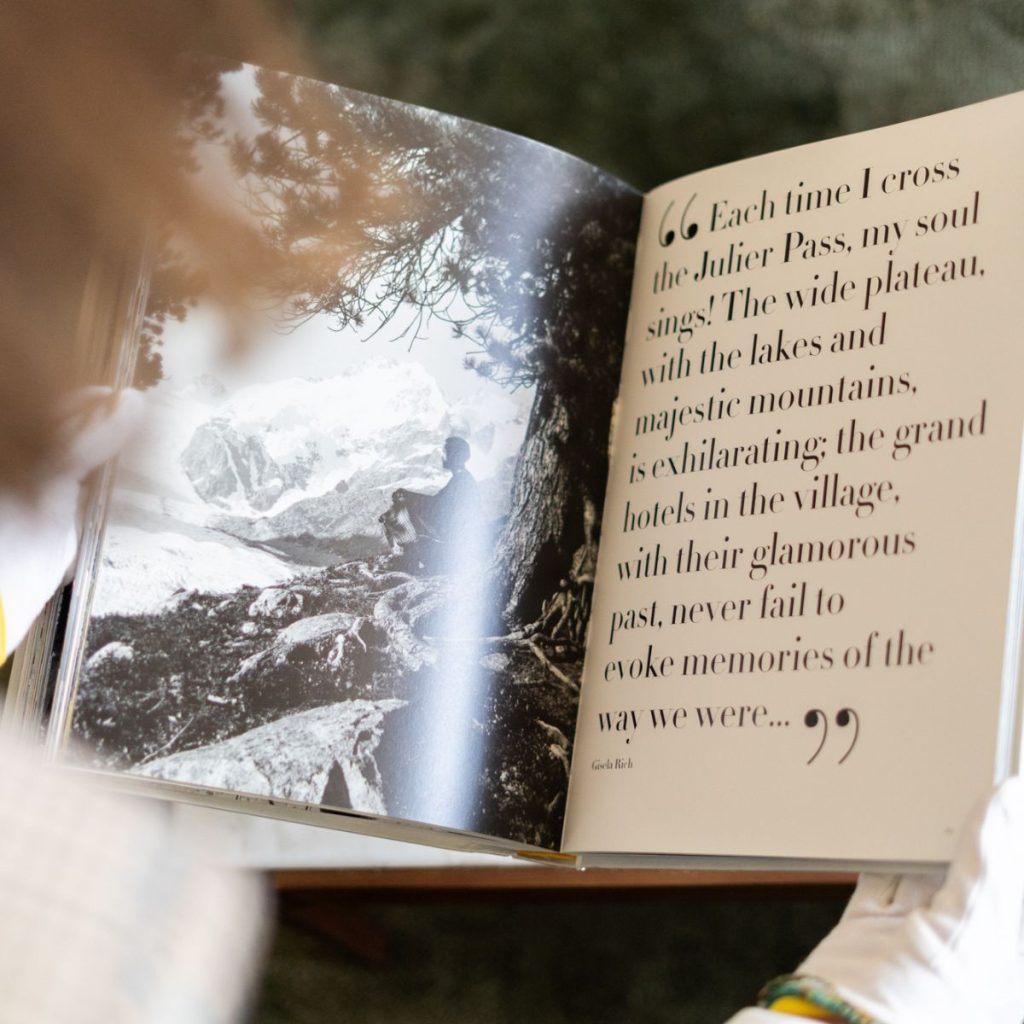
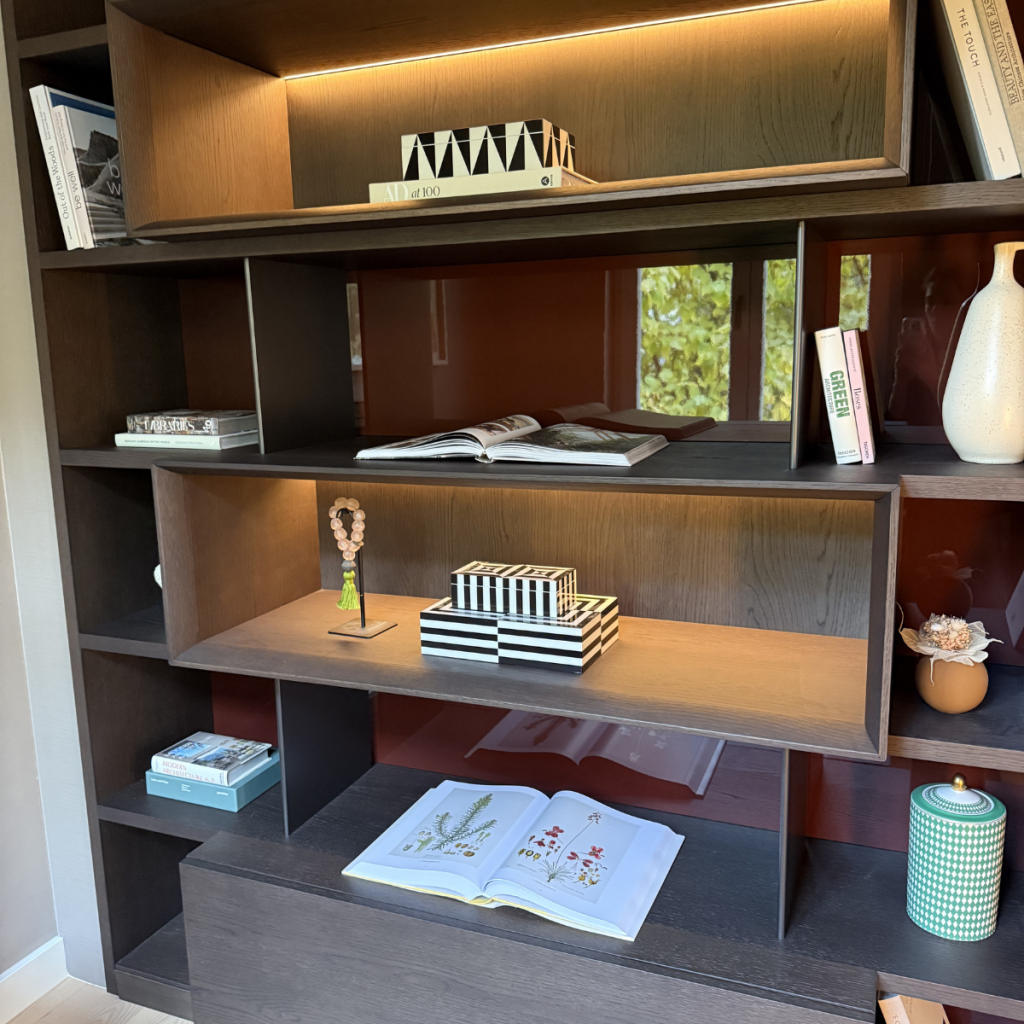
We’ve come to understand that art alone does not create a lasting experience. It is the relationship between the artwork and its surroundings that defines how a space is felt. When each element is considered in dialogue with the art, the space begins to shift. This is where our work moves beyond curation and procurement into styling, approached as a natural extension of the curatorial process. Objects, books, and everyday elements are selected with the same care, allowing the collection to unfold within the space.
In many of our projects, we work across different room categories, introducing variations within the collection. A suite may carry a different narrative than a standard guest room. Works are not repeated uniformly, but curated in a way that invites discovery. Returning guests encounter something new. The hotel becomes a place of ongoing experience rather than a fixed composition.
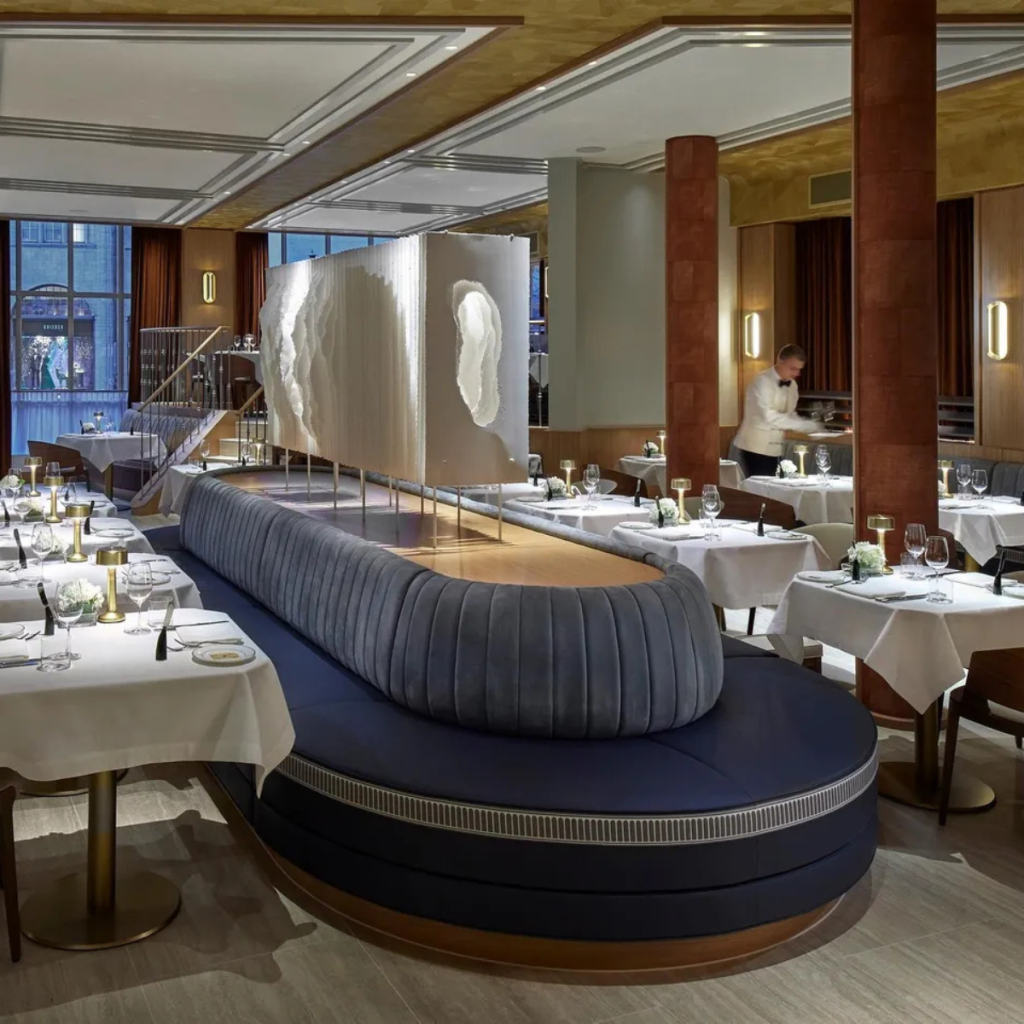
At the Savoy Brasserie in Zurich, for example, the integration of works by Angela Glajcar demonstrates how material and light can shape perception throughout the day. Her layered paper installations respond subtly to their environment, shifting as guests move through the space. The experience is not immediate, but gradual, something that unfolds rather than presents itself.
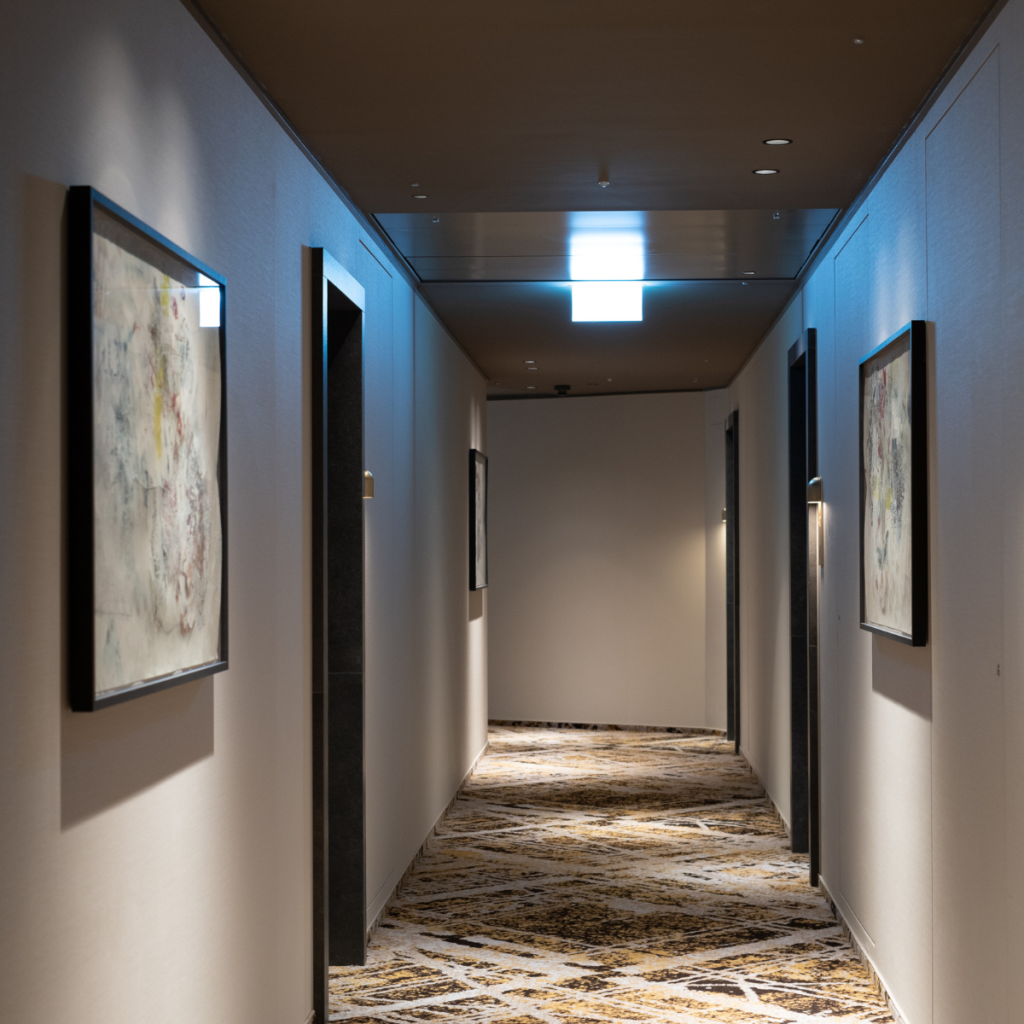
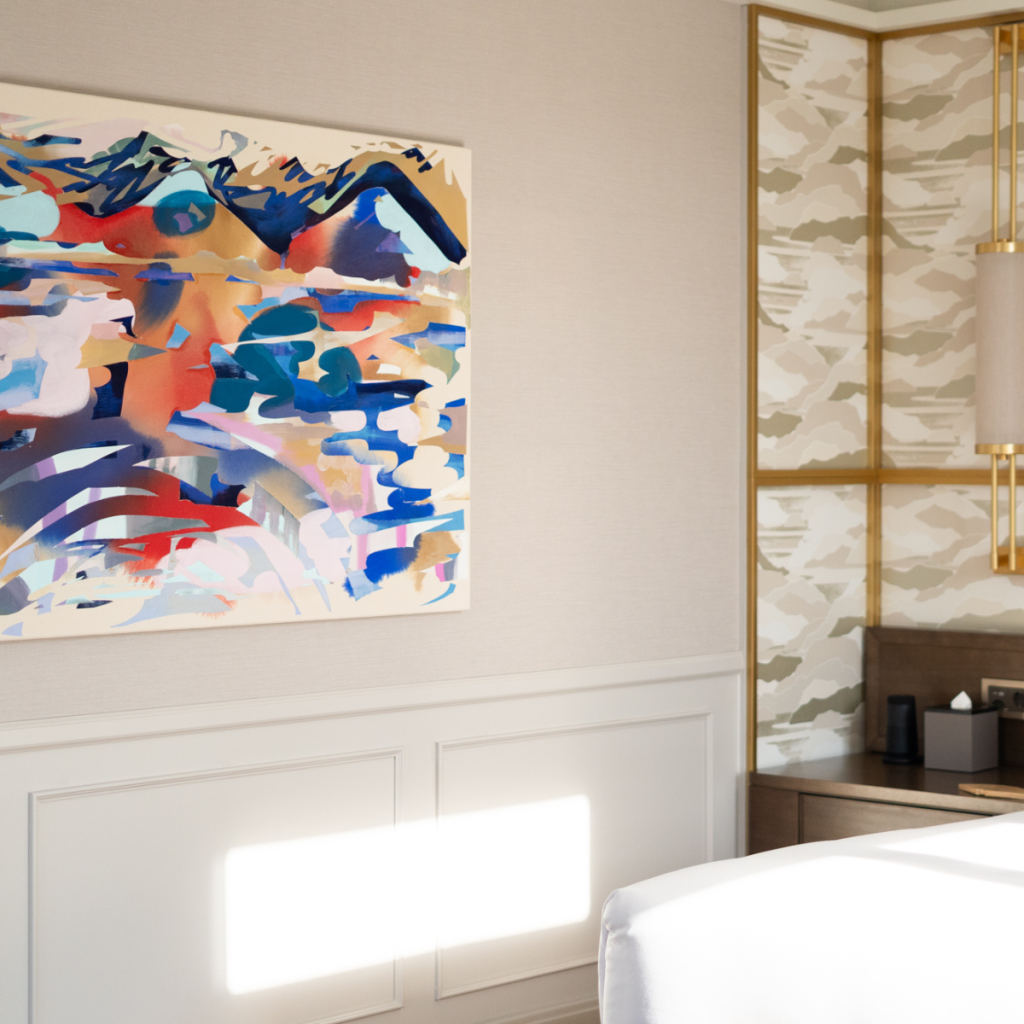
A similar approach can be observed at the Andaz Prague, where the collection is deeply connected to local narratives. Through the “Walk of Myths” concept, artworks are not isolated elements, but part of a broader storytelling framework that extends beyond the hotel itself. Guests encounter pieces that reference Czech legends, history, and cultural identity, creating a sense of place that is both contemporary and rooted. This transforms the hotel into more than a destination; it becomes an entry point into the city.
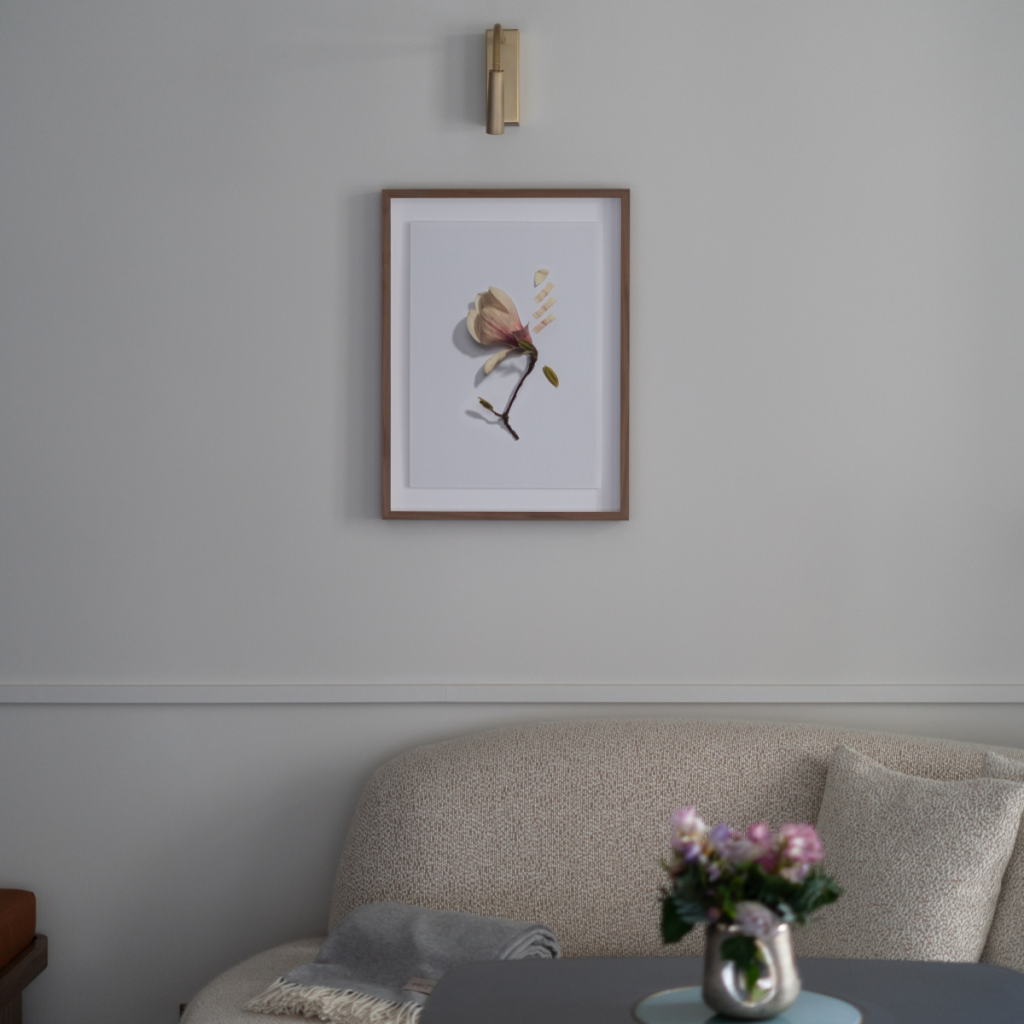
At The Florentin, the approach shifts again. Here, the focus lies in creating a sense of calm through reduction. The collection, consisting of hundreds of original works, is intentionally restrained in tone and composition. Rather than overwhelming the guest, it creates space, allowing for stillness, for reflection, for a slower pace. The artworks do not compete for attention. They support the atmosphere, reinforcing the idea that a space can feel complete without being filled.
Across these projects, one idea becomes clear, which we wanted to share today. For us, art is all about how it is experienced, which touchpoint can we advise on for the guest to fully engage and discover the artwork and curated narrative behind.
Again, when it’s done from the beginning, it shapes how a guest moves through a space, how long they stay, how they remember it. It creates layers that go beyond the visual, introducing a sense of depth that cannot be replicated through design alone.
This is where the idea of “feeling at home” begins to take on a different meaning. It is not about familiarity in a literal sense, but about a space that allows for ease. One that does not require interpretation, but invites presence. Art, when placed with right and supported by its surroundings, becomes central to this. It introduces depth without imposing it, creating moments that guests return to without fully understanding why.
For hoteliers and designers, this represents an opportunity. To move beyond designing spaces that are visually resolved, and towards creating environments that continue to evolve through experience. Where art is not a final layer, but a foundation. Where each element contributes to a larger narrative that unfolds over time.
At the same time, we have learned that art alone does not create this experience. It all depends entirely on what surrounds it.