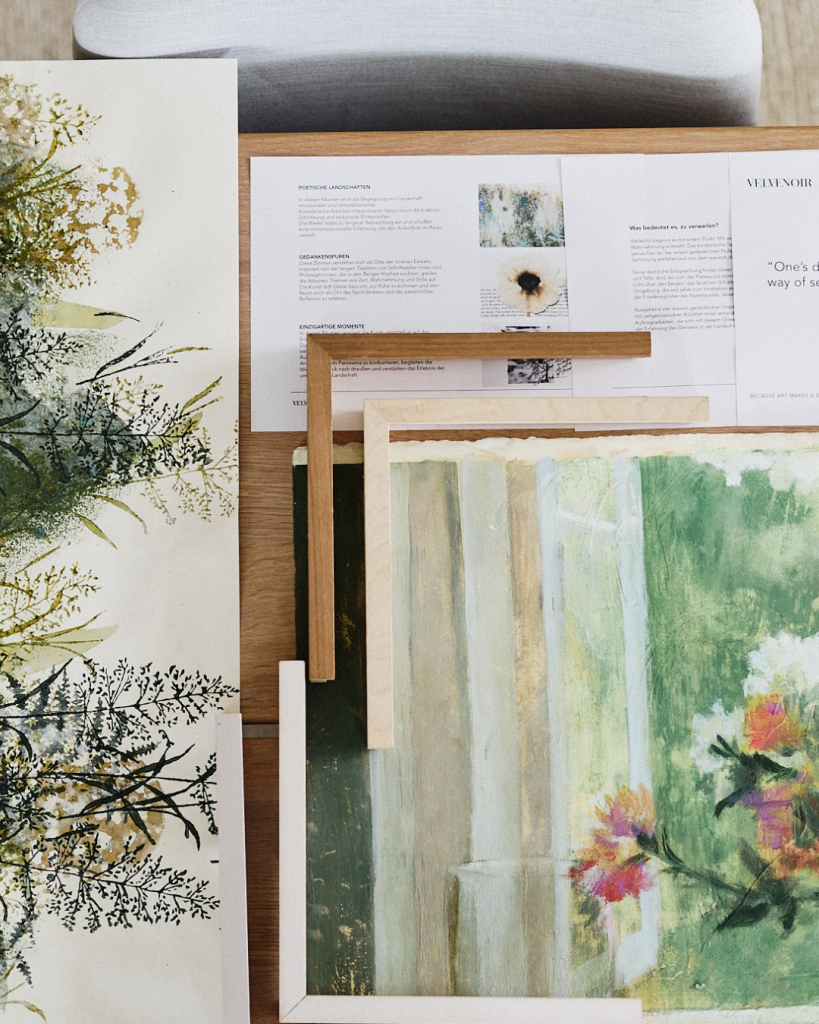
Discovering Where a Collection Begins
There is a reason April feels different in the art world. It does not carry the scale of June, nor the saturation of October. Instead, it offers something more useful to collectors: space to look. The month brings together a concentrated sequence of fairs across Europe and the United States, but without the sense that everything is happening at once. That makes it one of the most valuable moments in the year, not only for acquisition, but for orientation. April allows collectors to compare, to revisit, and to understand what continues to stay with them as they move from one fair to the next. This is why we return to it every year.
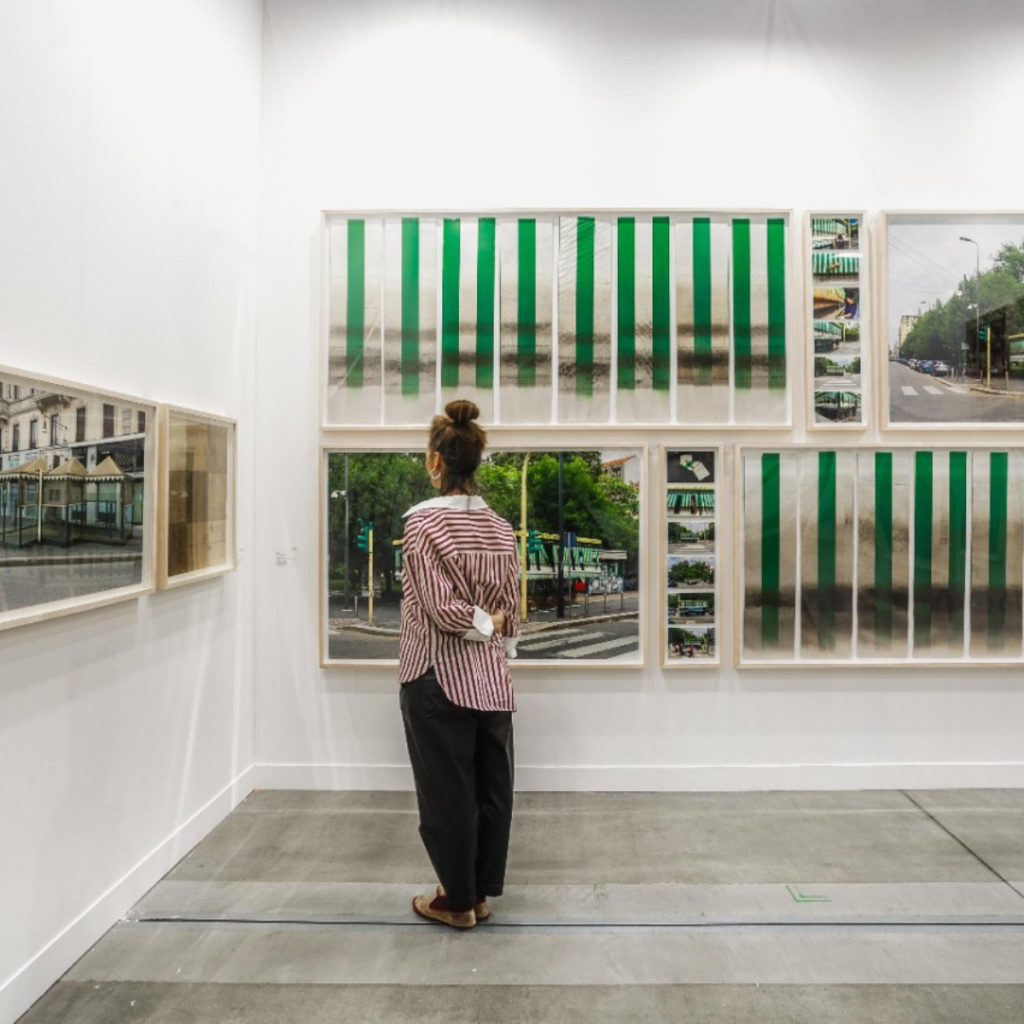
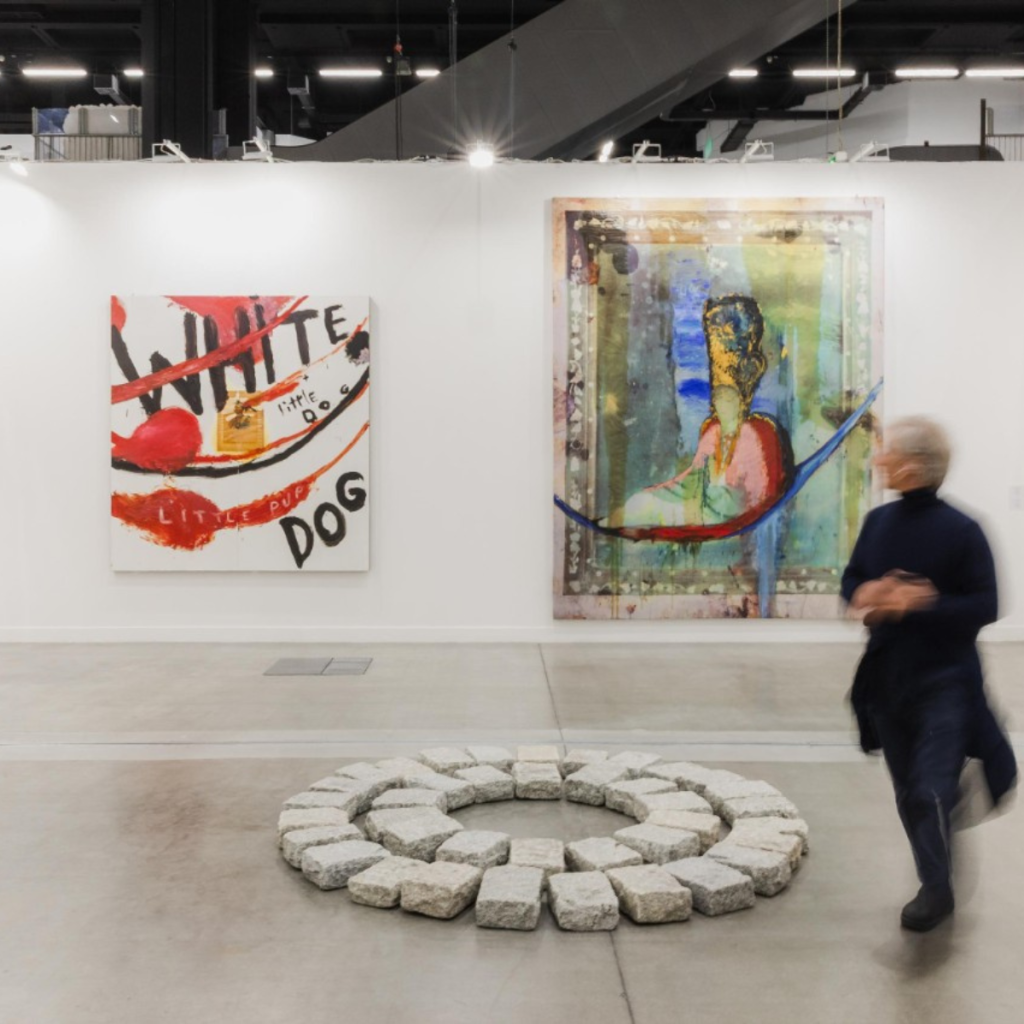
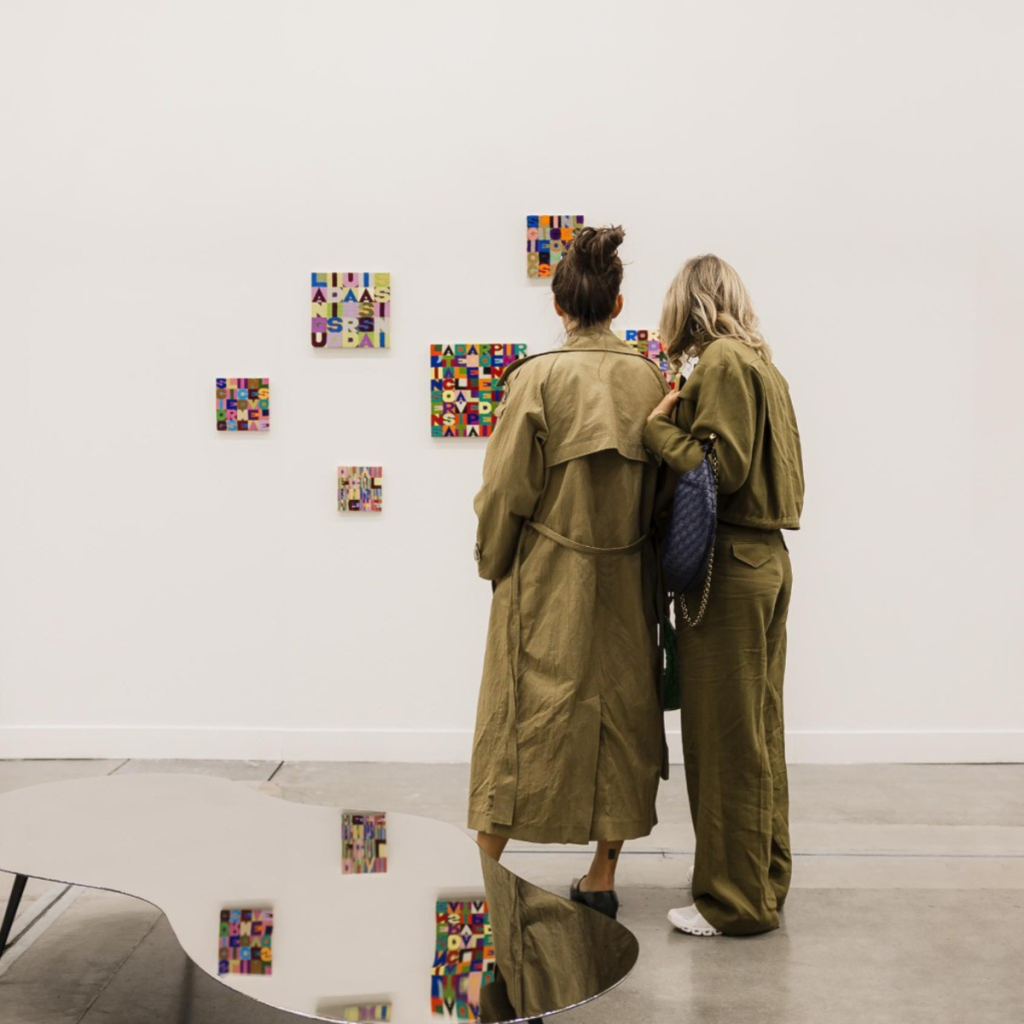
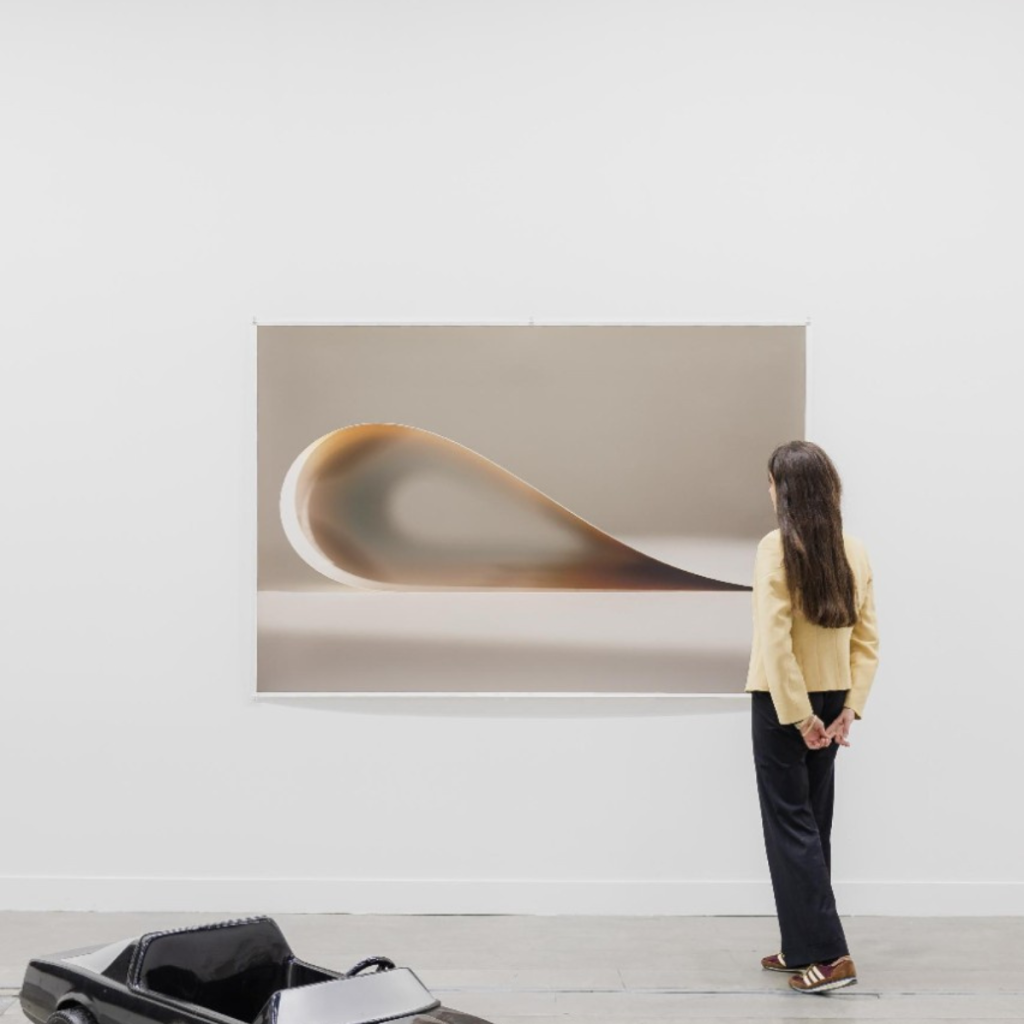
What makes April especially relevant is that each fair brings a distinct lens to collecting.
Paris, for instance, opens the month with two very different but complementary experiences. PAD Paris, which runs from April 8 to 12, operates at the intersection of collectible design and art, making it particularly important for collectors who think spatially, who understand that a collection lives not only on walls, but in dialogue with objects, design, and material culture. It trains the eye differently. One begins to look at form, surface, craft, and presence in space, not only at authorship or market position. Art Paris, held at the Grand Palais from April 9 to 12, shifts the focus again. Its strength lies in its balance between modern and contemporary positions, offering a more contextual experience in which collectors can see how works sit within broader historical and geographic narratives. Together, these two fairs make Paris in April less about spectacle and more about calibration.
Palma adds another kind of energy to the month. ART COLOGNE PALMA MALLORCA, launching from April 9 to 12, 2026, introduces a new format rooted in collaboration between ART COLOGNE and Art Palma Contemporani, bringing leading national and international galleries into a more intimate Mediterranean setting at the Palau de Congressos Palma Bay. What makes Palma compelling is not scale, but atmosphere. It offers collectors a slower environment in which conversations can unfold with greater proximity. The fair feels less transactional and more relational, shaped as much by the city and its existing gallery culture as by the fair itself. For collectors, this matters. It creates the conditions not only to see, but to absorb.
Across the Atlantic, EXPO Chicago and the Dallas Art Fair reveal how differently a fair can function within the same month. EXPO Chicago returns to Navy Pier from April 9 to 12 for its 13th edition, with 130 leading galleries and a strong emphasis on curated programming, installations, and dialogue between local and international scenes. Chicago has always held a particular position in the American fair landscape: rigorous, institutionally minded, and culturally connected to the city itself. It rewards collectors who want both market access and curatorial depth. Dallas, which follows from April 16 to 19, is more condensed and more direct. Held at the Fashion Industry Gallery, it offers a strong gallery selection but often in a setting where conversations feel less mediated and more immediate. That is part of its appeal. It gives collectors a sharper sense of the gallery itself—how it speaks, how it positions artists, how it builds relationships. One fair broadens the field. The other brings it closer.
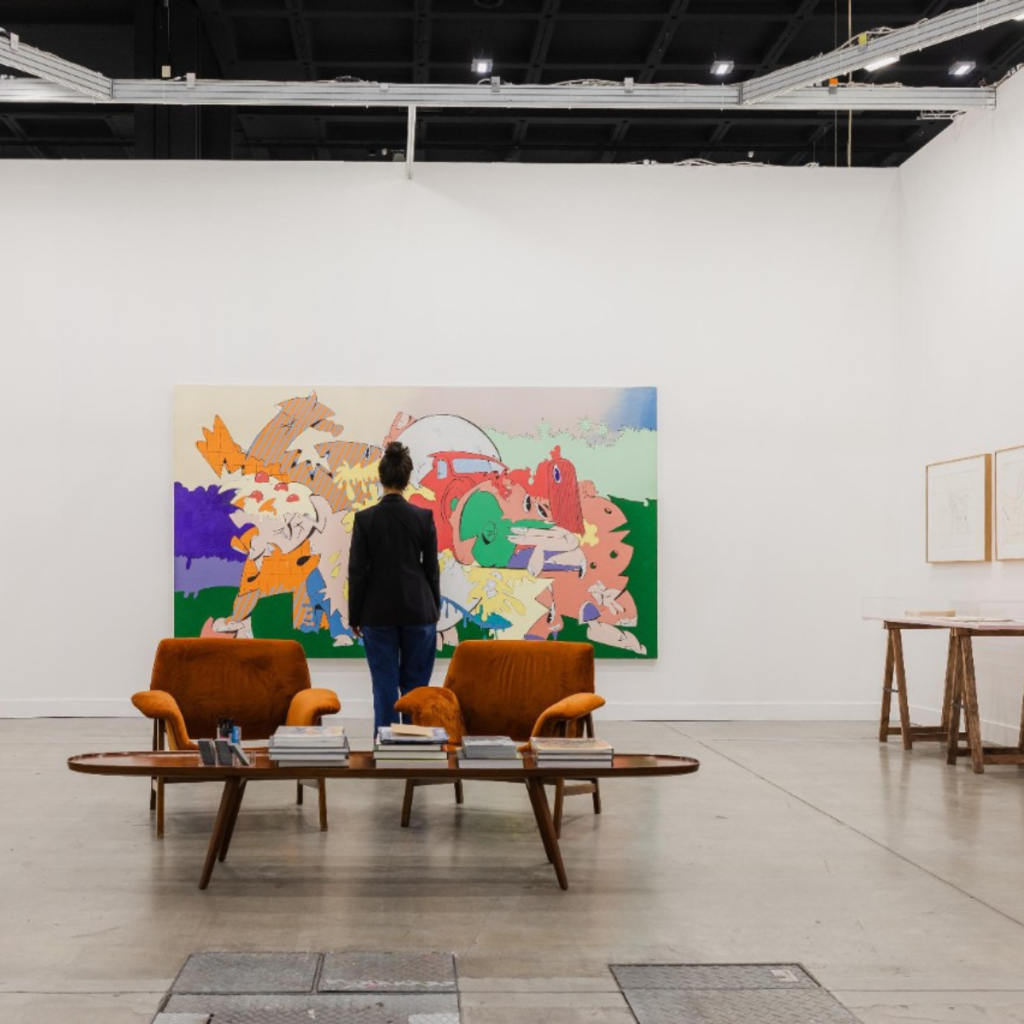
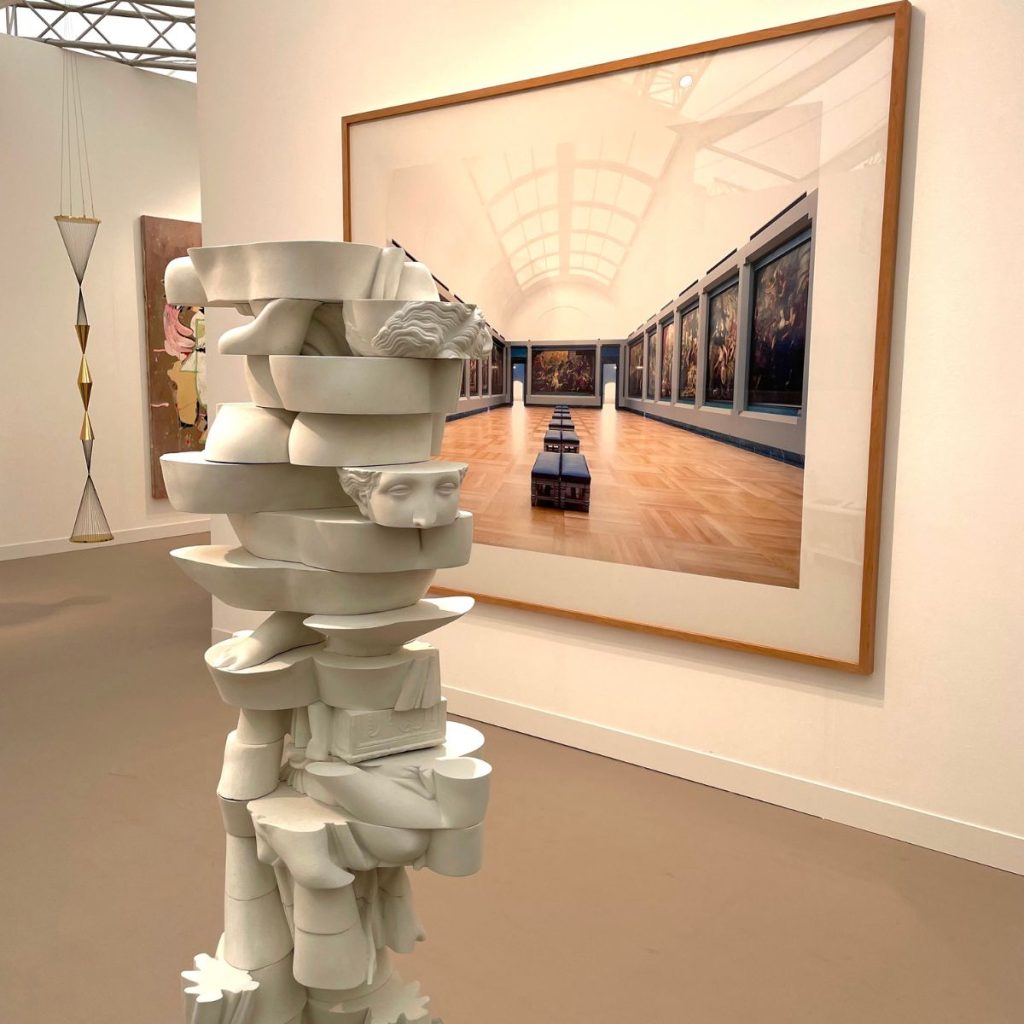
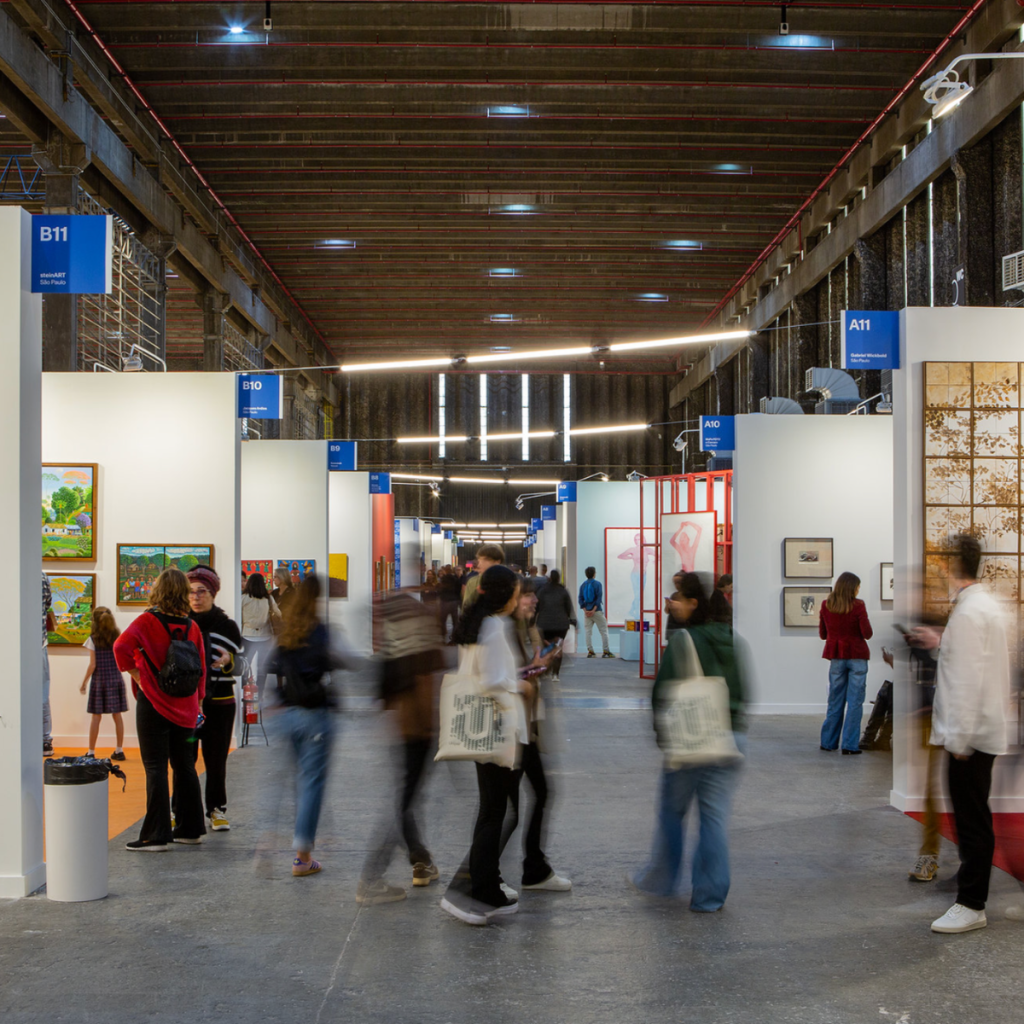
The middle of the month belongs to Milan and Düsseldorf, two fairs that are often discussed less loudly but are deeply useful for collectors building a more nuanced perspective. miart, held from April 17 to 19 at Allianz MiCo, is one of the few fairs that handles the relationship between modern and contemporary art with real sophistication. Rather than separating periods too rigidly, it allows collectors to see continuity across them. That makes it especially valuable for those shaping collections that are not driven by trend, but by dialogue between generations, movements, and materials. Art Düsseldorf, running on the same dates at Areal Böhler, offers something else: a clearer sense of the regional and transnational dynamics that shape the European market today. Its mix of established local and international positions, presented in a more contained environment, makes it particularly strong for collectors who want to discover artists within a framework that is neither overwhelming nor overly polished.
By the time Art Brussels opens from April 23 to 26, a different level of looking has already begun. This is one of the reasons Brussels matters so much in April. It arrives late enough in the month to allow comparison, but early enough in the year to still feel open. The fair brings together around 150 galleries and has long been recognised for its strength in emerging and mid-career positions, as well as for the way it balances established names with younger programmes. That balance is precisely what makes it so useful. Brussels rarely feels overdetermined. It leaves room for instinct. A collector can move between sections, between stages of artistic development, between different geographies, and begin to notice what continues to pull them back.
A collection is never built in a single moment. It evolves through what you see, what you return to, and what continues to stay with you long after you have left the room.”
What all of these fairs demonstrate is that collecting is not formed in a single moment of acquisition. It is formed through repetition, comparison, and exposure. A work seen in Paris may return in a different register in Milan. An artist first encountered in Chicago may reappear in Brussels, suddenly making more sense. A gallery presentation in Dallas may sharpen how one looks at a related position later in Palma. This is the deeper value of April. The month creates continuity across cities and contexts, allowing collectors to develop not only preferences, but a point of view.
At VELVENOIR, this is why we continue to share these moments. Because building a collection is not only about access to works. It is about learning how to look. It is about understanding how galleries place artists, how context changes perception, and how a personal collection begins to emerge through what remains present long after the fair is over.