A Personal Note on Procurement, Art Commissions and Quality Management
There is a moment in every hospitality project when the art concept has been approved, the story has found its direction, and the first selections begin to appear across guestrooms, suites, corridors, restaurants and public areas. From the outside, it may seem as though the most complex part has already been done. Yet in my experience, this is where some of the most important work begins: turning a curatorial idea into real artworks, created, acquired, framed, transported, documented, insured and installed with care.
For us, procurement is not an administrative phase after curation. It is where the integrity of the collection is protected. A concept only becomes meaningful when it can survive budgets, timelines, production realities, shipping routes, customs documents, framing decisions, lighting conditions, site access and installation schedules. This is the point where an art consultancy has to be both curatorial and operational: close enough to the artist’s language to understand what must not be compromised, and structured enough to carry every detail through to the final placement.
When we procure contemporary art for hotels, we often work with visual artists and galleries across different countries. Sometimes we acquire existing works. Sometimes we develop a selection from an artist’s current practice. Sometimes we commission new works specifically for a property. A site-specific art commission asks for particular sensitivity, because it should never mean asking an artist to simply “fit” a wall. It begins with the story of the place, the architecture, the interior vision, the cultural context and the guest journey, but it also needs enough space for the artist’s own thinking. The strongest commissions happen when the artist is invited into the narrative without being reduced to executing it.
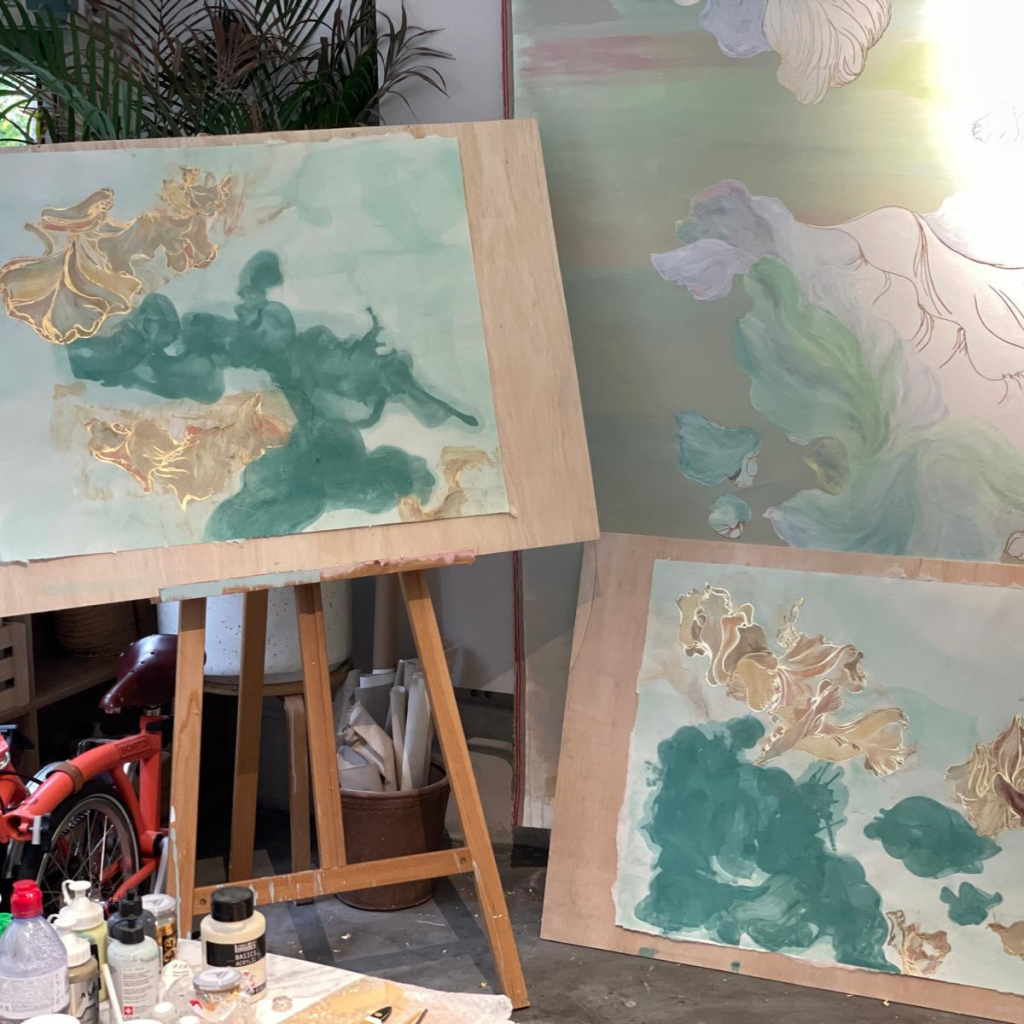
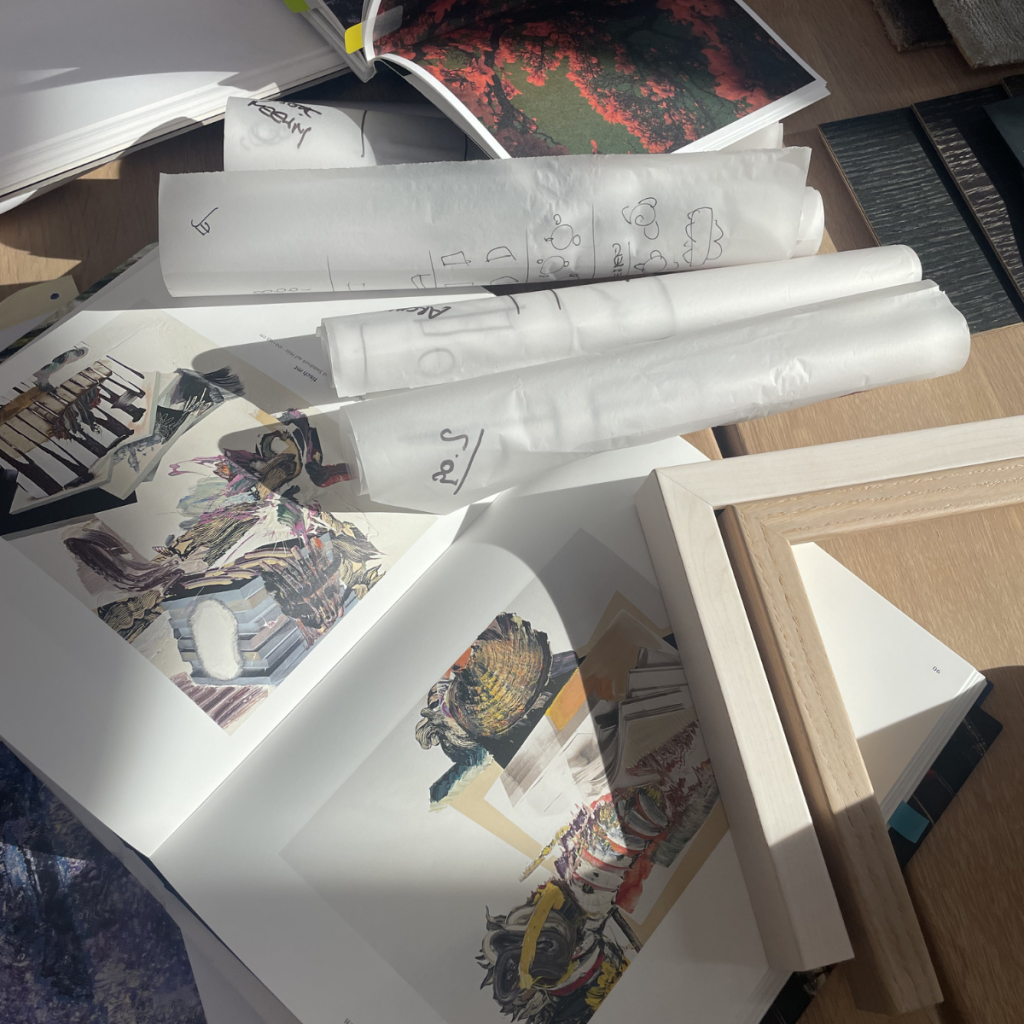
Once the direction was approved, we began sourcing Czech artists and discussing commissions that would interpret local myths through their own visual language.
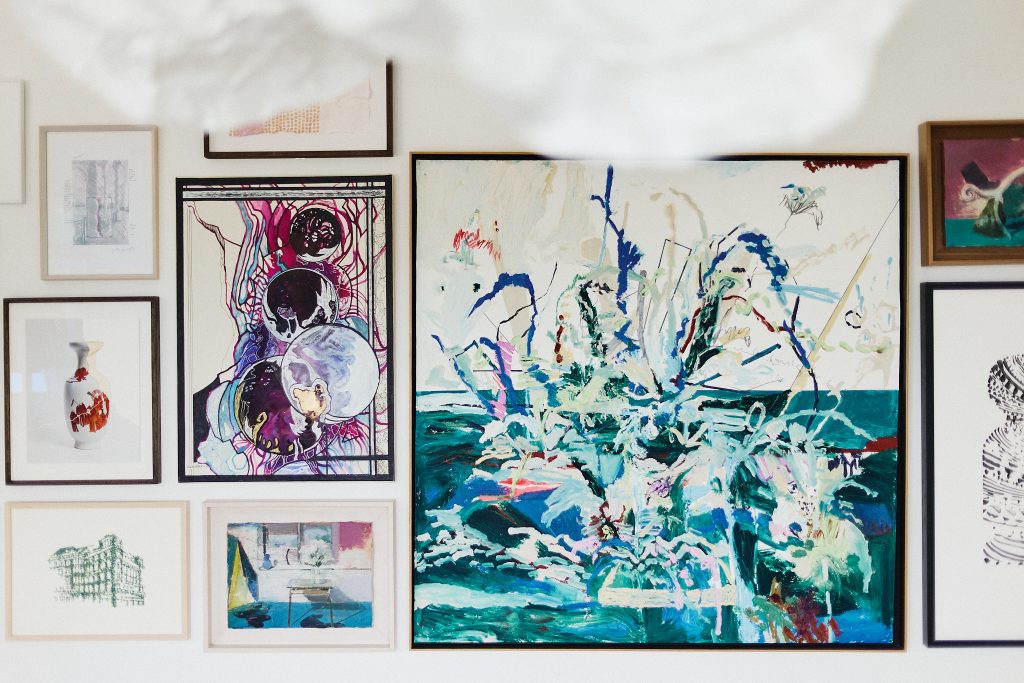
I often think of Andaz Prague, where the concept grew from time spent in the city, walking through streets and public squares, visiting galleries, museums, libraries and bookstores, reading into myths, legends, literature, philosophy and, inevitably, Kafka. Once the direction was approved, we began sourcing Czech artists and discussing commissions that would interpret local myths through their own visual language. The result became the “Walk of Myths”, a collection connecting the hotel’s interior with the city outside, inviting guests to discover artworks, stories and landmarks through a booklet and self-guided route. What remains meaningful to me is not only the final guest experience, but the process behind it: research, artist conversations, careful briefing, coordination with communication teams and branding partners, and the final on-site supervision with professional art handlers.
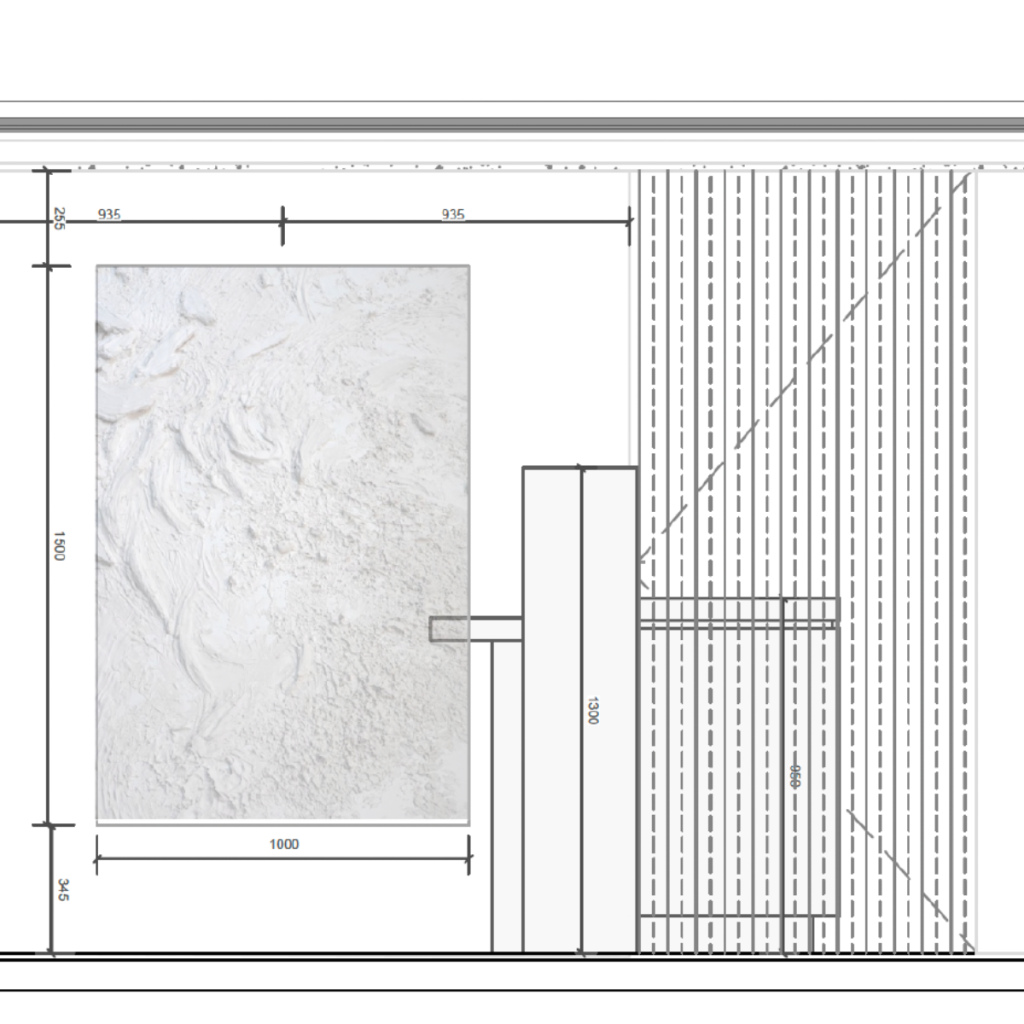
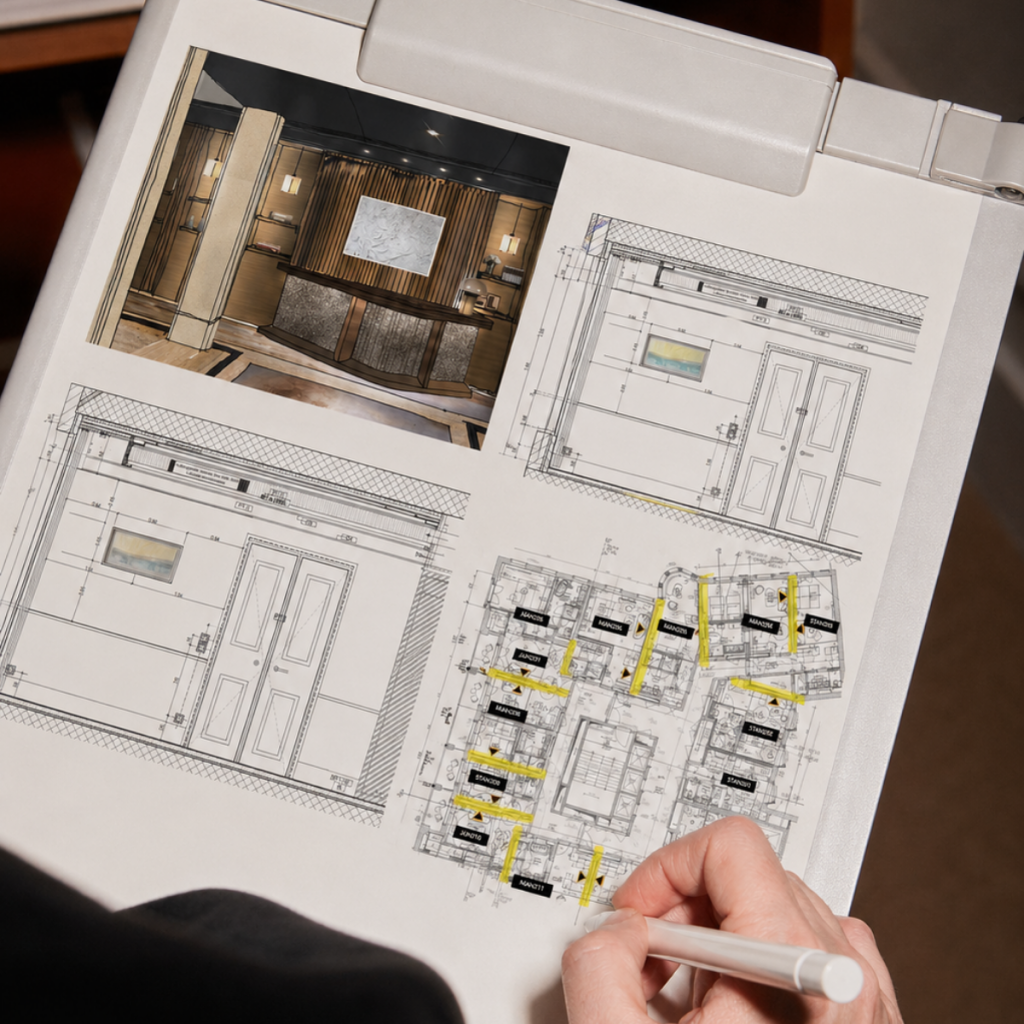
After an artist has been selected, the work becomes more exacting. We develop artwork matrices for guestrooms, suites, public areas and F&B outlets, so the collection can hold together across the property. We define formats, materials, edition details, framing standards and finishing requirements. We prepare artwork dossiers with curatorial rationale, visual references and technical specifications. We place works into layouts and elevations to understand scale, positioning and spatial effect. We align with clients, operators, interior designers, procurement partners, lighting consultants and on-site teams, because an artwork that feels right in a presentation can still fail in real life if the scale is wrong, the frame is poorly made, the glass reflects too strongly, the wall cannot carry the weight, or the lighting does not allow the work to be seen properly.
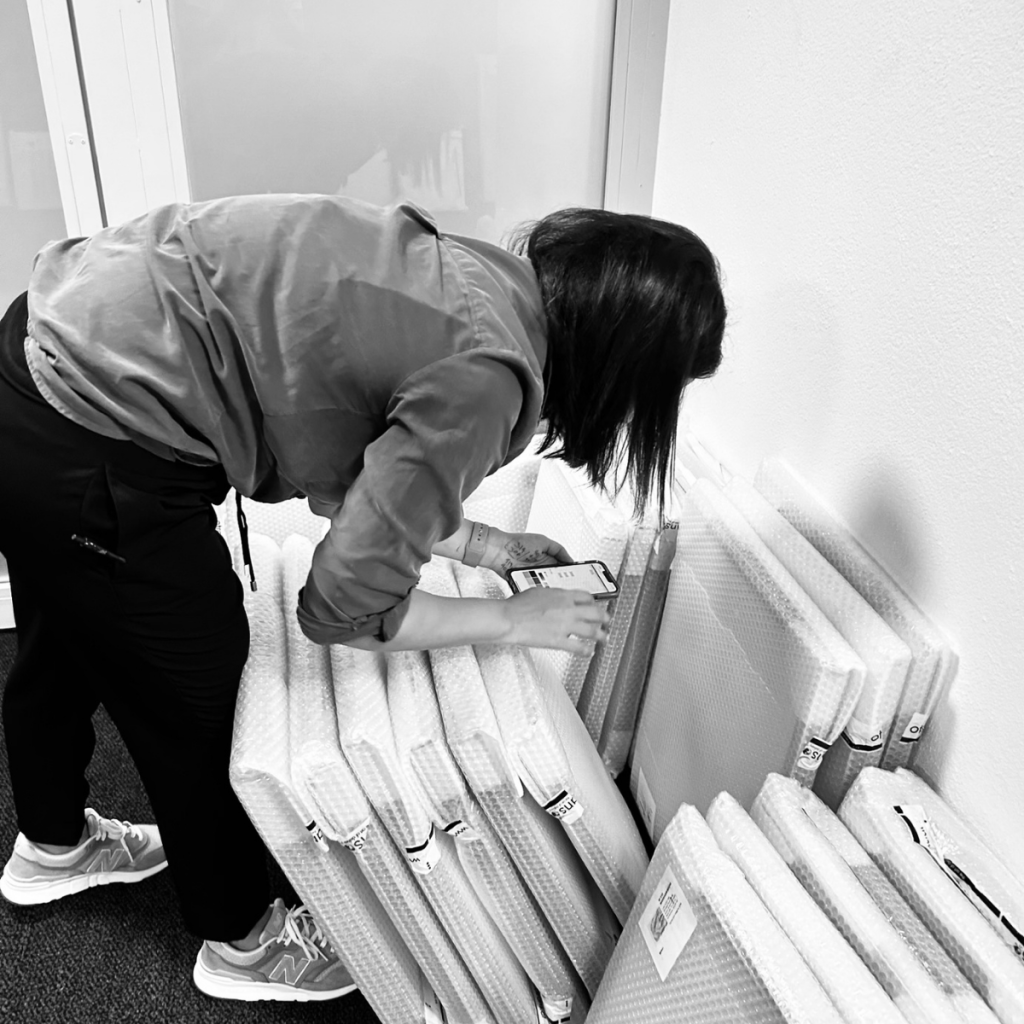
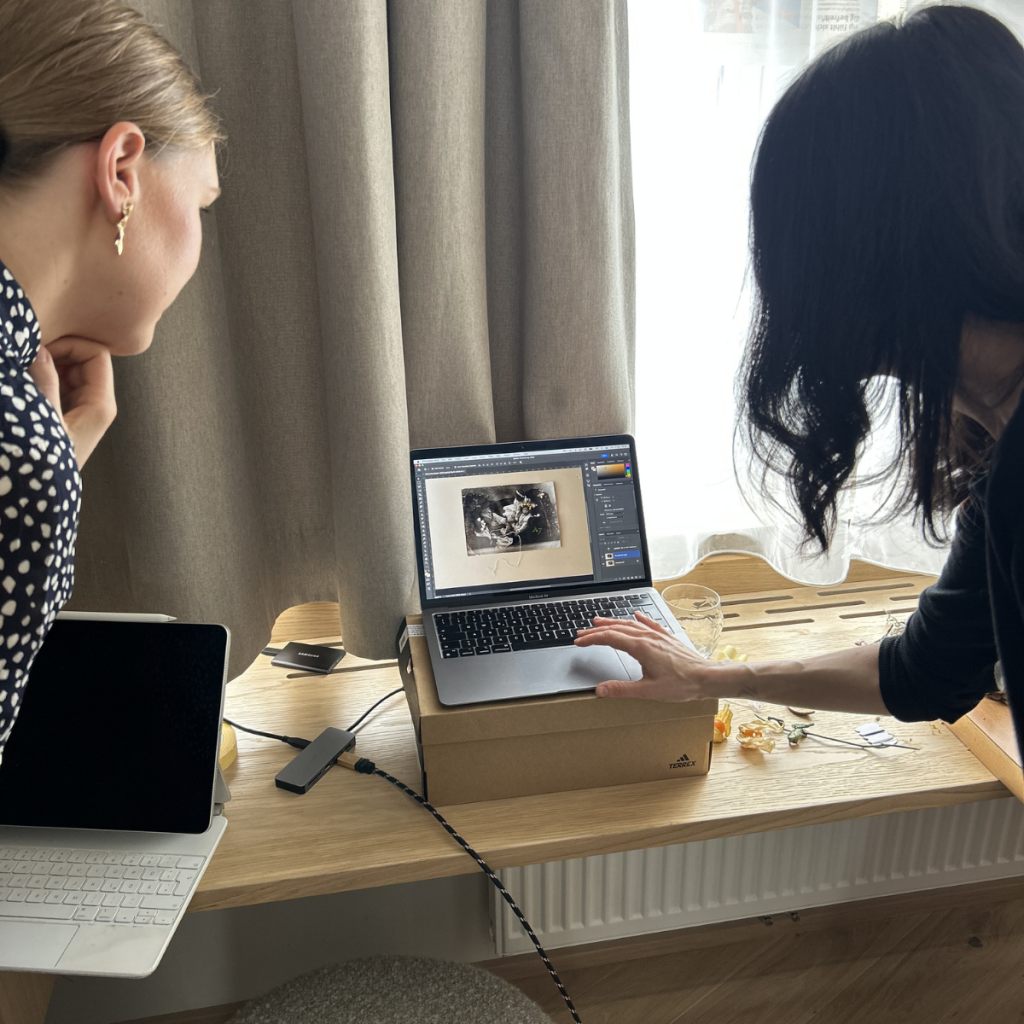
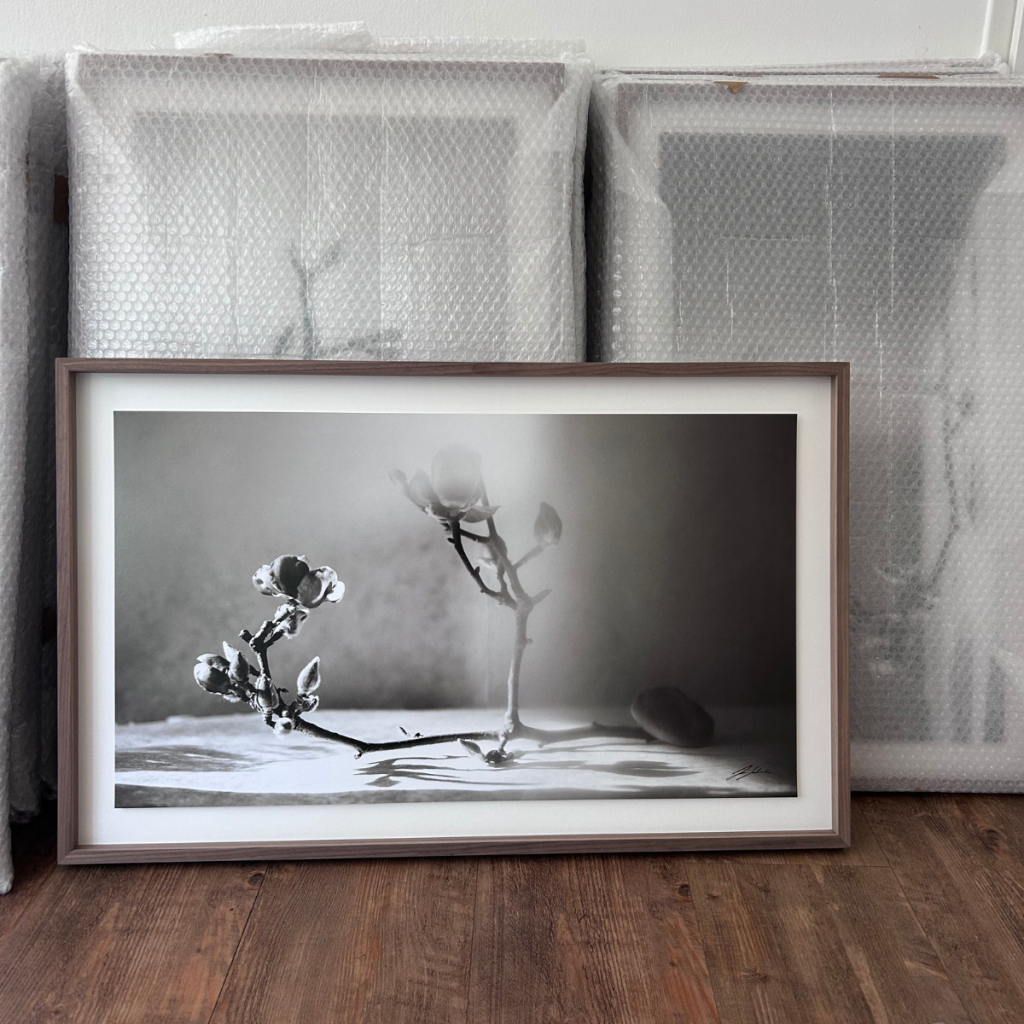
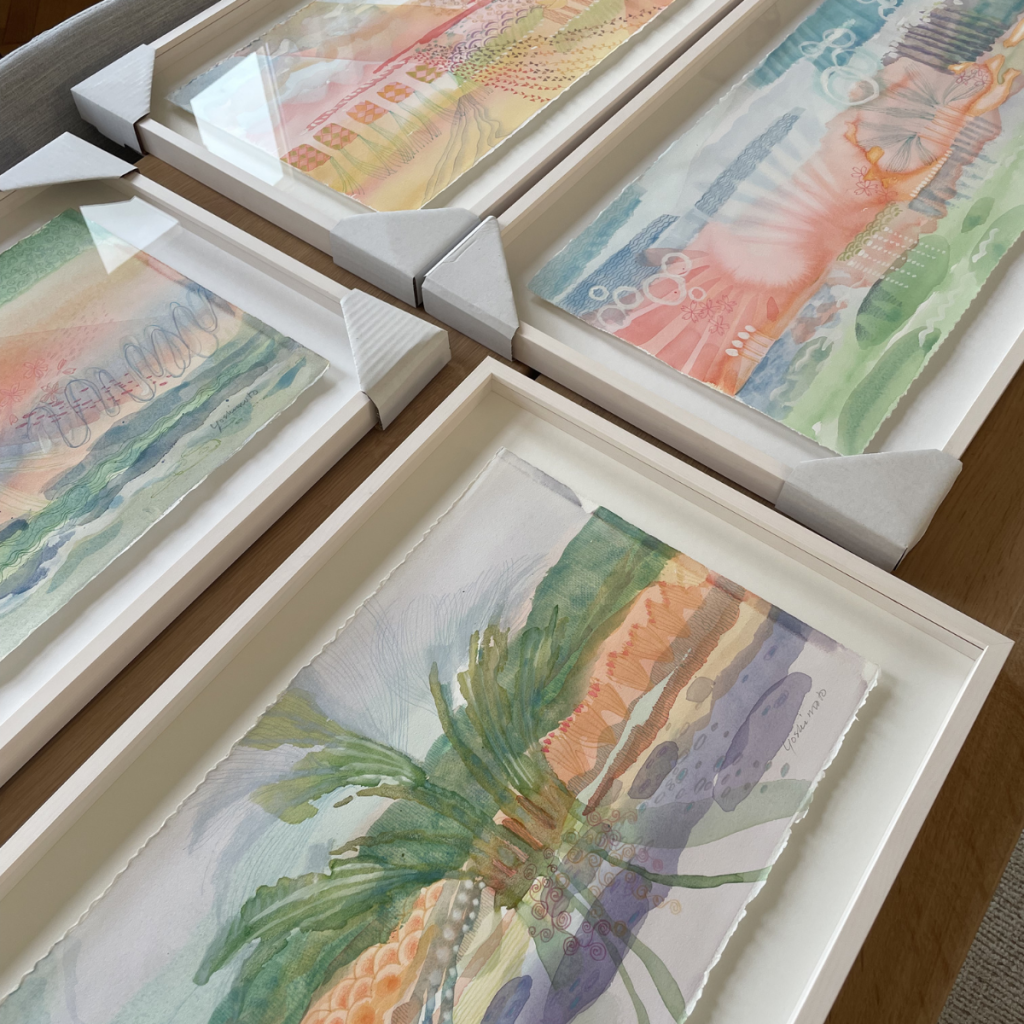
Quality management begins long before installation. It starts with the artist brief and continues through production, material decisions, sample approvals, framing specifications, condition reporting, packing, transport, insurance, customs and handover. It means asking practical questions early enough to protect the artwork, the client and the final collection. Is the work original? Is the certificate complete? Are the edition details correct? Has the gallery confirmed availability? Is the lead time realistic? Should the work be shipped stretched or rolled? Would local framing reduce cost, avoid unnecessary transport and support specialist businesses close to the project? Does the work require UV anti-reflective glass, secure mounting, special crating, climate considerations or interim storage? Who checks the condition on arrival? Who documents the work before it is installed? Who takes responsibility when something is not as expected? Those questions, have become a central part of our procurement and quality management structure over the past 12 years.
These details are the infrastructure of trust. In hospitality, art is part of a much larger project environment. There are opening dates, procurement deadlines, FF&E budgets, site restrictions, brand expectations and many stakeholders who need clear decisions. A hotel collection may include hundreds of works, each with its own artist, supplier, specification, location, status and timeline. Without a central project platform, updated artwork lists, budget overviews, framing details, transport coordination and installation planning, a strong curatorial idea can quickly become diluted through execution. This is why we stay close to the process.
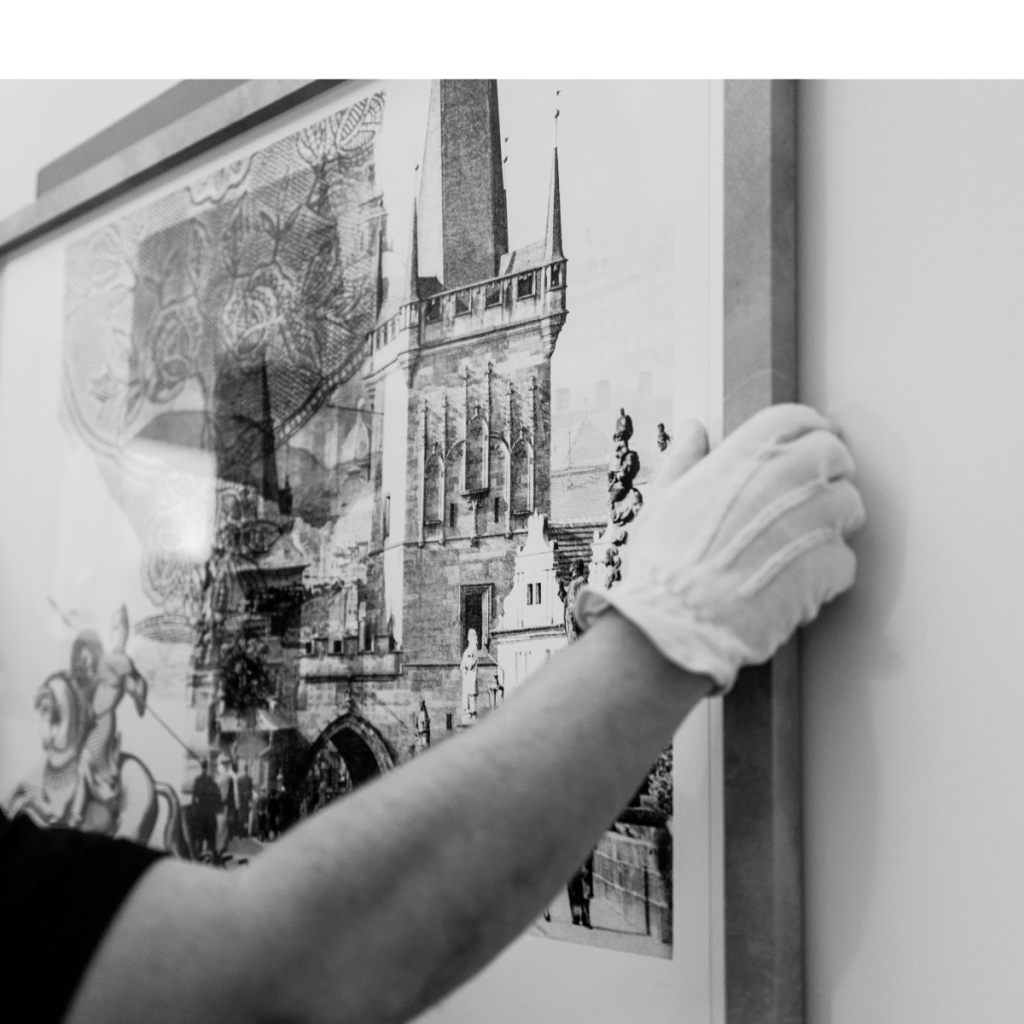
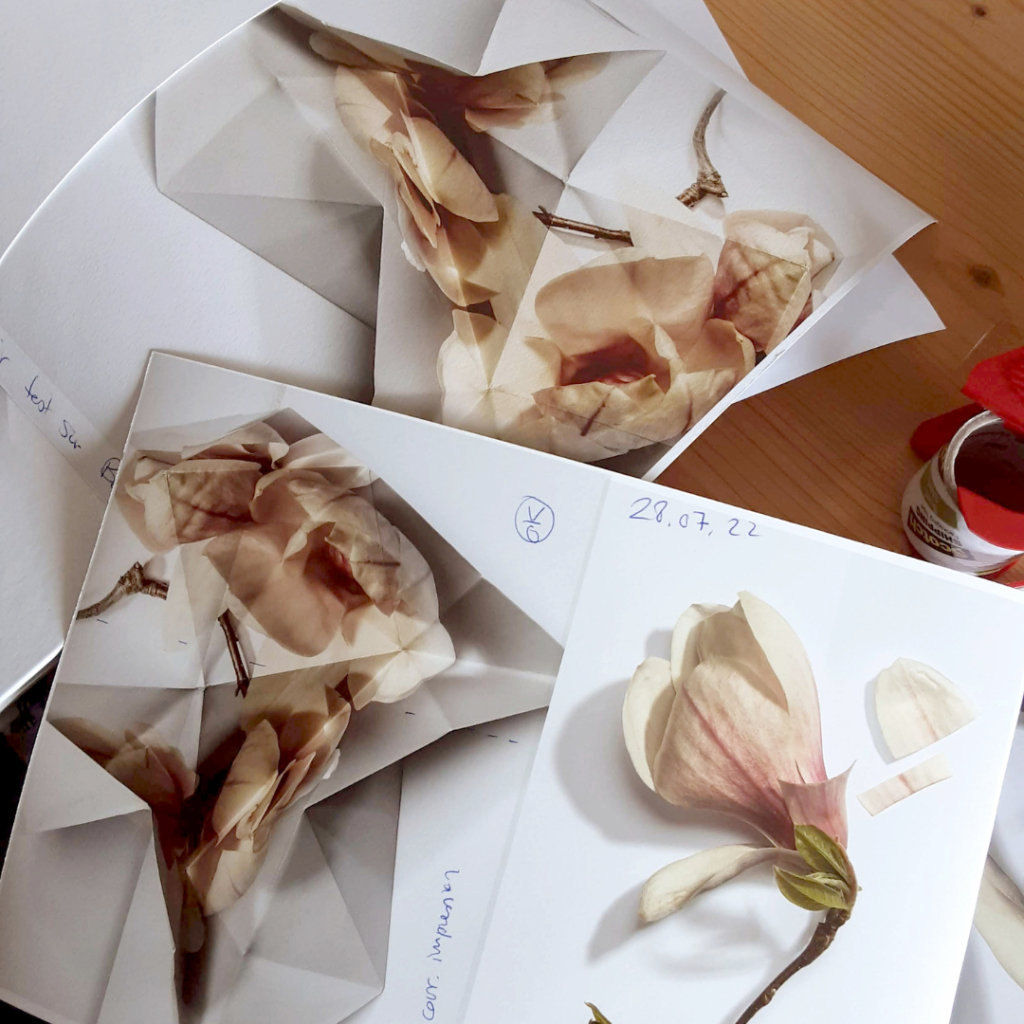
For VELVENOIR, procurement is also a form of advocacy. It allows us to bring artists into hospitality projects with seriousness and respect. It allows us to recommend emerging and established artists, work with galleries, support local framers and logistics partners, and ensure that contemporary art is not treated as an interchangeable “product”. When we commission art for a hotel, we are not only responding to a design requirement. We are creating an opportunity for an artist to respond to a place, for a guest to encounter something real, and for a property to carry a cultural layer that cannot be copied.
There are always moments that test the process. A shipment is delayed. A work arrives damaged. A frame needs to be remade. A customs document requires clarification. A wall condition changes on site. An artwork approved months earlier suddenly needs to be adjusted because the interior layout has evolved. These situations are part of delivering art internationally. What matters is the ability to respond quickly, calmly and responsibly, with the right specialists involved and the right documentation in place.
This is also why I believe procurement and quality management should not be disconnected from the curatorial work. When art procurement is handed over without a deeper understanding of the artistic, cultural and spatial reasoning behind a collection, something essential can be lost. A material may be changed because it is easier. A frame may be simplified without understanding its impact. An artist brief may become too narrow. A commission may become over-controlled. A work may be placed correctly on a spreadsheet but incorrectly in a room. Art needs operational structure, but it also needs curatorial guardianship.
procurement is also a form of advocacy. It allows us to bring artists into hospitality projects with seriousness and respect.
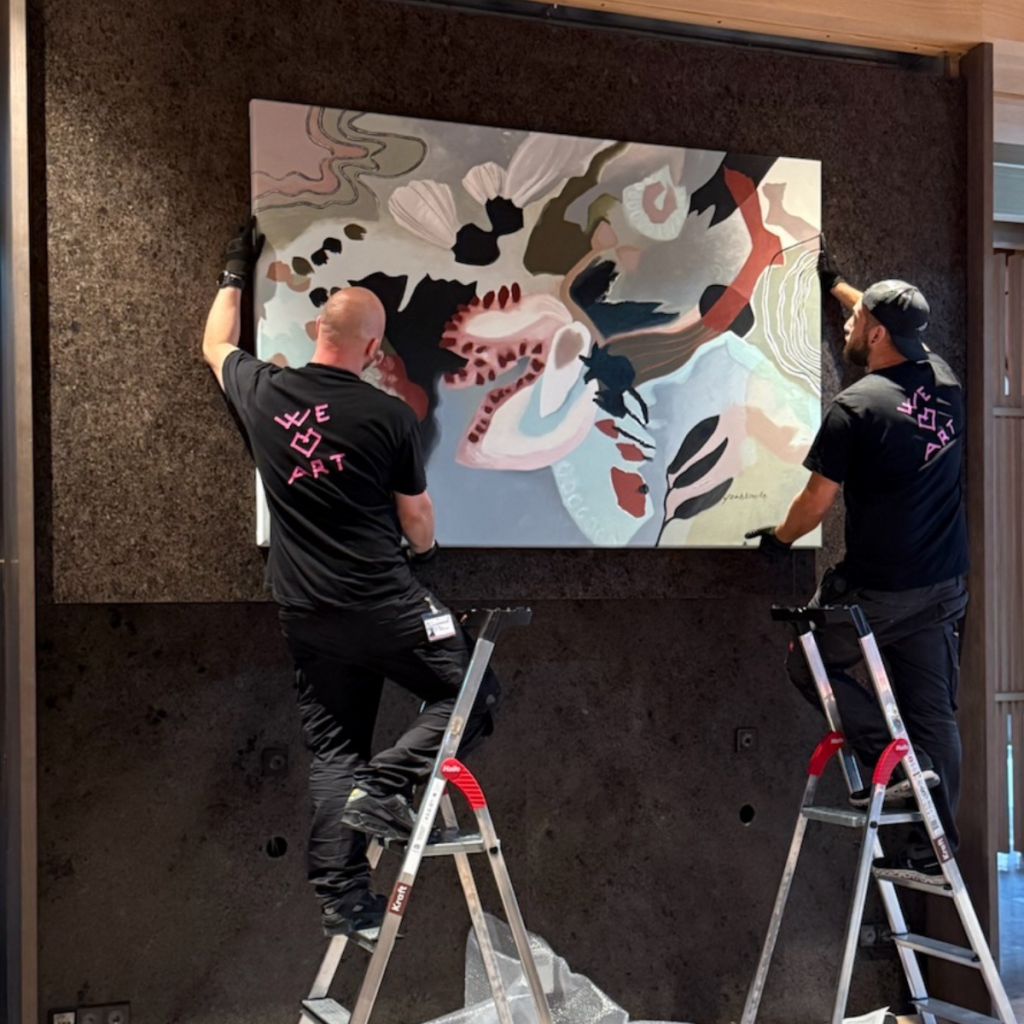
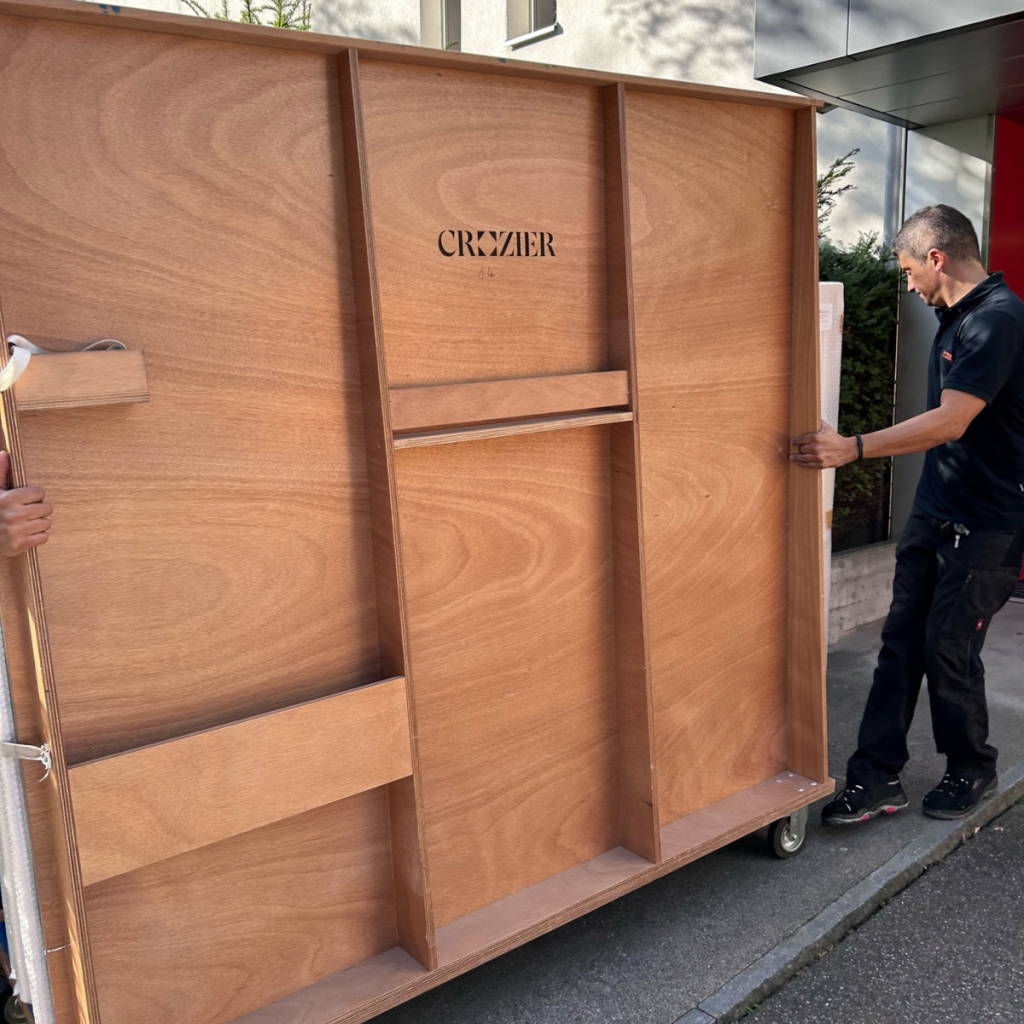
The most successful projects are the ones where this is understood from the beginning. The client trusts the process. The interior designer brings art into the conversation early. The operator recognises its role in the guest experience. Procurement partners respect the specifications. Artists feel guided without being restricted. Installers understand that placement is not only technical, but visual. And the art consultancy remains involved until the final work is installed, documented and handed over properly.
Looking back, I feel grateful for every project that has shown us how much care this work requires. From one artwork to hundreds, from sourcing to commissioning, from artist conversations to on-site coordination, the process has taught me that art consulting is not only about taste, access or selection. It is about responsibility: towards the artist, the client, the place, the budget, the timeline and the collection that will remain long after the opening.
Behind every artwork in a hotel is a chain of decisions. Some are creative. Some are technical. Some are logistical. Some are financial. All of them matter. And when they are handled with care, the result is not only a collection that looks considered, but one that has been built with integrity from the very beginning.
For hospitality developers, brands, interior designers and operators shaping new hotels, residences or cultural destinations, this is where we would love the conversation to begin. Not at the end, when the walls are waiting, but earlier, when the story is still forming, when artists can be engaged thoughtfully, when budgets can be aligned realistically, and when the collection can become part of the identity of the place. From concept to procurement, from art commissions to quality management, from first idea to final installation, this is the work we care deeply about.