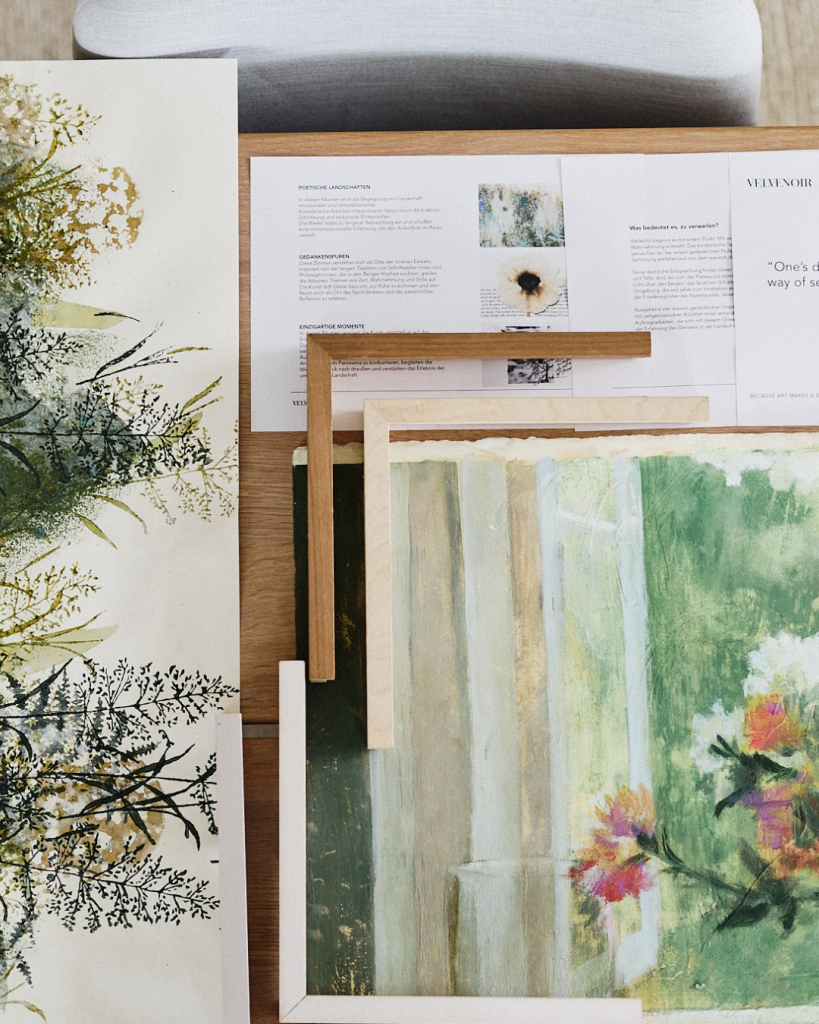
What if everything you think you need to know before collecting is actually holding you back?
Most collectors begin with a set of assumptions that feel both logical and necessary. There is often a belief that one needs to understand the market before making a first acquisition, to identify the “right” artists, to follow trajectories, and to make decisions that are informed from the outset. Collecting is frequently approached as something that requires preparation, research, and a certain level of expertise before it can begin. While this mindset is understandable, it often creates distance rather than momentum.
For us, it is so much more, it is about understanding oneself, interests, desires you want your art collections to convey, artists you would like to support, themes you are inspired by and the list goes on. One of our favouite quote, is coming from Charles Saatchi.
“Buy what you love, and you’ll never go wrong.” — Charles Saatchi
This statement is often reduced to a question of taste, yet its meaning goes further. It speaks to the ability to recognise what continues to resonate over time. Not what is immediately impressive, not what is confirmed by others, but what returns, what stays present beyond the first encounter for you. This requires a different form of engagement. One that is less focused on certainty, and more on experience you have with the artwork, artist and gallery or us as art advisor / consultant.
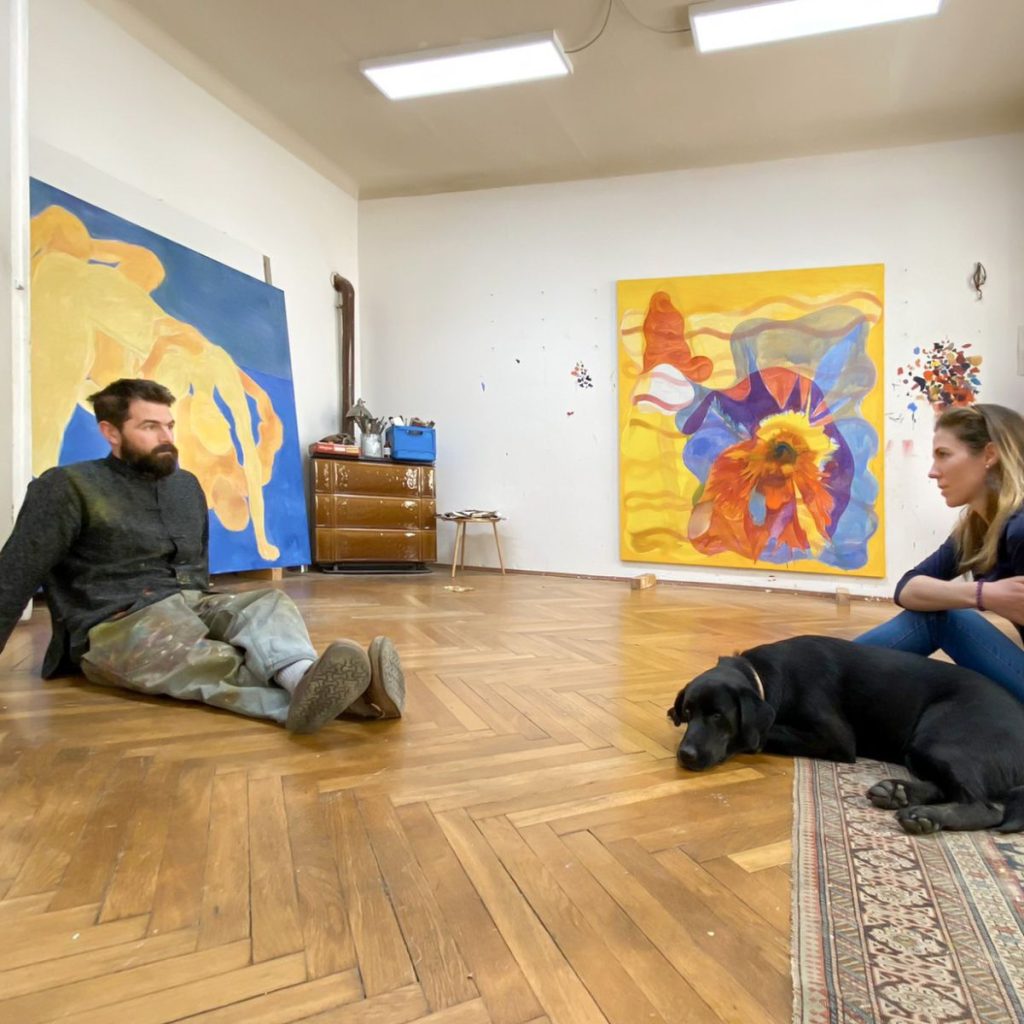
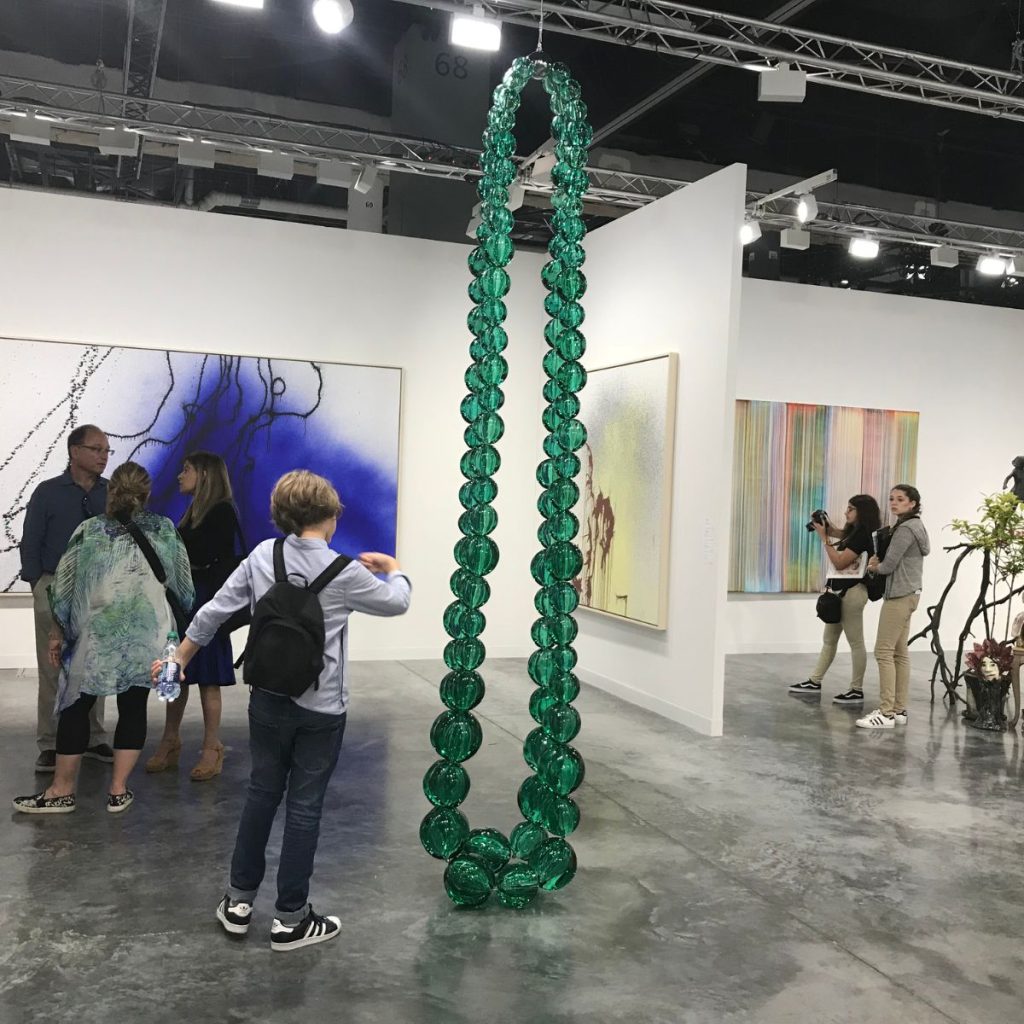
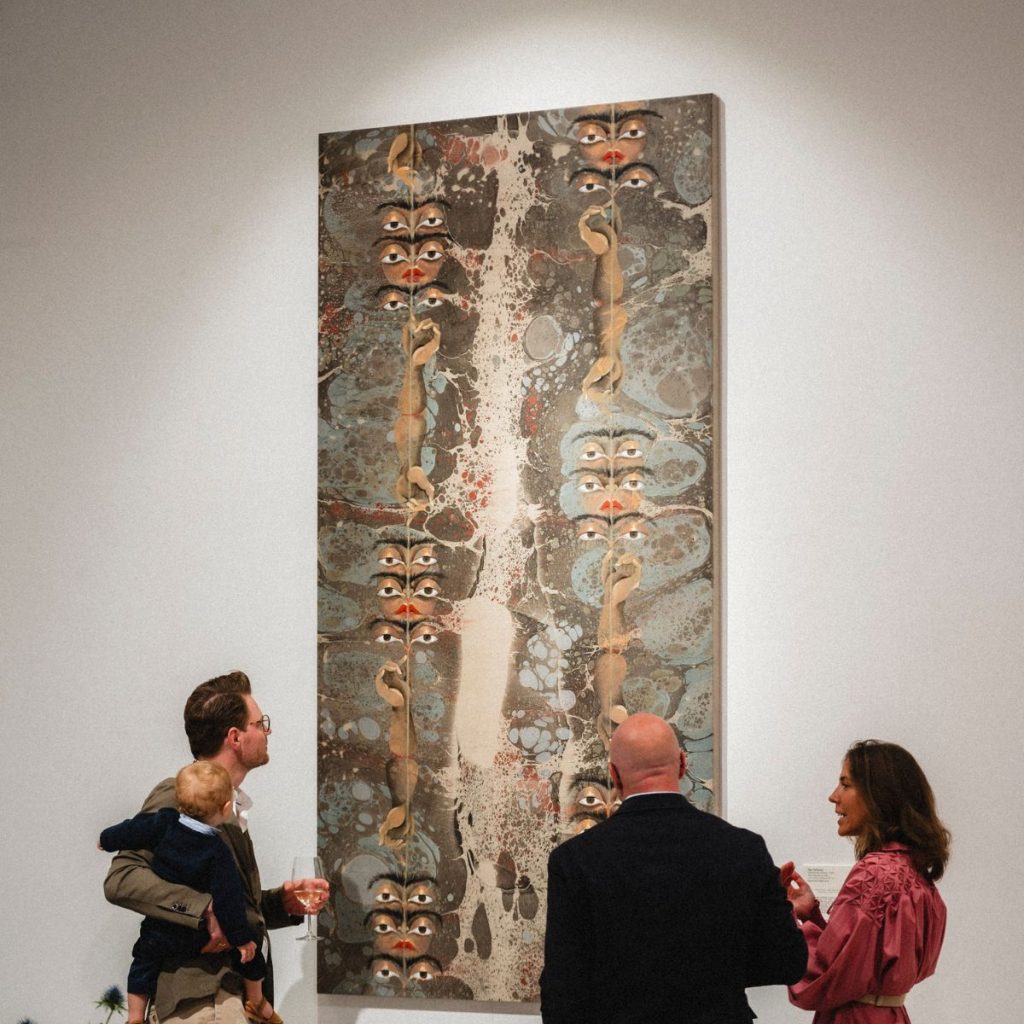
“The best reason to buy a work of art is because you can’t live without it.” — Eli Broad
Many collectors arrive with the expectation that they need to understand more before they begin. To navigate the art world, to identify positions that are considered relevant, to avoid making decisions that may feel uncertain. However, knowledge alone does not build a collection. It can inform, but it does not replace the process of looking. What matters is the ability to recognise what draws you in, and to stay with that recognition long enough for it to develop into something more substantial. It is your journey in the art world, and yours alone or with your partner.
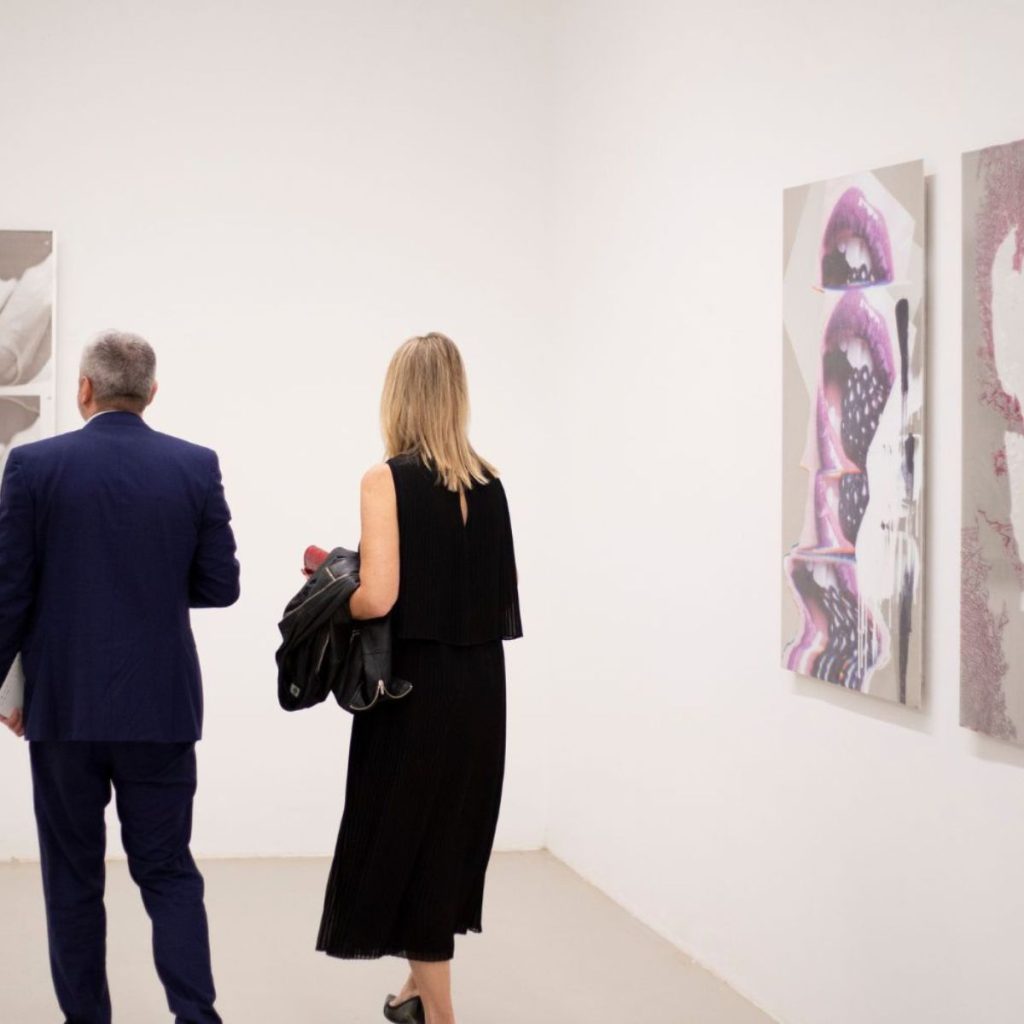
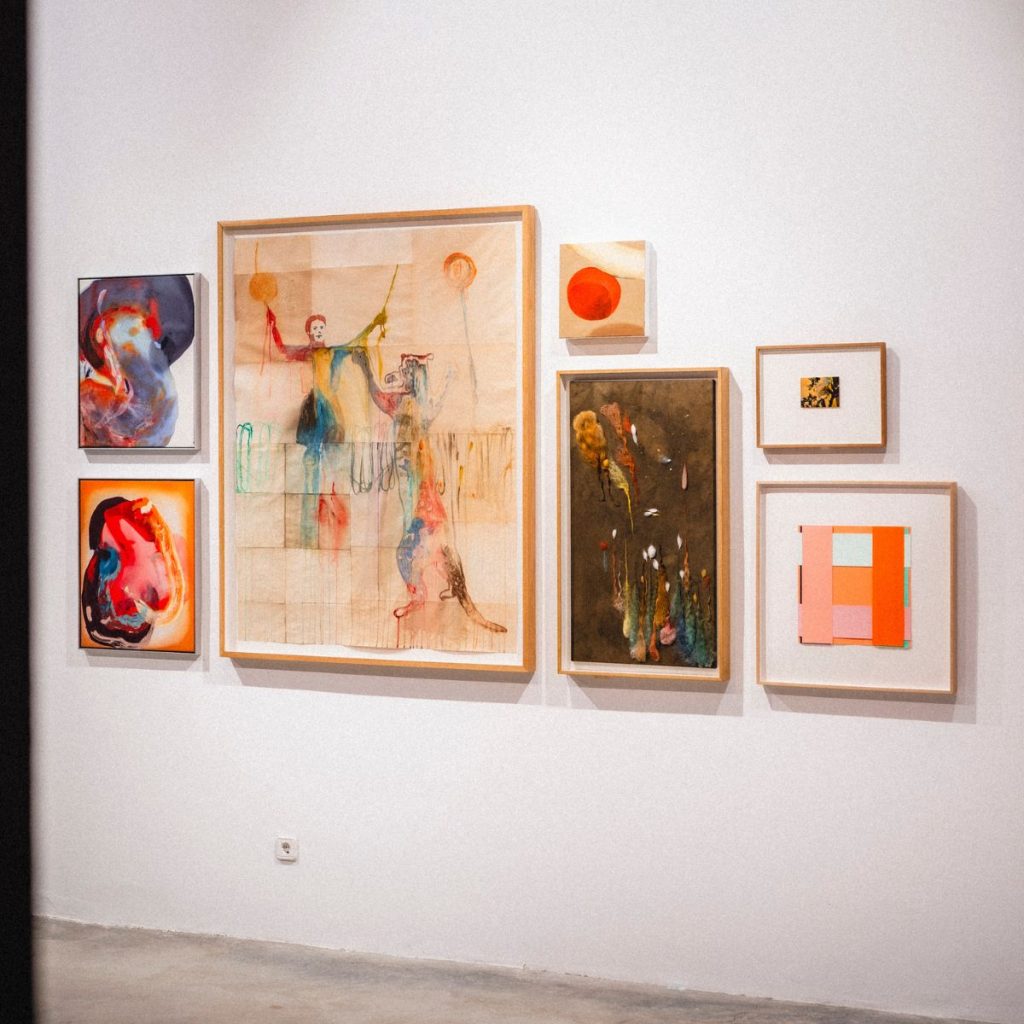
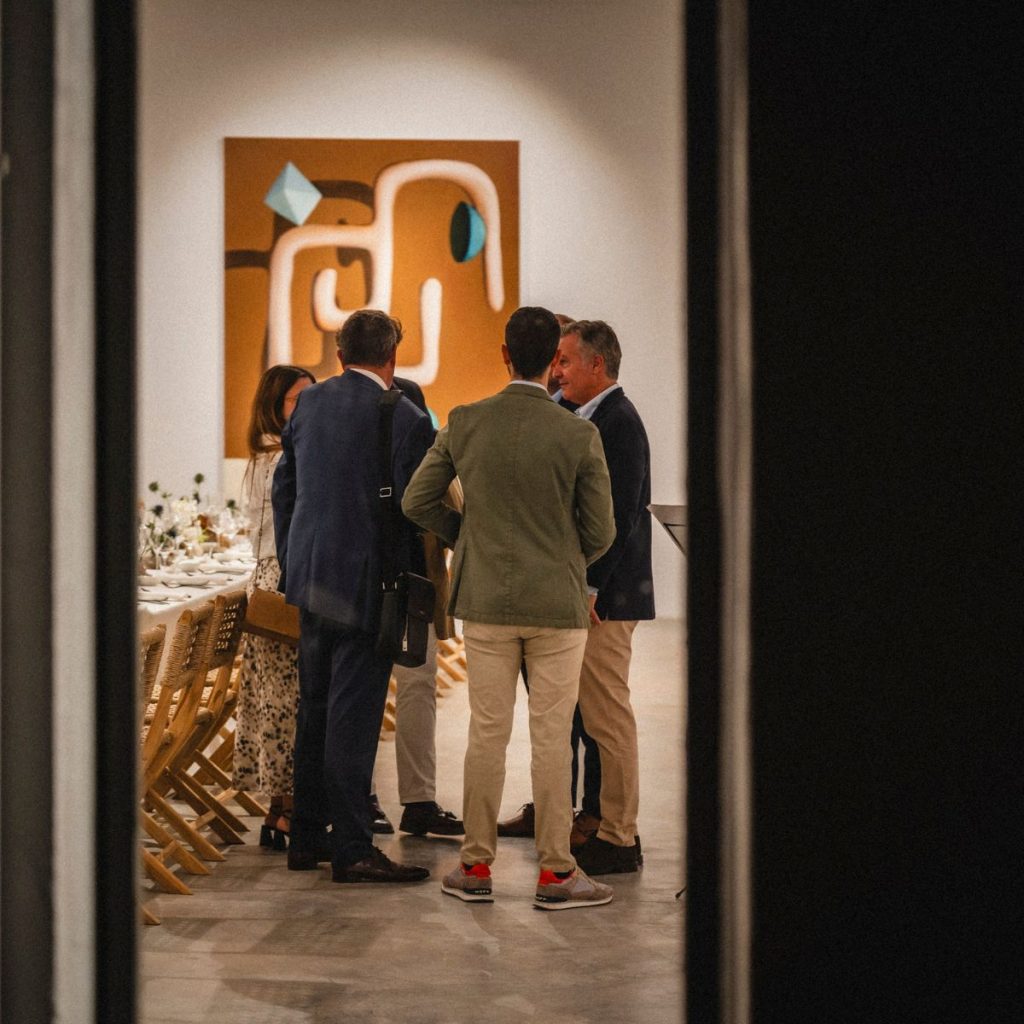
This is where we see guidance has become more relevant in terms of where to look (which art fairs to attend, which gallery opening or museum show to visit). It allows a certain structure, to follow to fully understand what you are looking for.
For us, it all about to accompany you on this process rather than define it. We create access to artists and galleries, provide context, and support collectors in translating their vision and aspirations into a framework that can evolve over time. This does not mean accelerating decisions. In many cases, it means slowing them down. It means allowing space for reflection, for comparison, and for returning to works that may not have felt immediately relevant, but remain present in a quieter way.
Collecting does not follow a linear path. It unfolds through encounters, through exhibitions, conversations, travel, and repeated exposure to different artistic works. A work that feels immediate at one moment may shift in meaning over time. Another may require distance before it becomes clear. This is not a lack of understanding, but part of the process itself. Art does not remain fixed, and neither does the person engaging with it.
“The best collections are not built to impress others, but to reflect a way of seeing.”
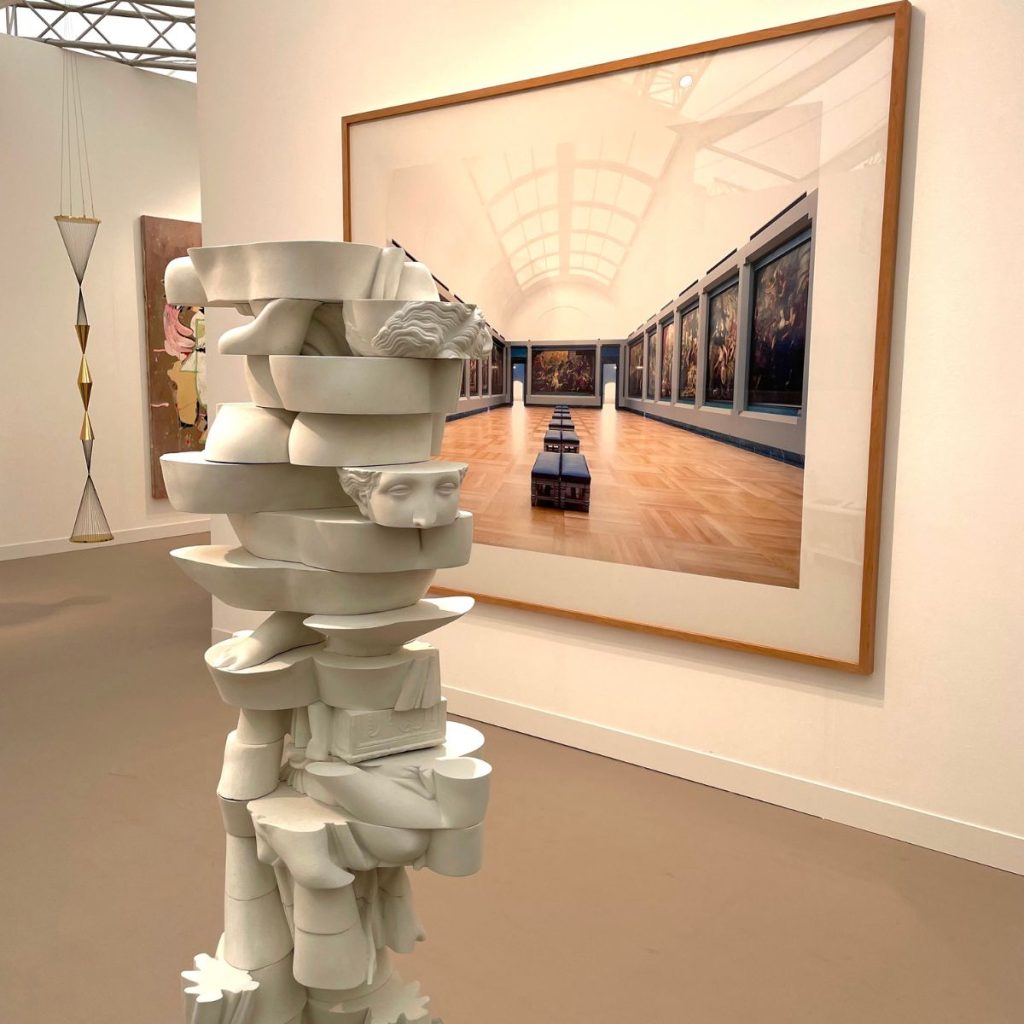
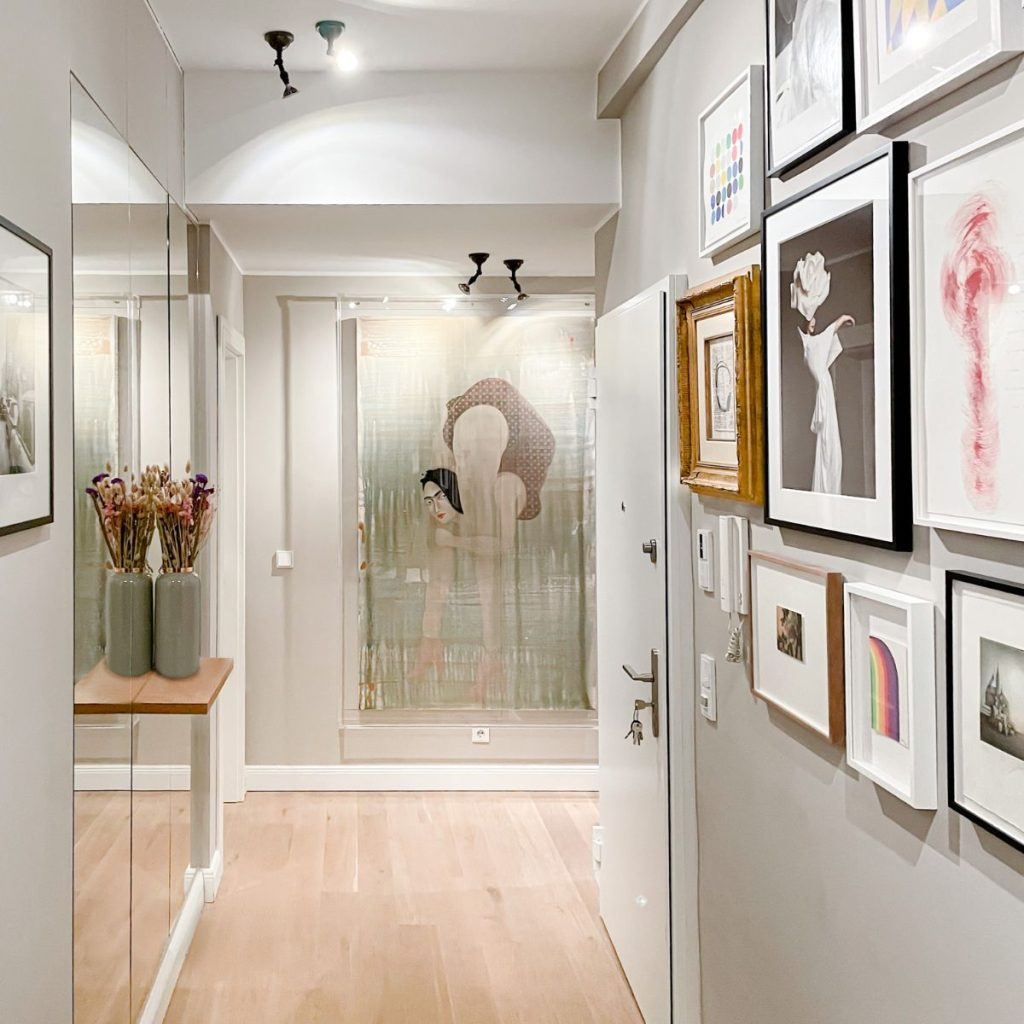
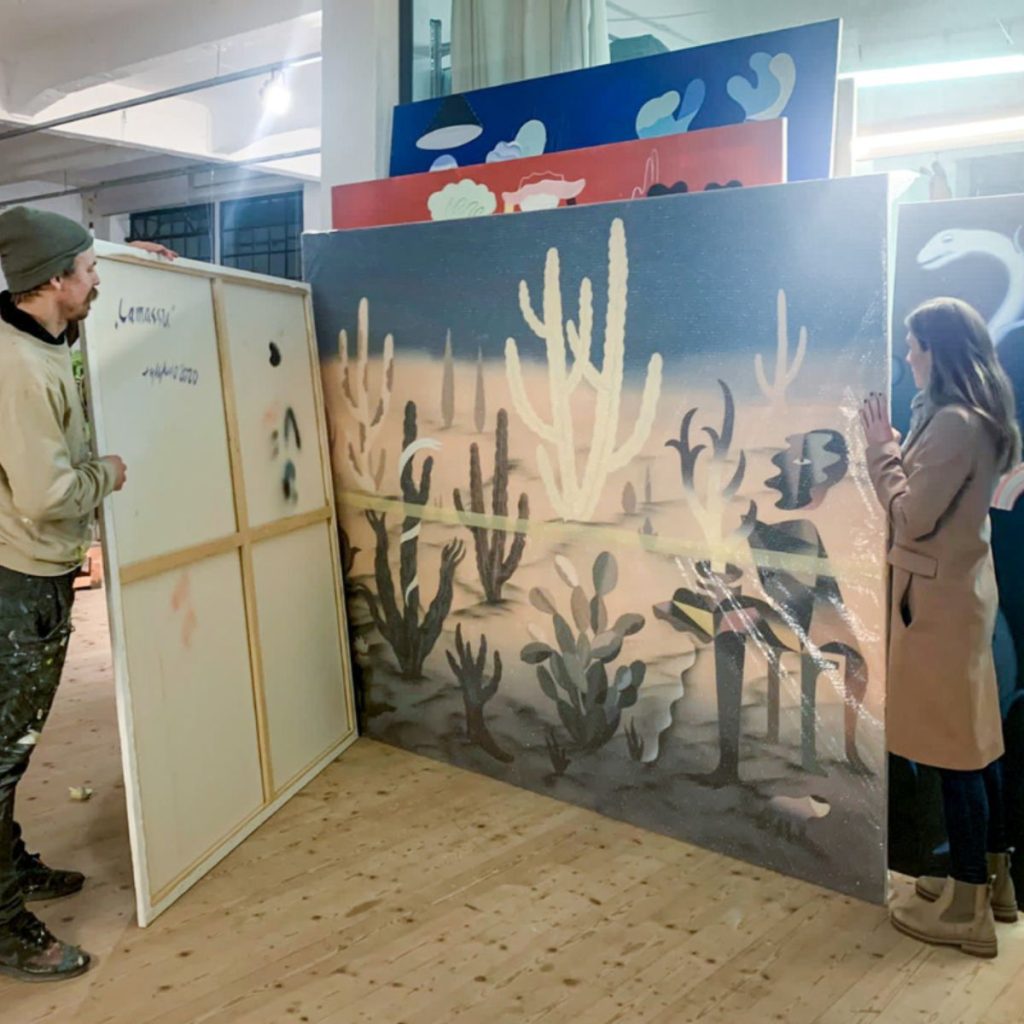
Over time, a collection begins to develop its own internal logic. Not necessarily through visual coherence, but through relationships that emerge between works. How they respond to one another. How they interact with the space they inhabit. How they reflect different phases of a collector’s life, different ways of seeing, different moments of recognition. What begins as a series of individual decisions becomes something more connected, and we love to experience this together with our collectors.
The environment in which artworks exist plays a significant role in this process. Works are not experienced in isolation, but in relation to light, to architecture, to daily life. They are encountered repeatedly, often without intention. In these moments, their meaning can shift. What once felt secondary may become central. What appeared immediate may recede. This ongoing interaction is what allows a collection to remain active and continues to inspire daily.
A collection is not something that is finished at a certain point. It continues to evolve, through new acquisitions, but also through changing perspectives. Through revisiting what is already there. Through understanding works differently over time. In many cases, the most significant development does not come from adding more, but from seeing more clearly.
This is one of the key learnings that continues to shape our work, over the past 12 years.
Collectors often believe that they need to reach a certain level of knowledge before they can begin. In reality, the process works in the opposite direction. Understanding develops through engagement. Through looking, returning, comparing, and reflecting. The collection grows alongside this understanding, not after it.
A collection is never finished. Its value lies not in completion, but in the way it continues to reflect a life still unfolding.