where a personal art collection begins
April marks a particular moment in the art calendar. Not yet defined by the intensity of early summer, but already carrying a sense of momentum. The first major gatherings of the year begin to take shape, offering a more focused, often more approachable entry point into the global art landscape. For collectors, this moment is less about pressure and more about orientation. It is a time to look, to refine one’s eye, to encounter artists and galleries without the urgency that often defines later months.
What becomes clear when moving through April fairs is that they offer a different pace. The scale is more measured, the conversations more open, the environment more conducive to discovery. This is precisely why we at VELVENOIR continue to emphasise their importance. Not as standalone events, but as part of a longer process. Because collecting does not begin with acquisition. It begins with exposure.
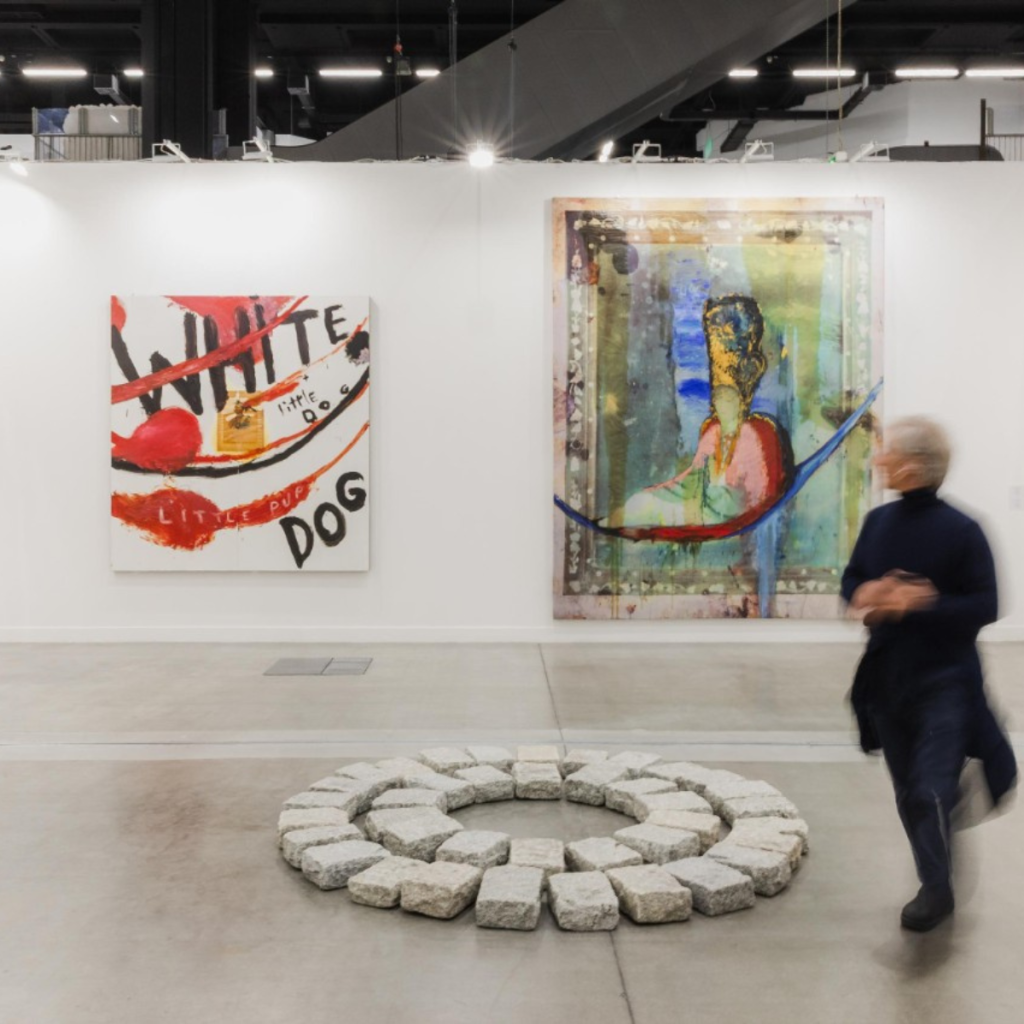
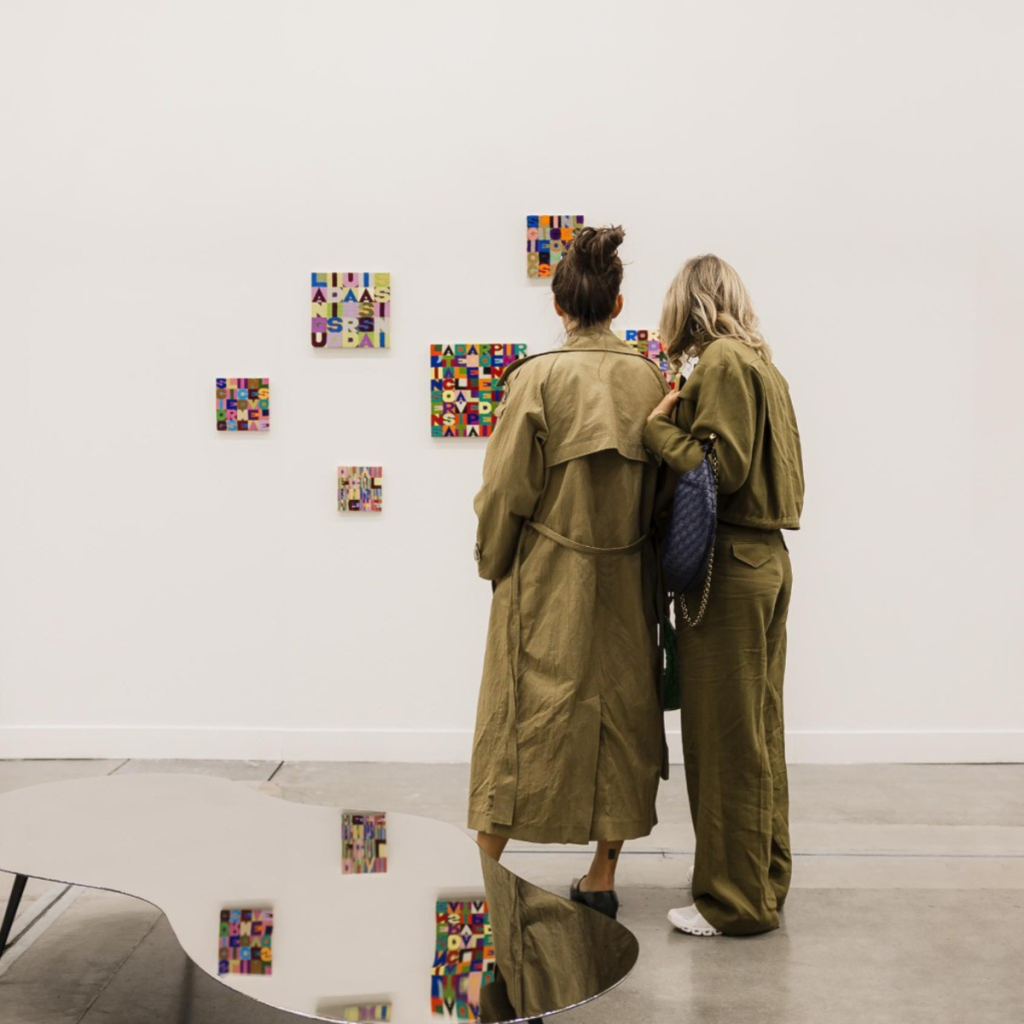
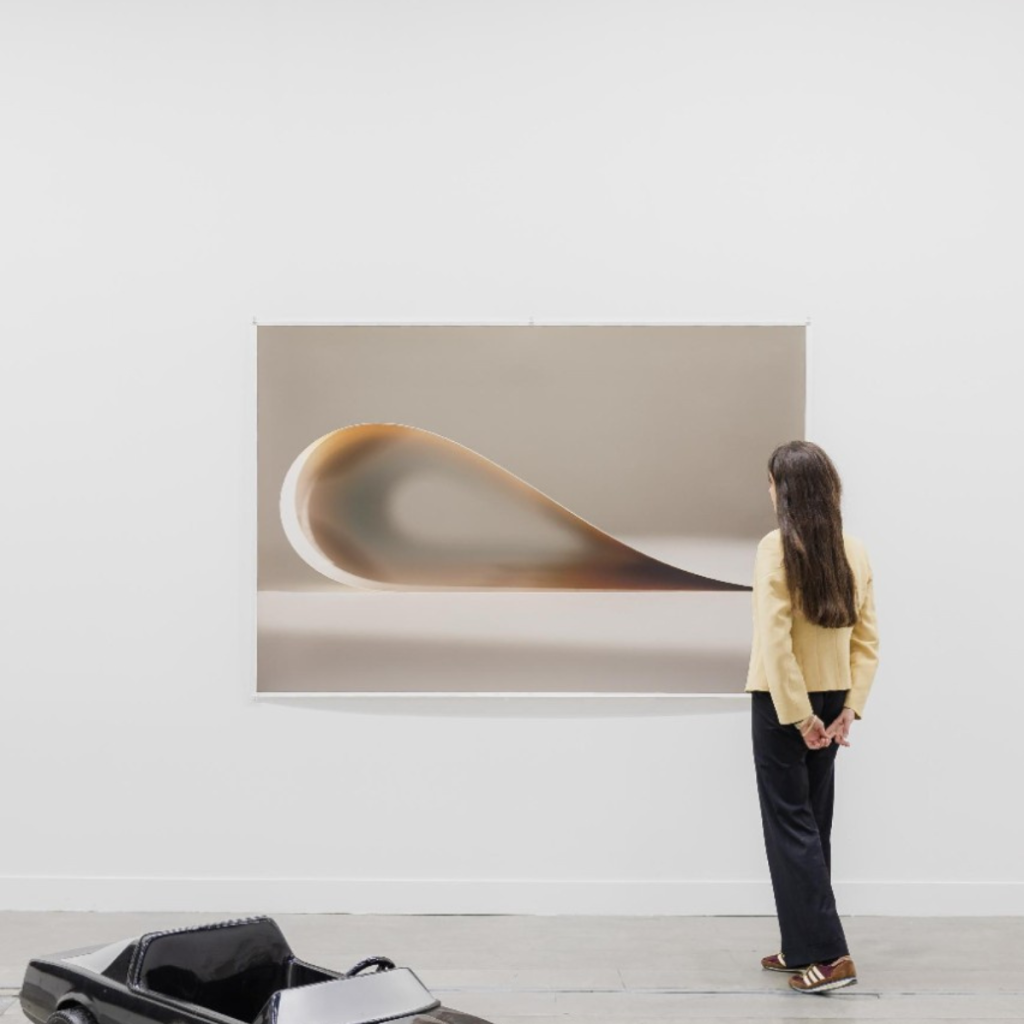
...TO UNDERSTAND HOW GALLERIES PRESENT THEIR ARTISTS, HOW POSITIONS EVOLVE, HOW CERTAIN WORKS CONTINUE TO RETURN IN ONE’S MIND.
Art Brussels is one of the strongest examples of this. The fair has developed a reputation for its focus on emerging and mid-career artists, presented through a carefully curated selection of international galleries. What defines it is a certain clarity. Sections such as “Discovery” or “Invited” allow collectors to engage with new positions in a structured way, without losing the sense of exploration. It is a fair where one begins to understand how galleries position artists, how practices evolve, and where future trajectories may unfold.
Paris, starting this week offers a different dynamic. Art Paris, held at the Grand Palais Éphémère, bridges modern and contemporary positions with a distinctly European perspective. The fair is less about immediacy and more about context. It allows collectors to see how artists are placed within broader narratives—geographically, historically, culturally. This layering creates a different kind of engagement. One that is less driven by instinct alone and more by understanding.
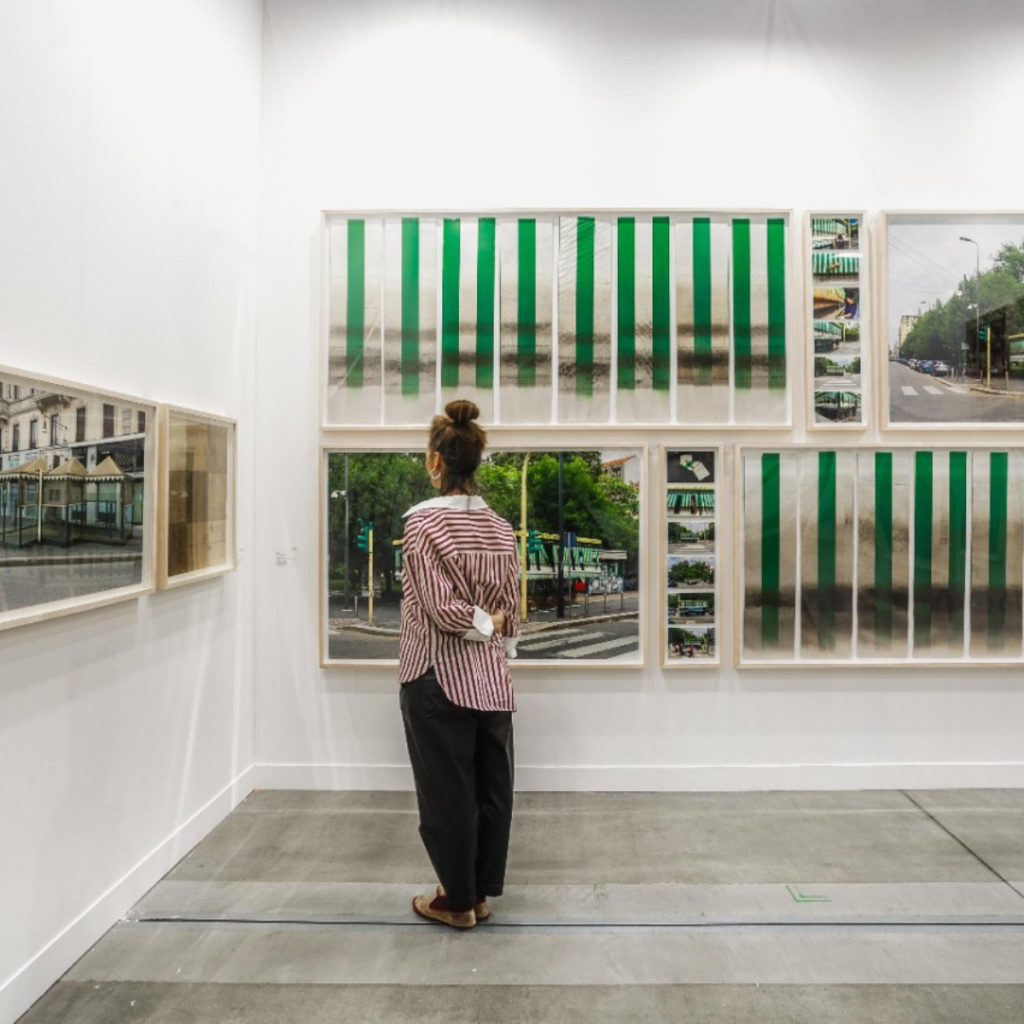
In Milan, miart continues to refine this balance further. What makes the fair particularly relevant in April is its ability to connect modern and contemporary works in a way that feels seamless rather than segmented. For collectors, this creates an opportunity to develop a more nuanced perspective. To see how different periods speak to each other, how a contemporary position may sit in dialogue with a historical one. It is a fair that encourages looking beyond categories.
Further south, SP-Arte in São Paulo introduces a different geography into this moment. It expands the field of reference, bringing forward galleries and artists from Latin America alongside international participants. What emerges here is not only access, but perspective. For collectors, it is an opportunity to encounter practices that are often underrepresented in European circuits, and to understand how regional contexts shape artistic production.
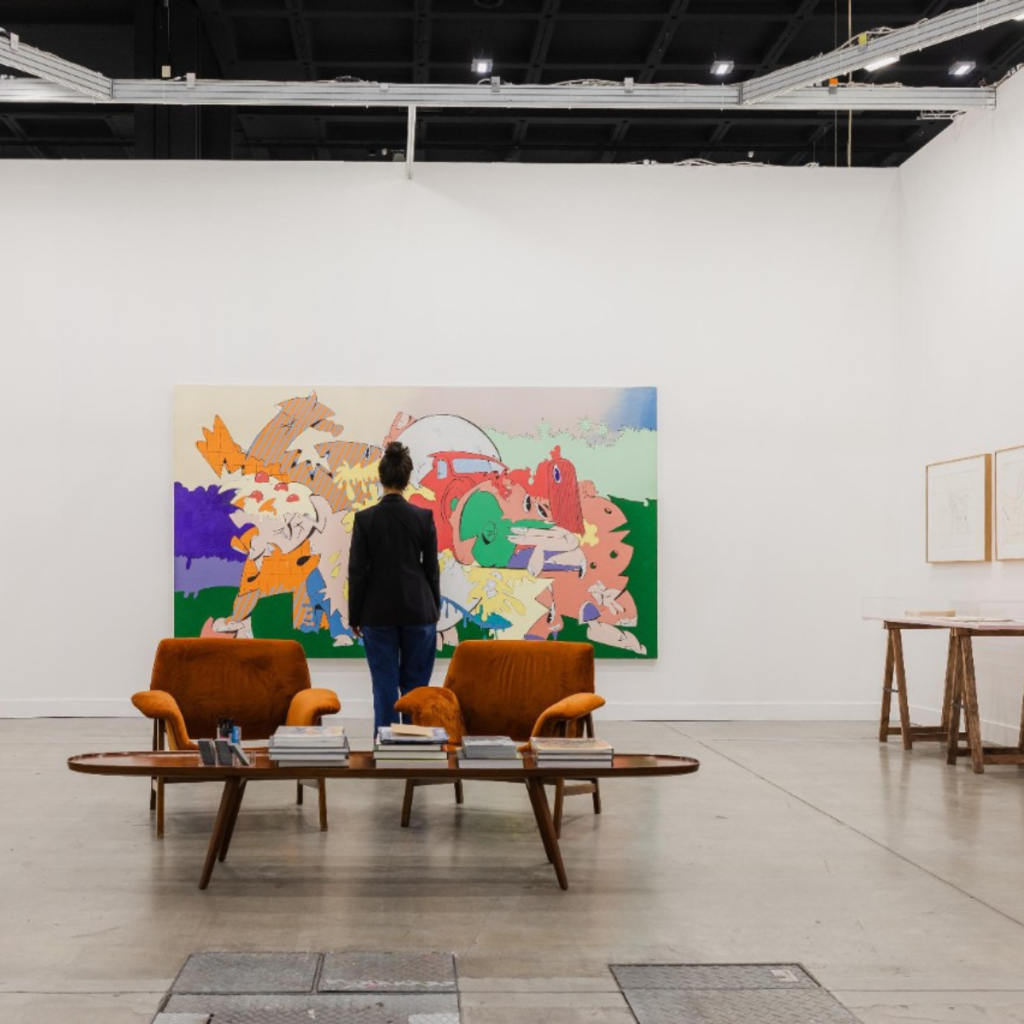
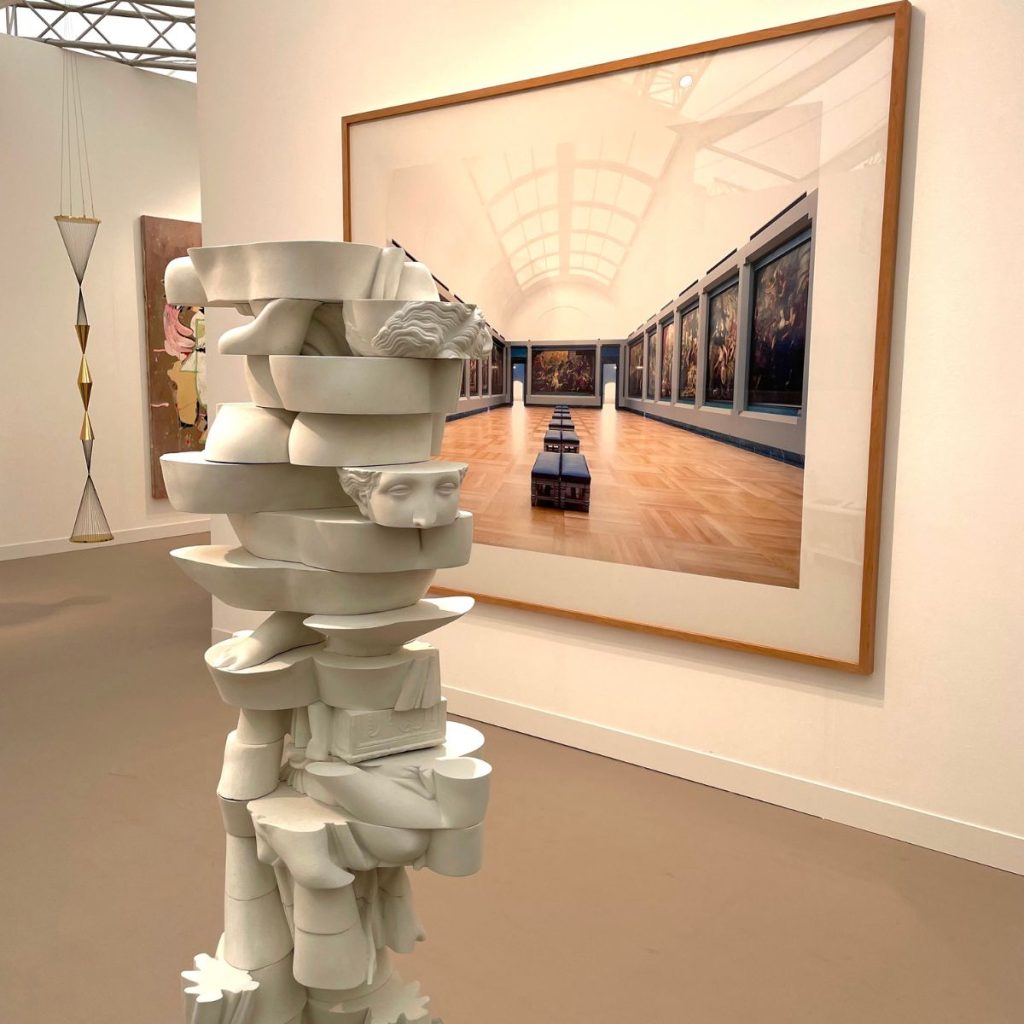
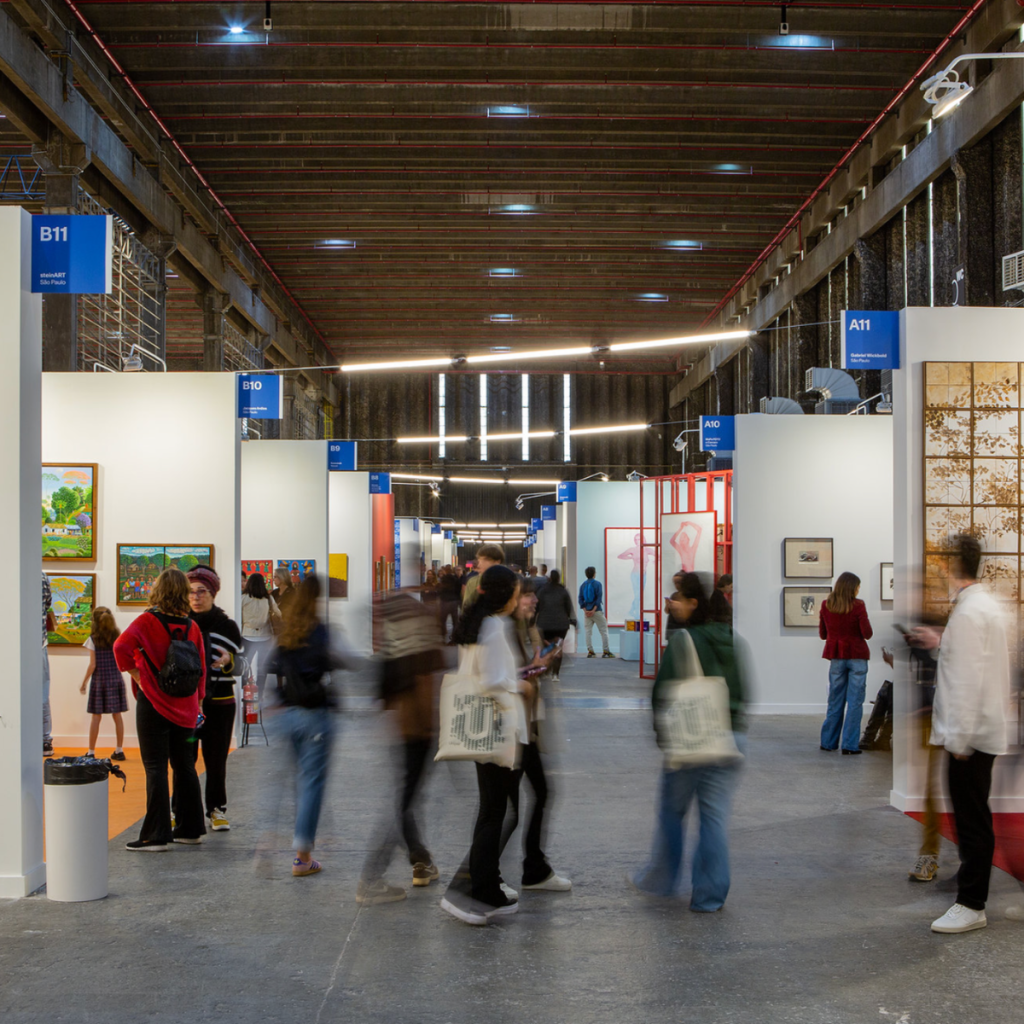
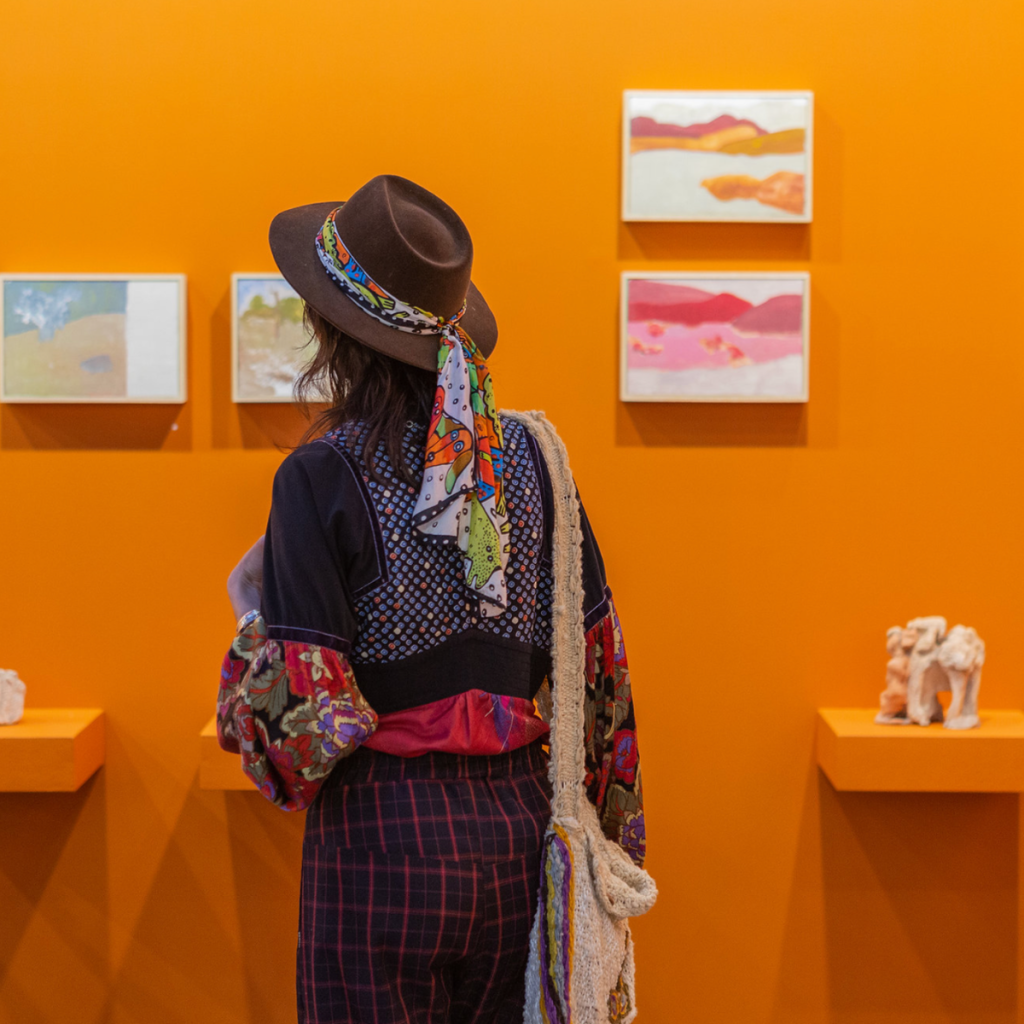
Access to artists, to galleries, to conversations that are often more direct, more personal, more open. And this is where their value lies. Because one of the most consistent learnings across our work is that a strong collection is not built through isolated decisions. It develops over time, through repeated exposure, through understanding, through a growing sensitivity to what resonates and why.
At VELVENOIR, we see art collecting as a journey that unfolds gradually. It is shaped by encounters, travel, conversations, exhibitions, moments that accumulate rather than conclude. Visiting fairs such as these becomes part of that process. Not necessarily to acquire, but to train the eye. To recognise quality. To understand how galleries present their artists, how positions evolve, how certain works continue to return in one’s mind.