THE UNUSED POTENTIAL OF EXISTING ART COLLECTIONS
Most existing art collections in hotels suffer from a quiet misjudgment: they are treated as completed outcomes rather than as active cultural assets. Once installed, they are considered resolved: budget closed, walls filled, concept delivered. It is a logical endpoint from a project perspective. It is also exactly where much of their potential is lost. Because an art collection does not end at installation. That is where it begins.
What follows in many properties is a gradual shift into passivity. The works remain in place, but their context fades. Guests pass them without entry points. Staff lack the language to engage with them. The collection becomes part of the visual background: present, but not participating. This is not a question of quality. Many of these collections are carefully built, often with strong artists and thoughtful curation. The gap lies elsewhere. It lies in what happens after completion, and more precisely, in what does not happen.
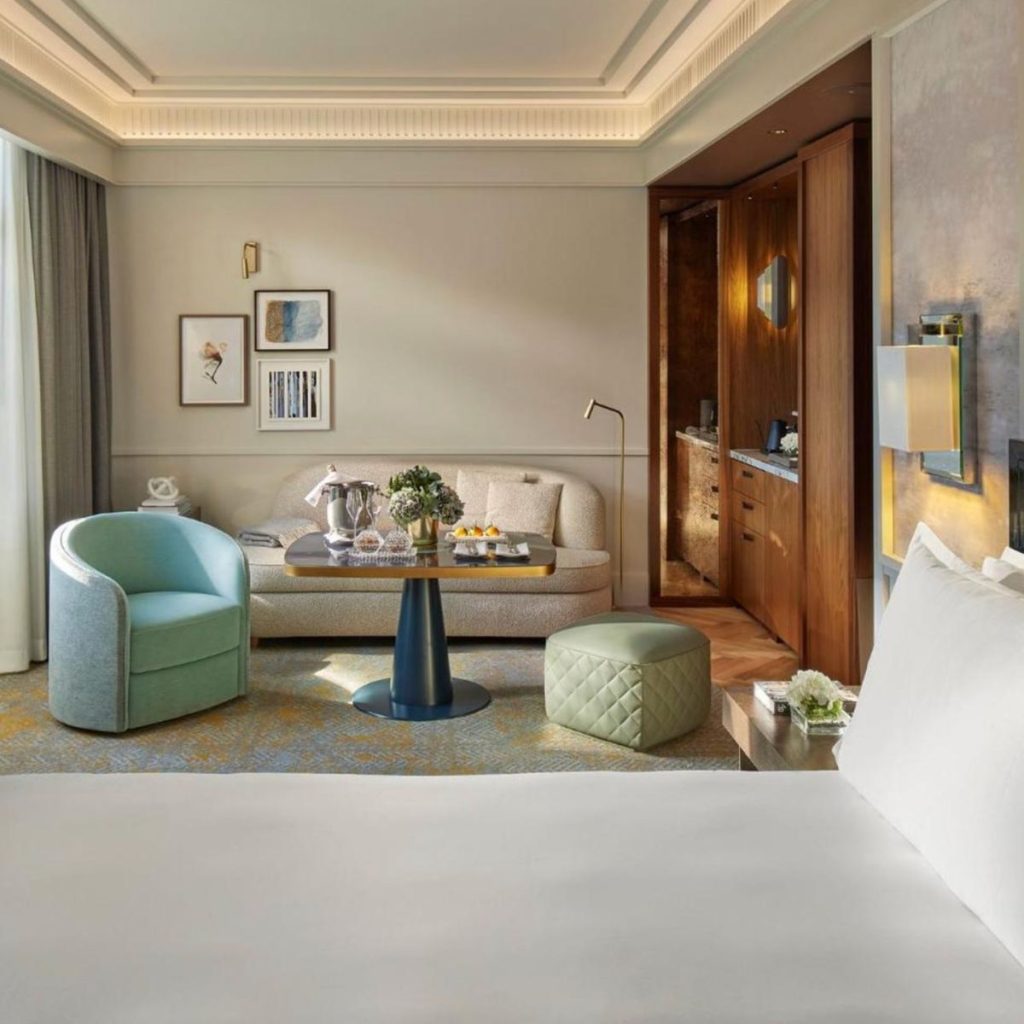
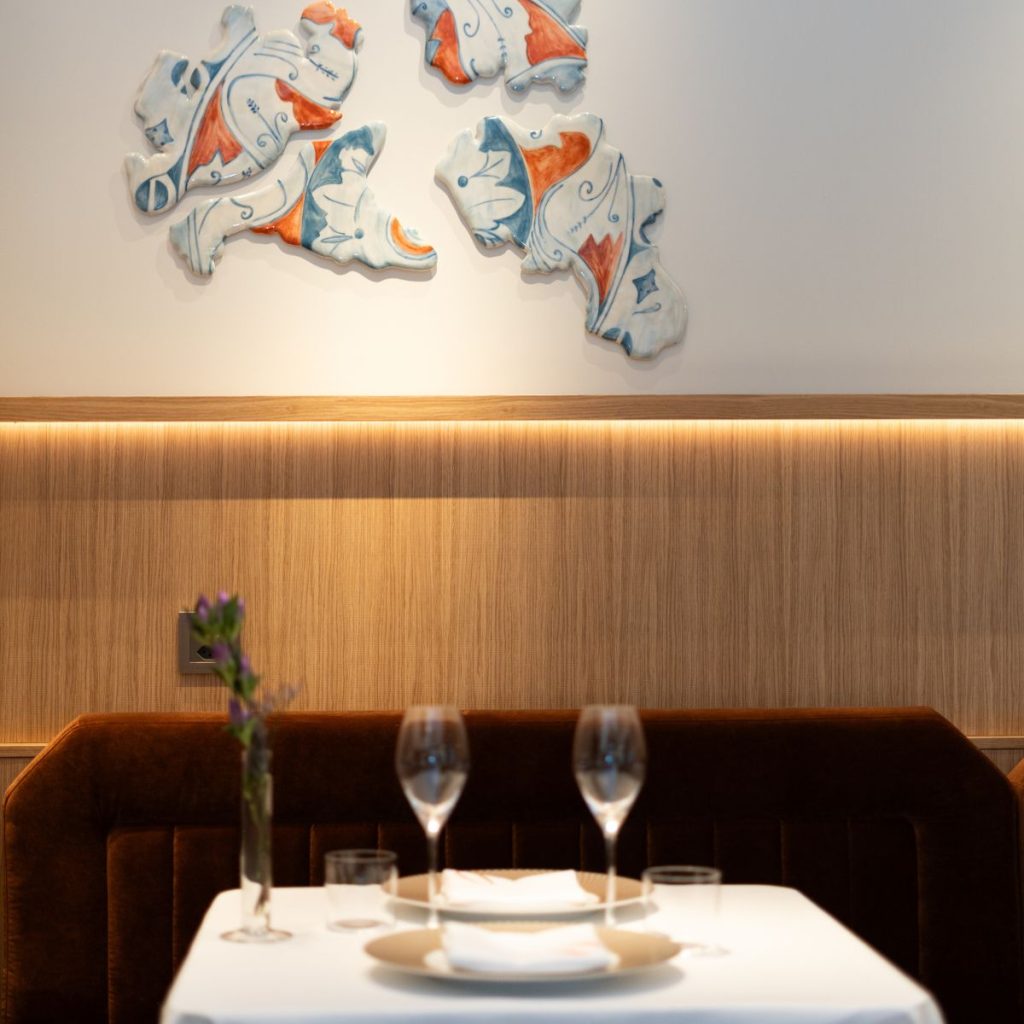
An art collection is inherently dynamic. Even without physical additions or changes, it continues to develop over time.
Light shifts across surfaces throughout the day. Guest movement creates different points of encounter. The cultural position of the artists develops, through exhibitions, institutional recognition, broader discourse. The environment around the work changes, and with it, the way the work is perceived. When this dynamic is not acknowledged, the collection remains underused. Not because it lacks substance, but because it is no longer activated.
This is particularly visible in hospitality, where collections are built to shape experience but are rarely integrated into its ongoing structure. 21c Museum Hotels offers a clear counter-model. Their collections are not static installations but continuously activated through guided tours, and open access to local audiences. The hotel becomes an extension of a museum context, allowing artworks to remain in circulation, intellectually and socially, rather than settling into the background. Guests do not only encounter art; they enter into an ongoing dialogue with it.
A similar approach can be observed at The Peninsula Hotels, where the “Art in Resonance” programme expands the role of the collection beyond display. Commissions are paired with programming, artist talks, installations, private dining experiences within artworks, and curated encounters that bring guests into direct contact with artistic practice. What becomes visible here is that the collection is not treated as a fixed asset, but as something that continues to unfold through interaction. Guests are invited to share via IG through the #PenMoments their experiences.
The question, then, is not how to add more art, but how to work with what already exists. In many cases, the most effective shift begins with something simple: revisiting placement.
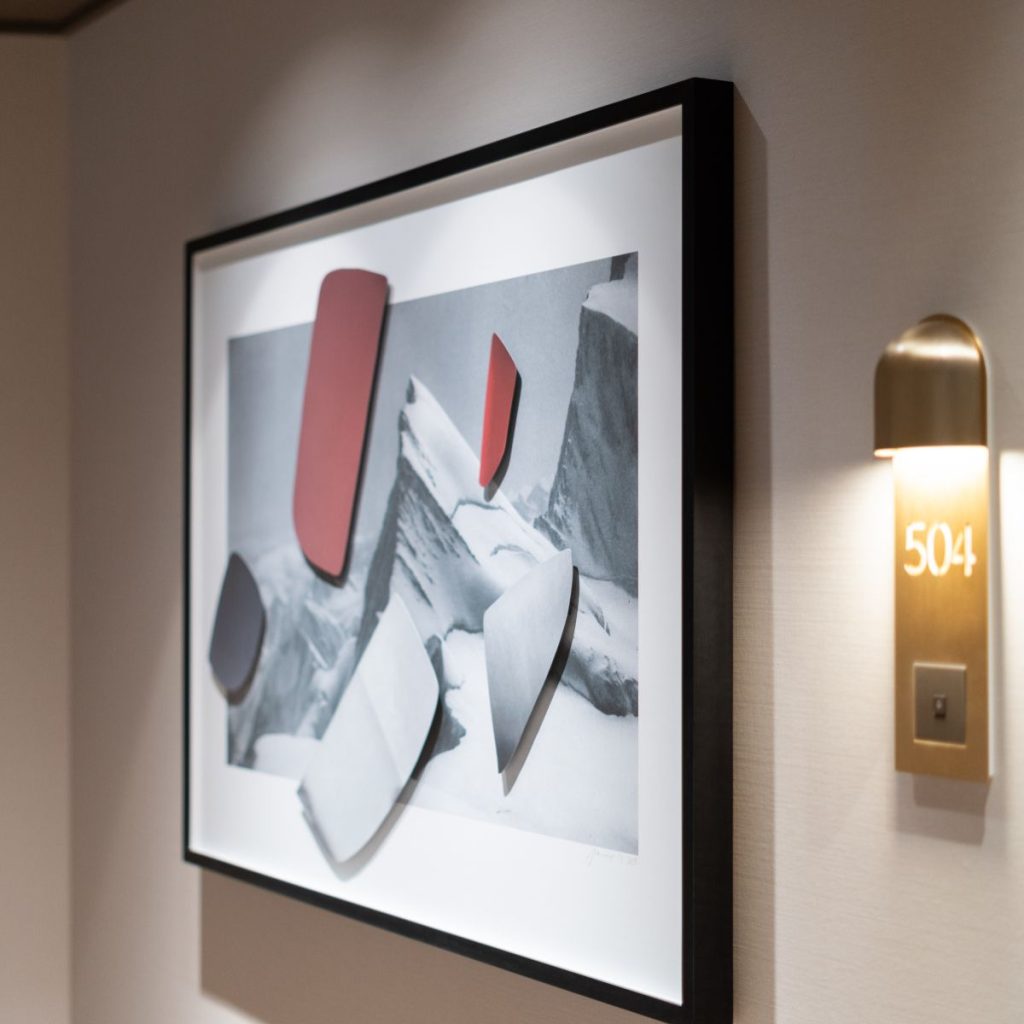
A work that has remained in the same position for years can change entirely when moved. Sightlines adjust. Light conditions reveal different aspects. Relationships between works become visible. What felt resolved begins to open again. This is not a matter of redesign, but of re-seeing. It allows the collection to move without expansion.
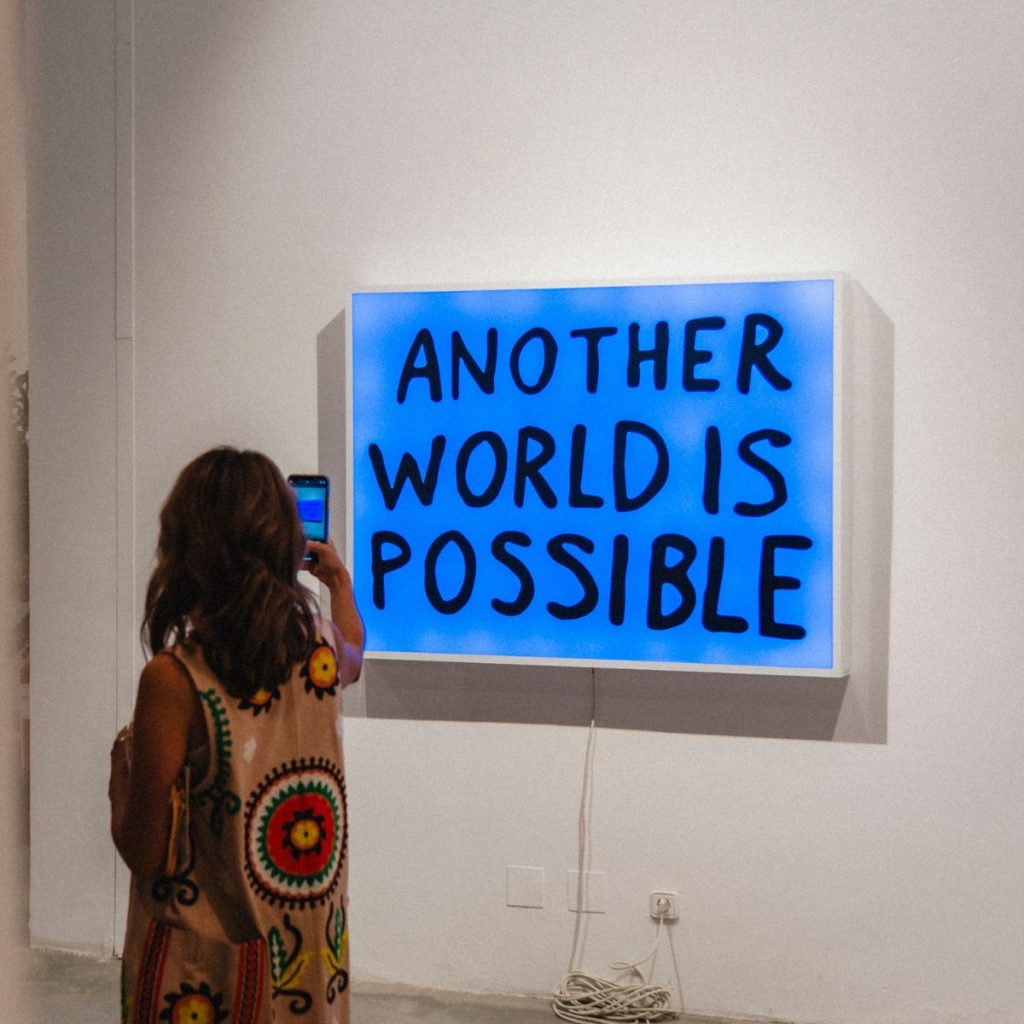
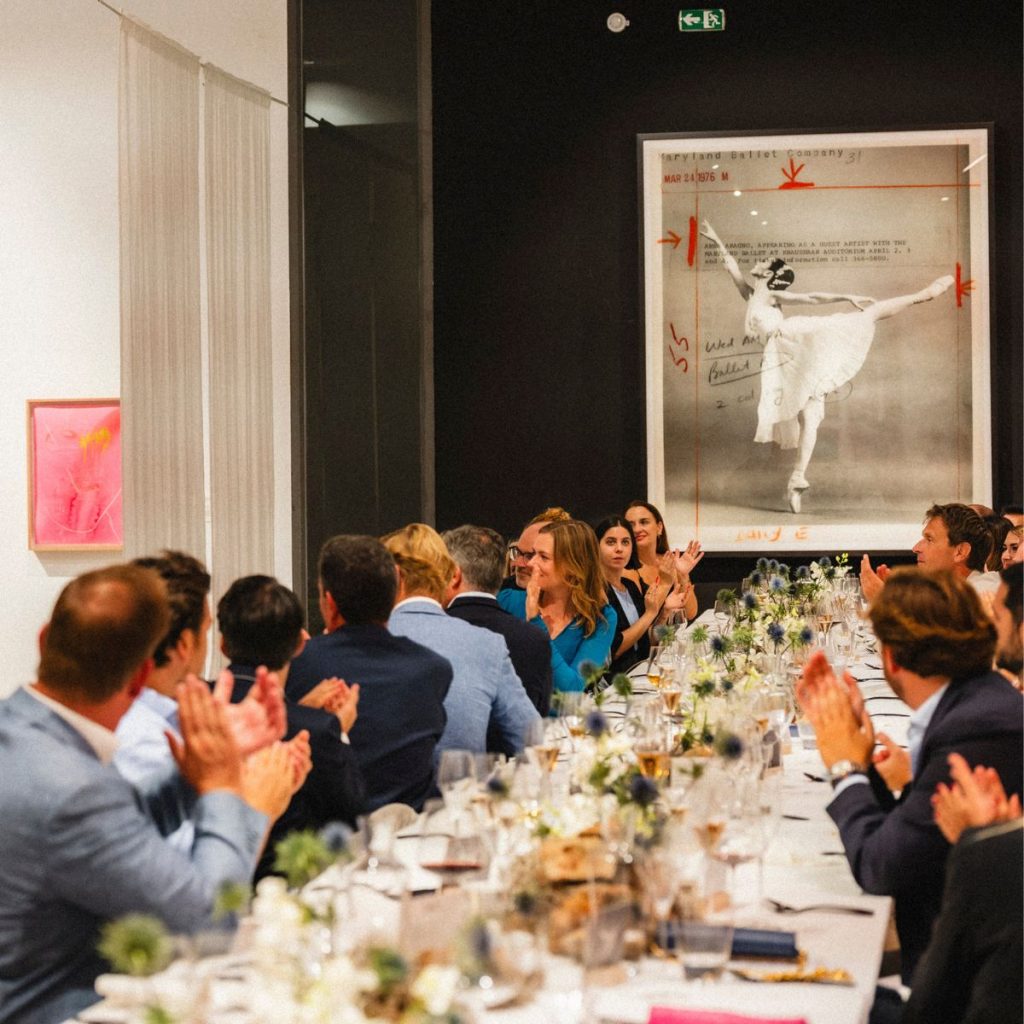
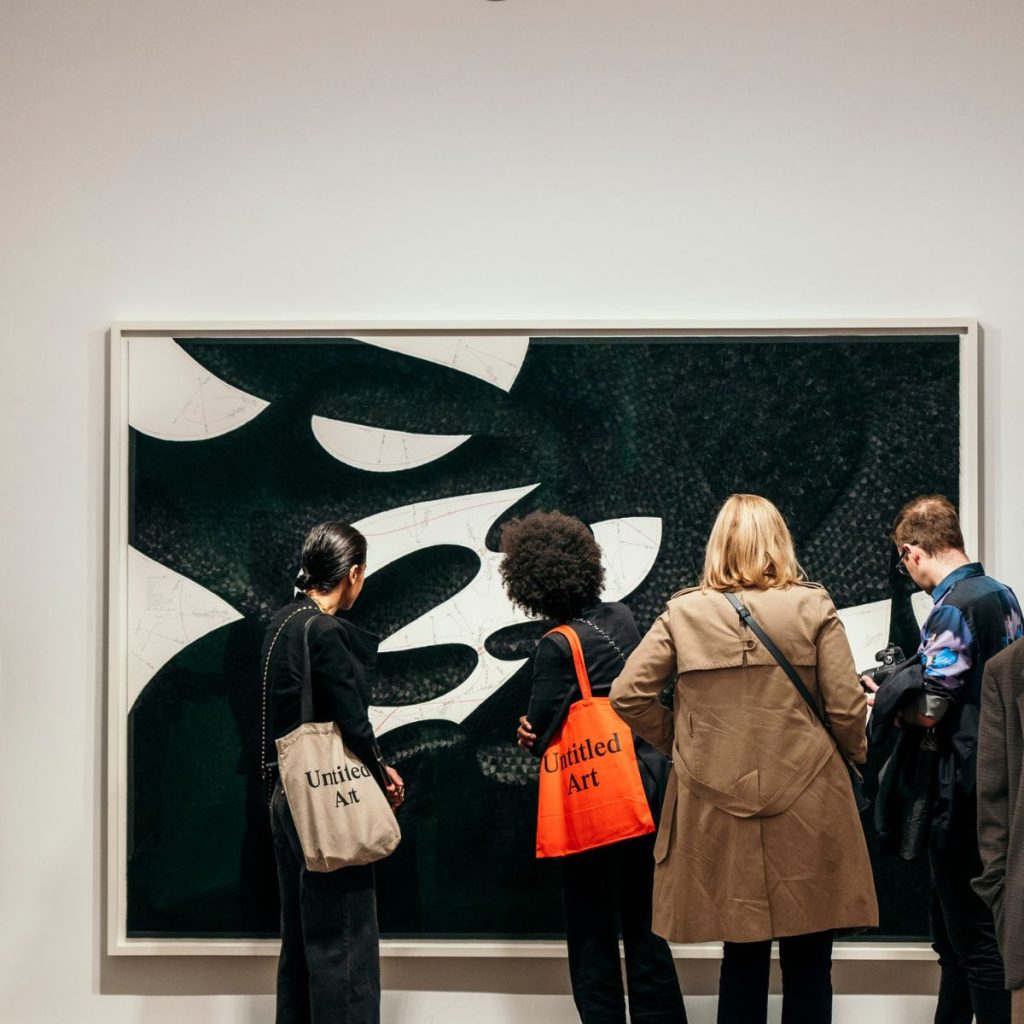
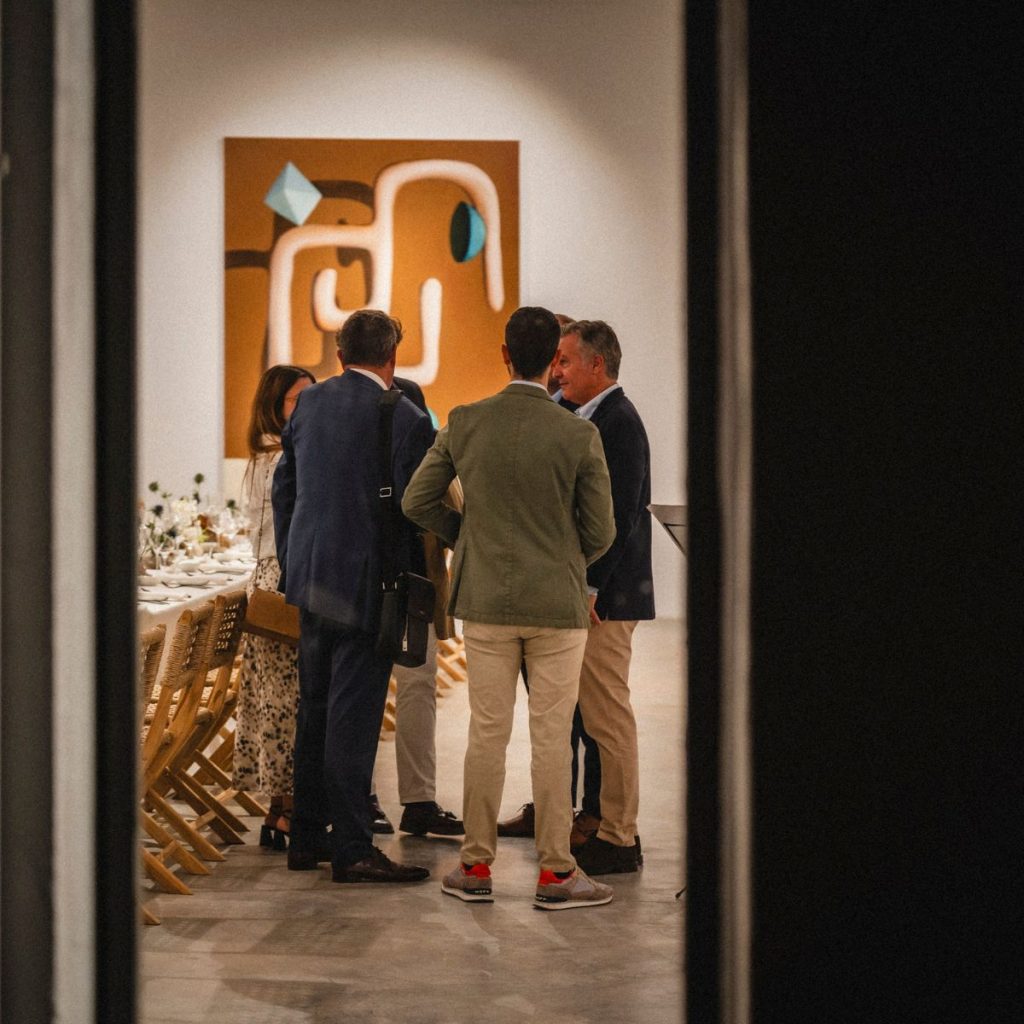
It shifts the role of the collection from something that is seen to something that is experienced. It allows the work to remain present not only physically, but culturally—within conversations, within memory, within the identity of the hotel itself. This is where the real opportunity lies. Not in expanding collections, but in deepening them.
Because most collections already contain far more than is being used. They hold relationships with artists and galleries, narratives connected to place, layers of meaning that have not yet been accessed. To work with these layers is to shift from accumulation to engagement—from adding more, to seeing and experiencing more. And in doing so, the collection begins to operate differently. Not as a fixed installation, but as a living cultural layer within the space from social media to the post cards or turn-down cards and booklets to read while enjoiyng breakfast.