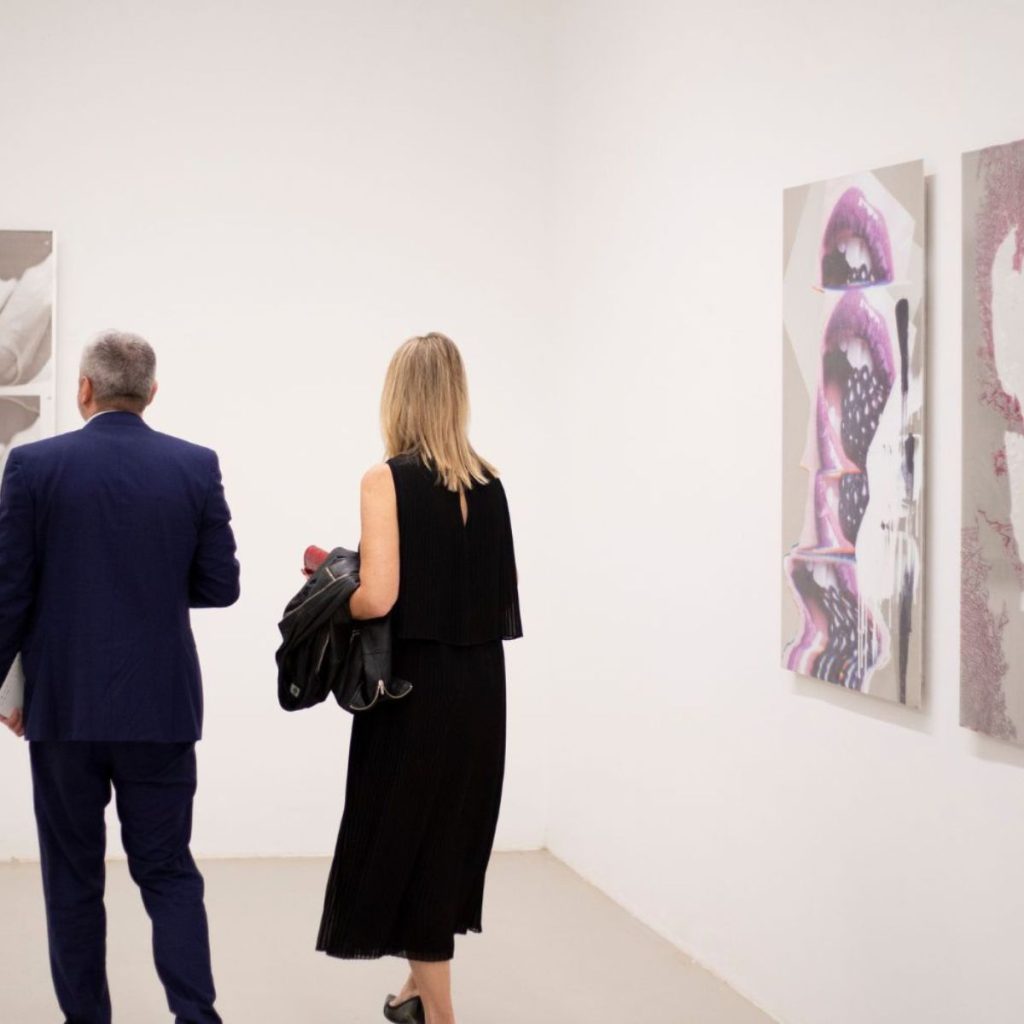
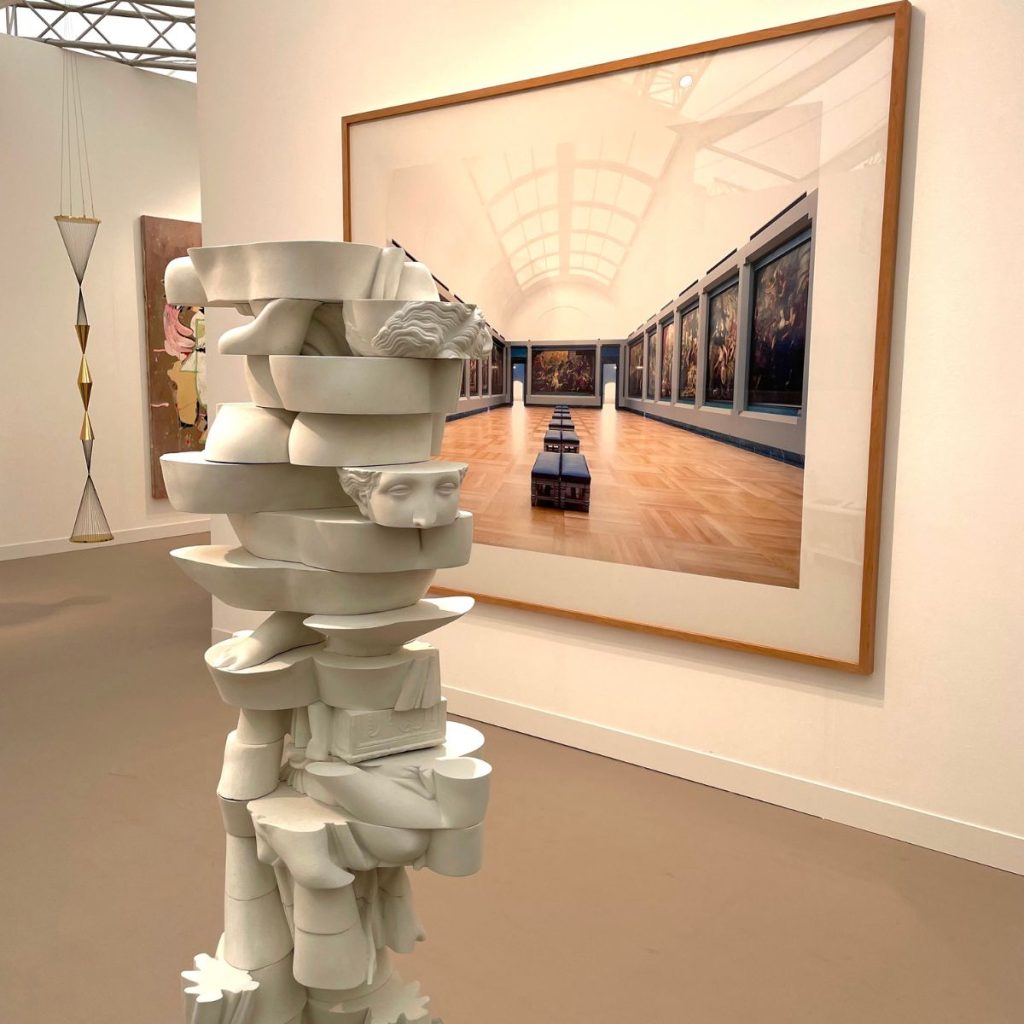
When does a collection actually begin?
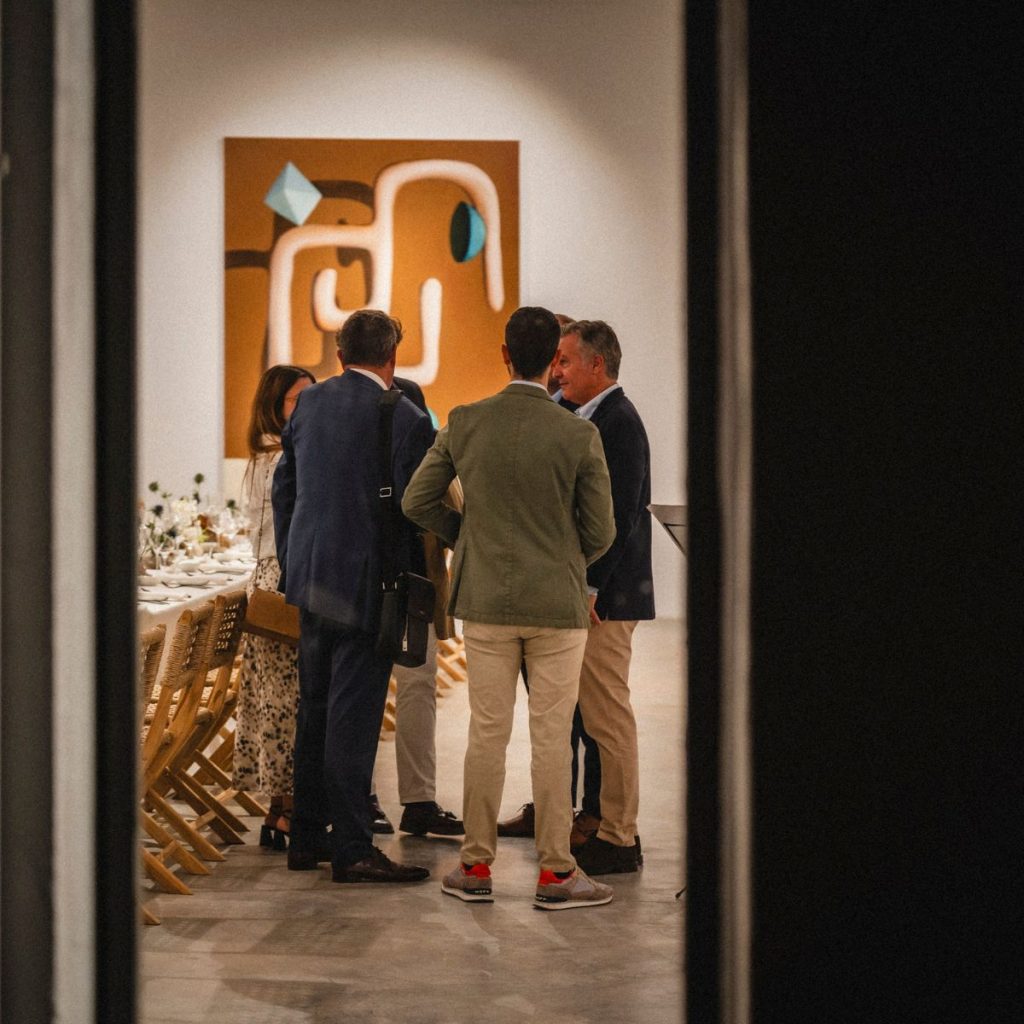
Rarely with the first acquisition. More often, it starts earlier—with a moment that shifts perception. A work encountered during travel. A conversation that is still in your mind, after a private dinner you attended. A visit that stays with you without immediate explanation.
“I am not an art collector. I am a museum.” — Peggy Guggenheim
What follows is not a defined path, but a gradual way of seeing differently. An attentiveness to what holds relevance, what endures, and what begins to connect over time.
For us, collecting is understood as a process shaped by these encounters. Not driven by immediacy, but by continuity. A collection emerges through places, people, and perspectives that accumulate over time, forming something that reflects both experience and evolution.
“The best reason to buy a work of art is because you can’t live without it.” — Eli Broad
This is where collecting diverges from acquisition. Acquisition is immediate, often driven by certainty. Collecting is not. It requires a different pace. A willingness to stay with a work, to live with it, to allow it to reveal itself gradually. What feels compelling in one moment may shift in another. A piece that initially appears quiet may become central over time. Another may recede, only to return later with a different kind of relevance. This movement is not accidental. It reflects the fact that art does not exist in isolation, and neither does the person living with it. Both evolve, and the relationship between them evolves with it.
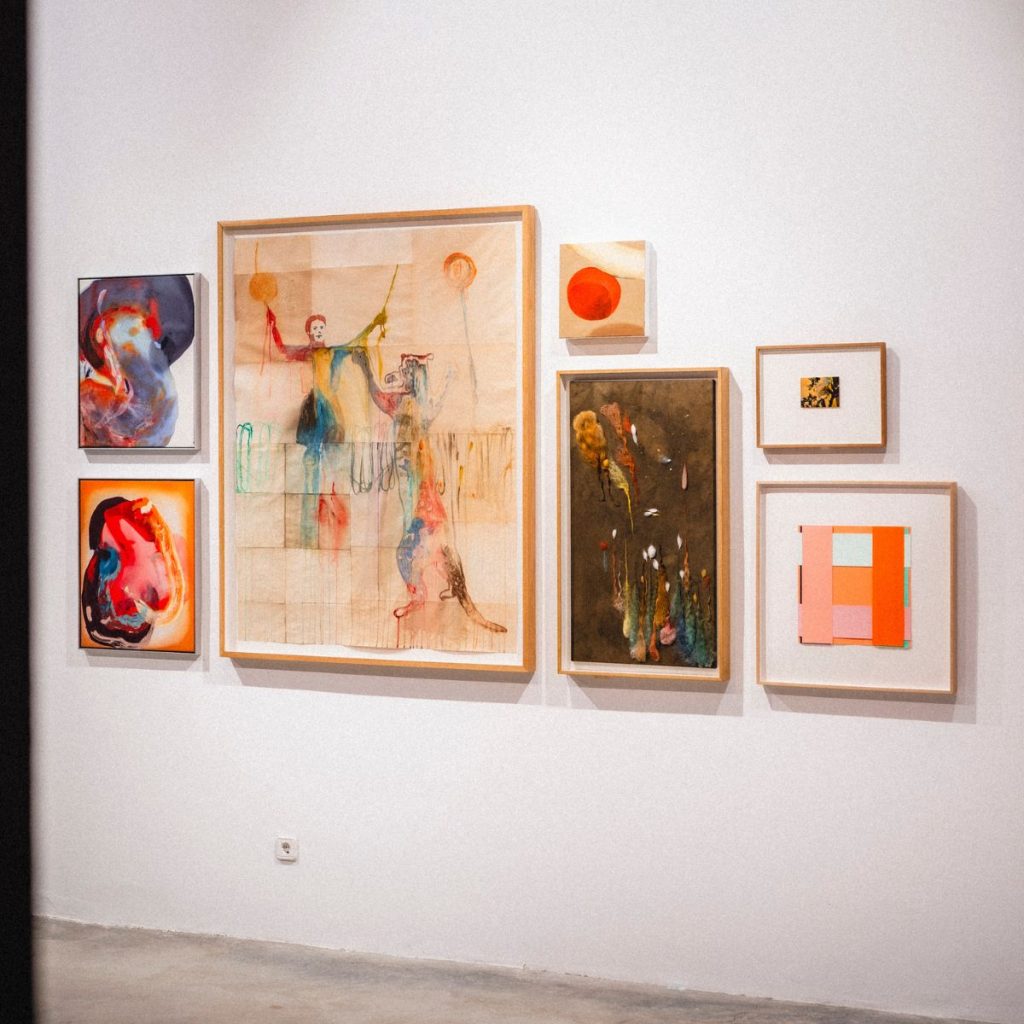
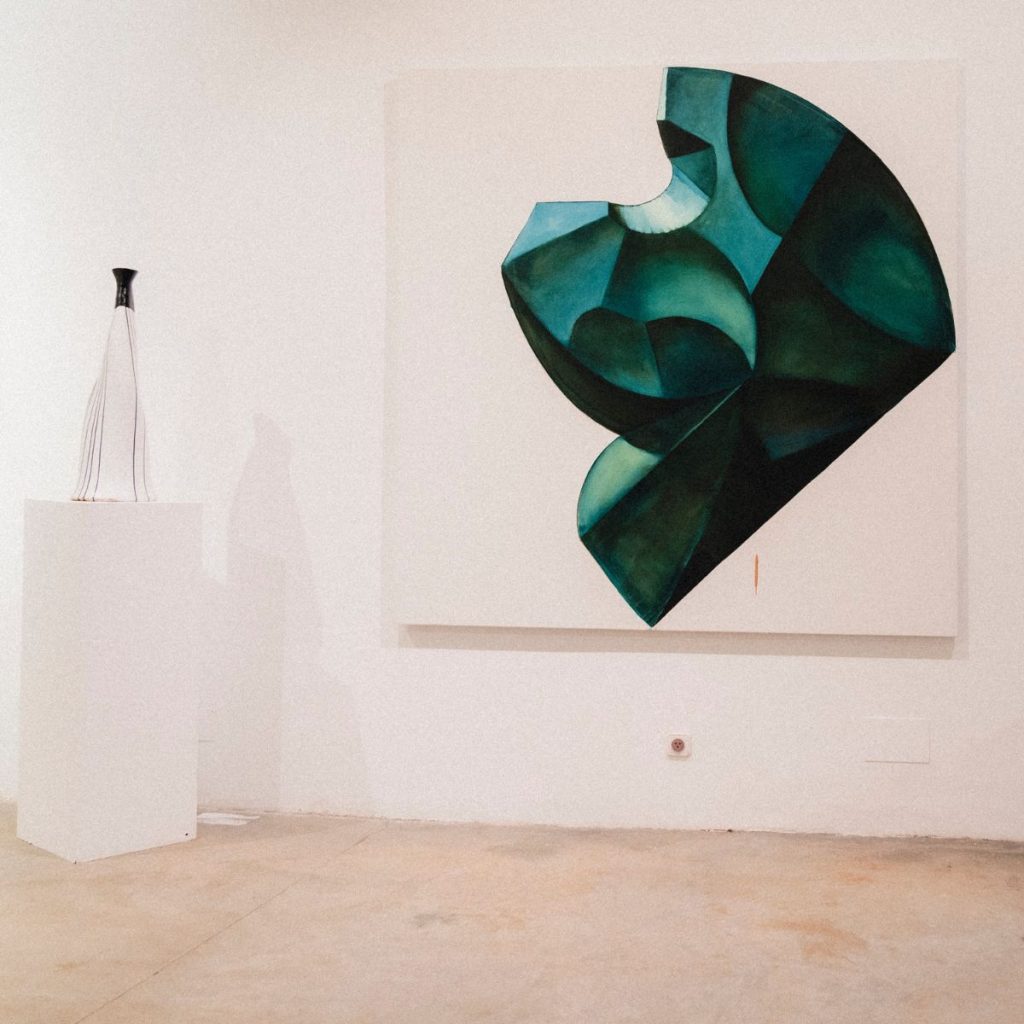
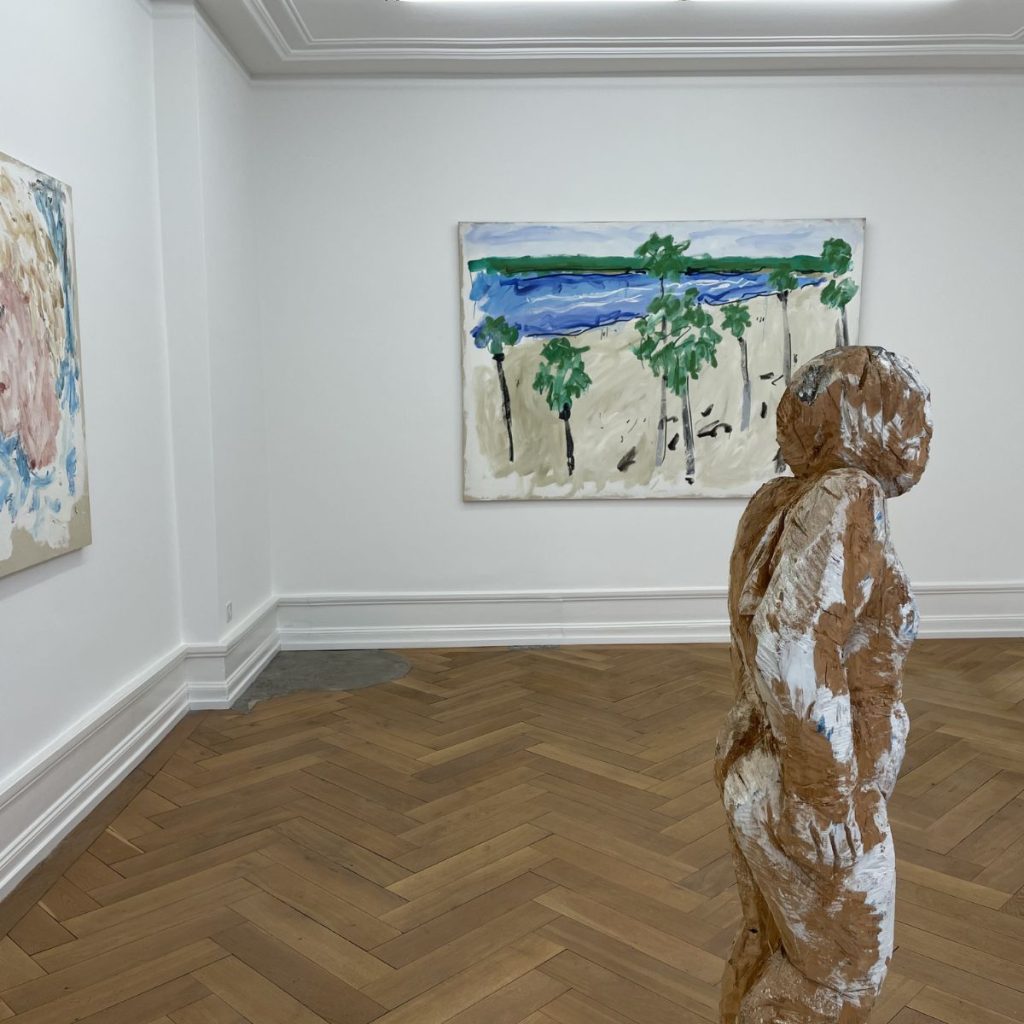
Over time, a collection begins to take shape—not through a predefined concept, but through a series of decisions that are connected by something less visible. It becomes a dialogue. Between works. Between artists. Between the collection and the space it inhabits. What matters is not uniformity, but a sense of coherence that emerges naturally. Works begin to relate to one another in unexpected ways. They respond to light, to architecture, to the rhythms of daily life. A piece seen in the morning carries a different presence at night. A work placed in one room shifts entirely when moved to another. Collecting, in this sense, is not fixed. It is a process of continuous adjustment, of seeing again, of allowing the collection to remain open.
Many collectors arrive with the belief that they need to know more before they begin. To understand the market, to identify the right artists, to make the right decisions from the outset. But knowledge alone does not build a collection. What matters is attention. The ability to recognise what draws you in, and to stay with that recognition long enough for it to develop into something more substantial. This is where guidance becomes valuable—not as direction, but as a framework. At VELVENOIR, our role is to accompany this process. To create access, to provide perspective, to translate instinct into structure without replacing it. Sometimes that means moving forward with clarity. Sometimes it means waiting. Sometimes it means returning to a work that did not seem relevant at first, but has remained present in a quieter way.
“Buy what you love, and you’ll never go wrong.” — Charles Saatchi
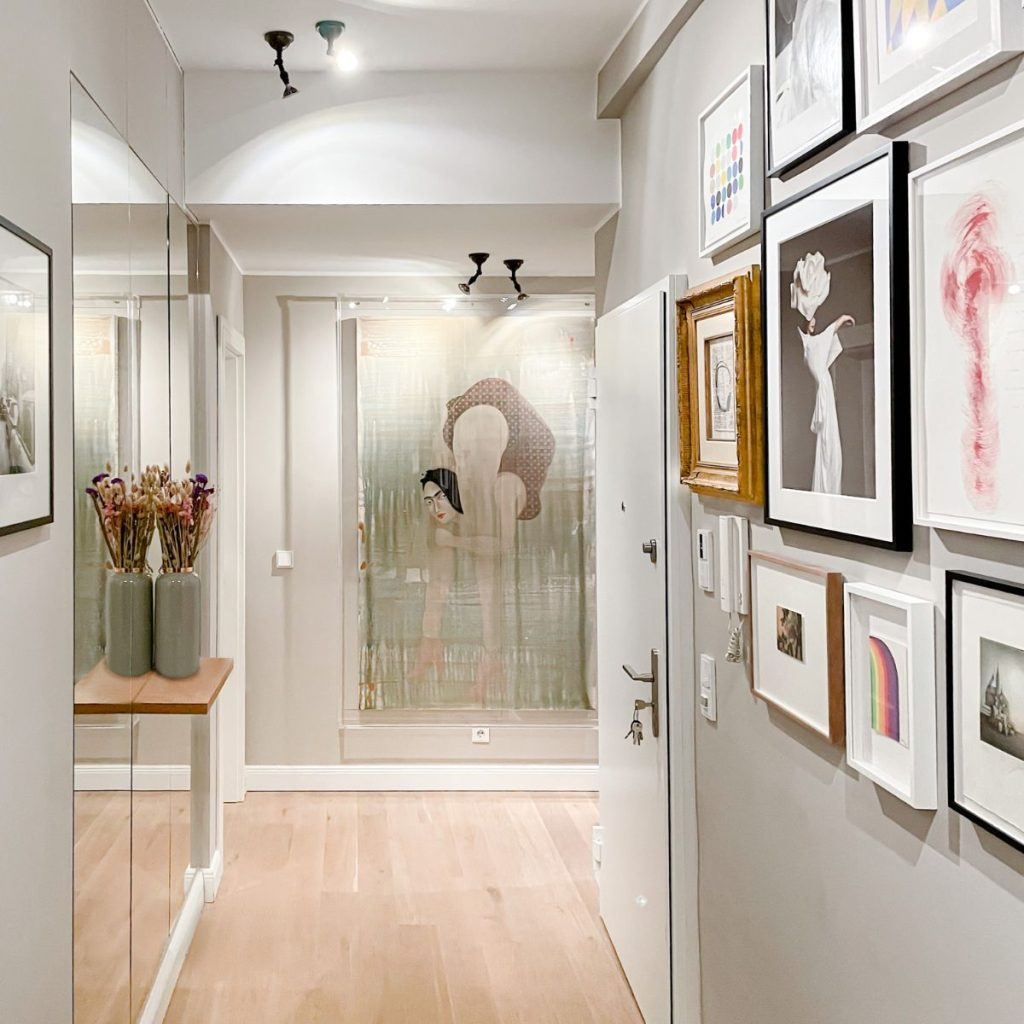
At a certain point, collecting becomes less about ownership and more about coexistence. Art enters daily life quietly—encountered in passing, understood differently over time, shaping how a space is felt rather than simply seen.
And perhaps this is the most important shift. A collection is not defined by what it contains at a given moment. It is defined by how it continues to grow, to adapt, to remain open. There is no final point at which it is complete. It carries traces of where you have been—of travels, of conversations, of encounters that have shaped your way of seeing. It moves forward with you, not as a fixed body of work, but as an evolving narrative that reflects both continuity and change.
A collection is never finished. Its value lies not in completion, but in the way it continues to reflect a life still unfolding.