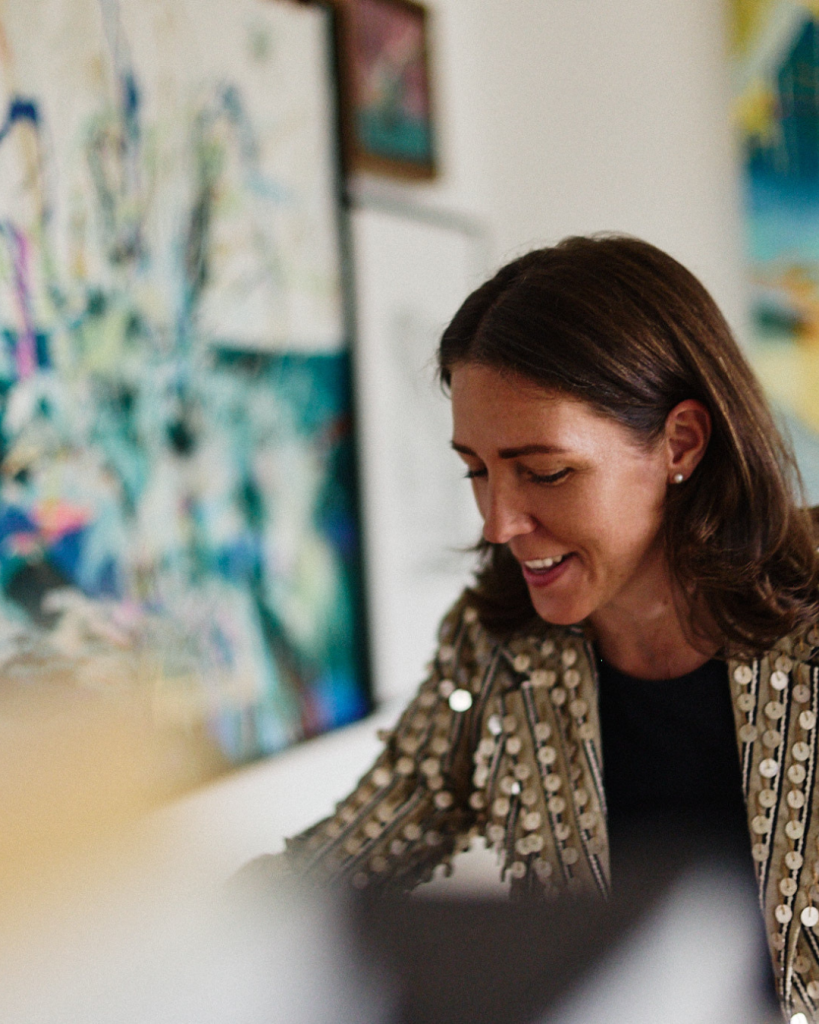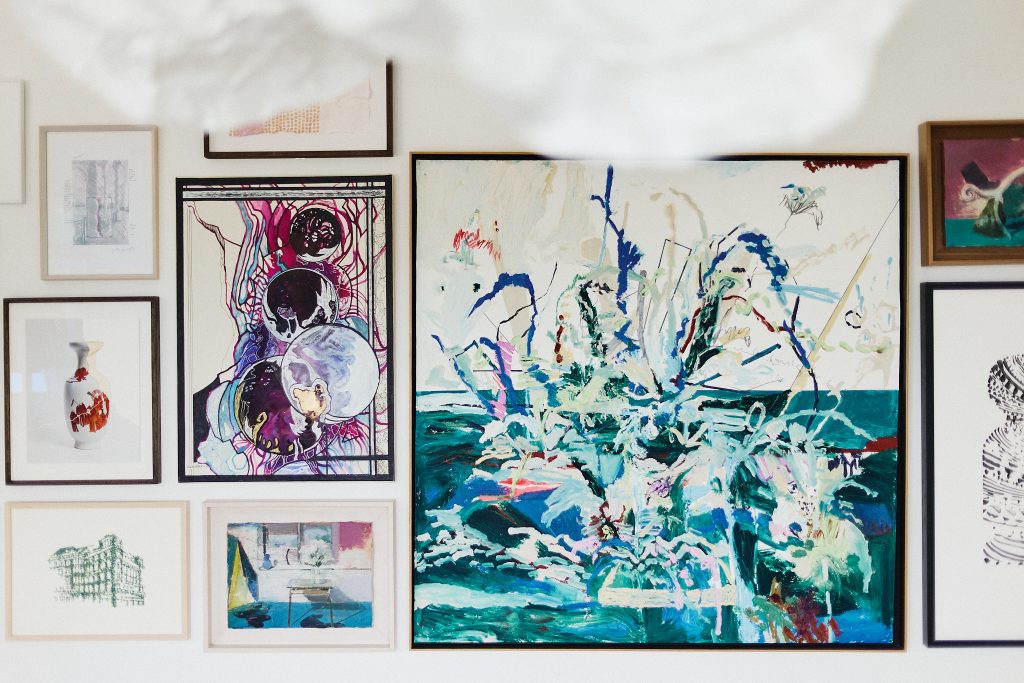
One of the biggest misconceptions around collecting is the idea that you need to know exactly what you are looking for before you begin. In reality, most collections start much earlier, through exposure. Through visiting fairs, walking through exhibitions, spending time with galleries, and slowly beginning to understand which works continue to stay with you after you leave.
This is why we continue to encourage clients, collectors, hoteliers, and designers to visit art fairs long before making acquisitions. Looking at art consistently changes the way you see. Over time, you begin to understand not only what attracts you visually, but what you connect with emotionally, intellectually, and spatially. You start recognizing certain materials, artistic approaches, scales, or narratives that repeatedly draw you in. That process cannot be rushed, and it cannot be learned only through research. It develops through experience.
This month, allows for more focused conversations with galleries and more time spent with the artworks themselves, which helps understand not only what you are drawn to, but why.
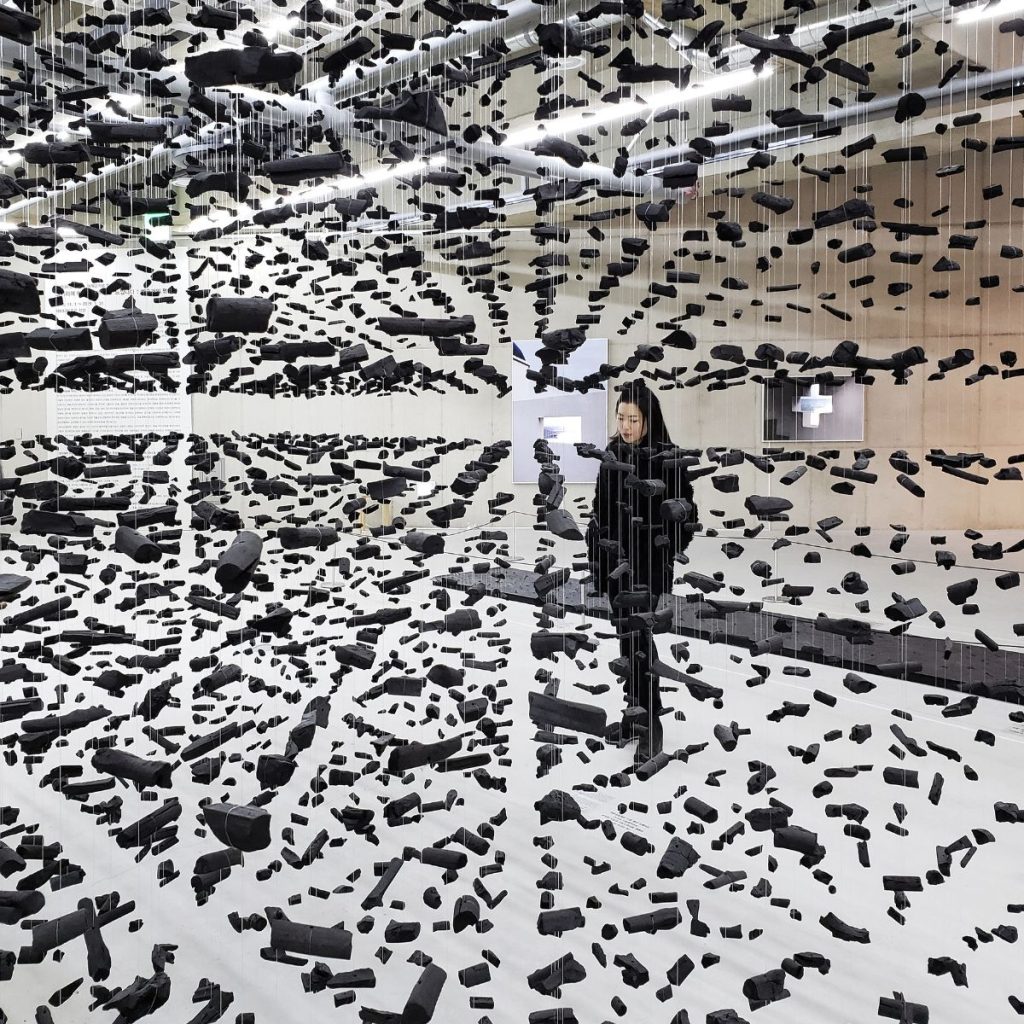
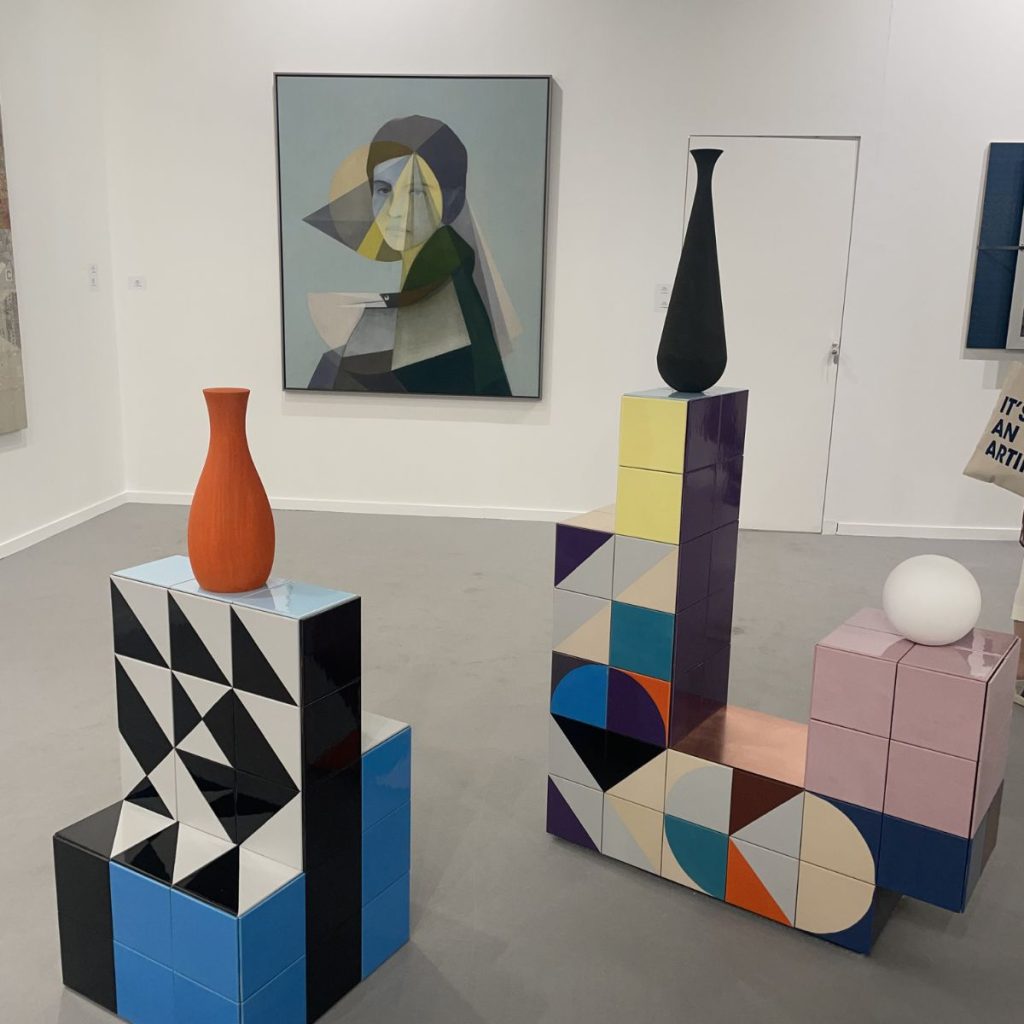
"The journey of a thousand miles begins with a single step" — Lao Tzu.
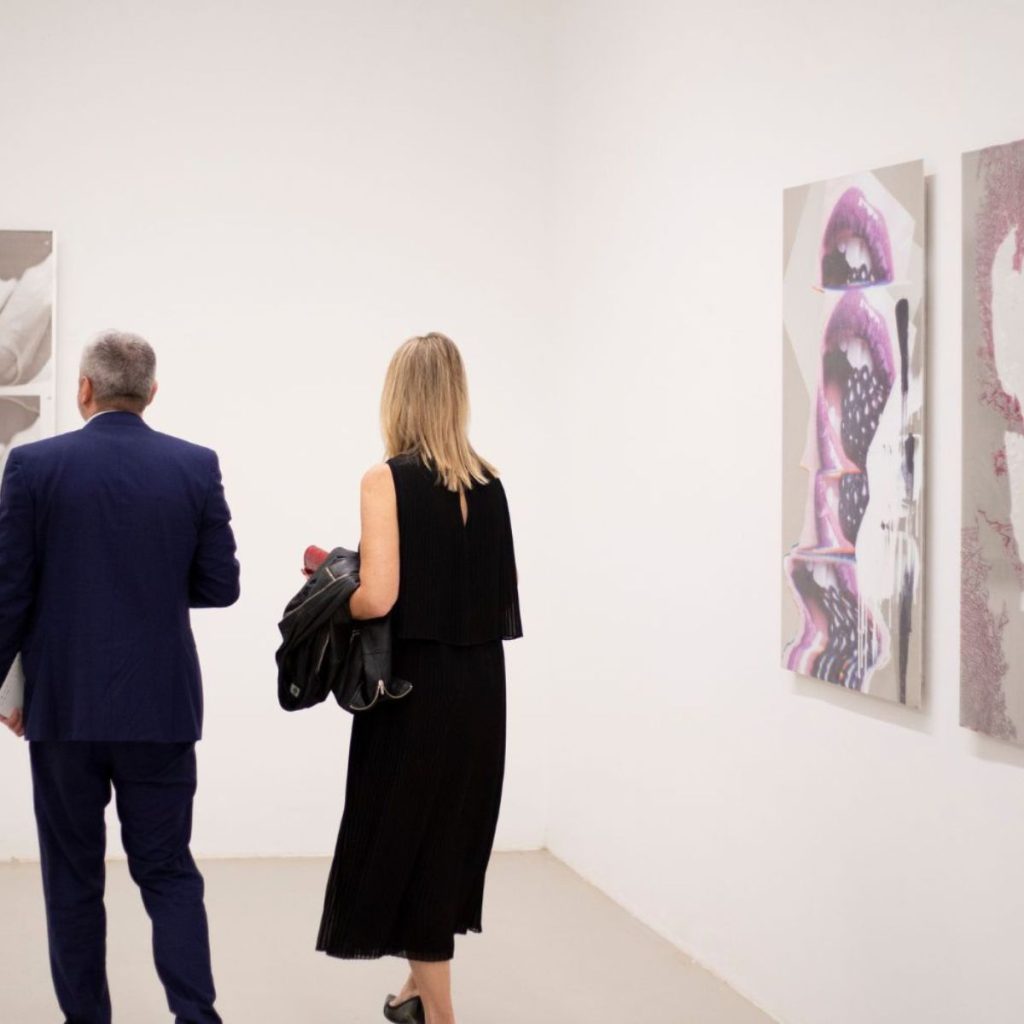
The month opens with Gallery Weekend Berlin, which remains one of the most compelling ways to experience contemporary art in a city context rather than within a convention hall. What makes Berlin unique is that the city itself becomes part of the experience. Galleries open simultaneously across neighborhoods, allowing visitors to move between institutions, independent spaces, artist studios, and private gatherings throughout the weekend. Unlike many fairs, the focus here is not only commercial. It is cultural. The experience encourages slower looking and deeper conversations, often giving collectors a closer relationship with galleries and artists.
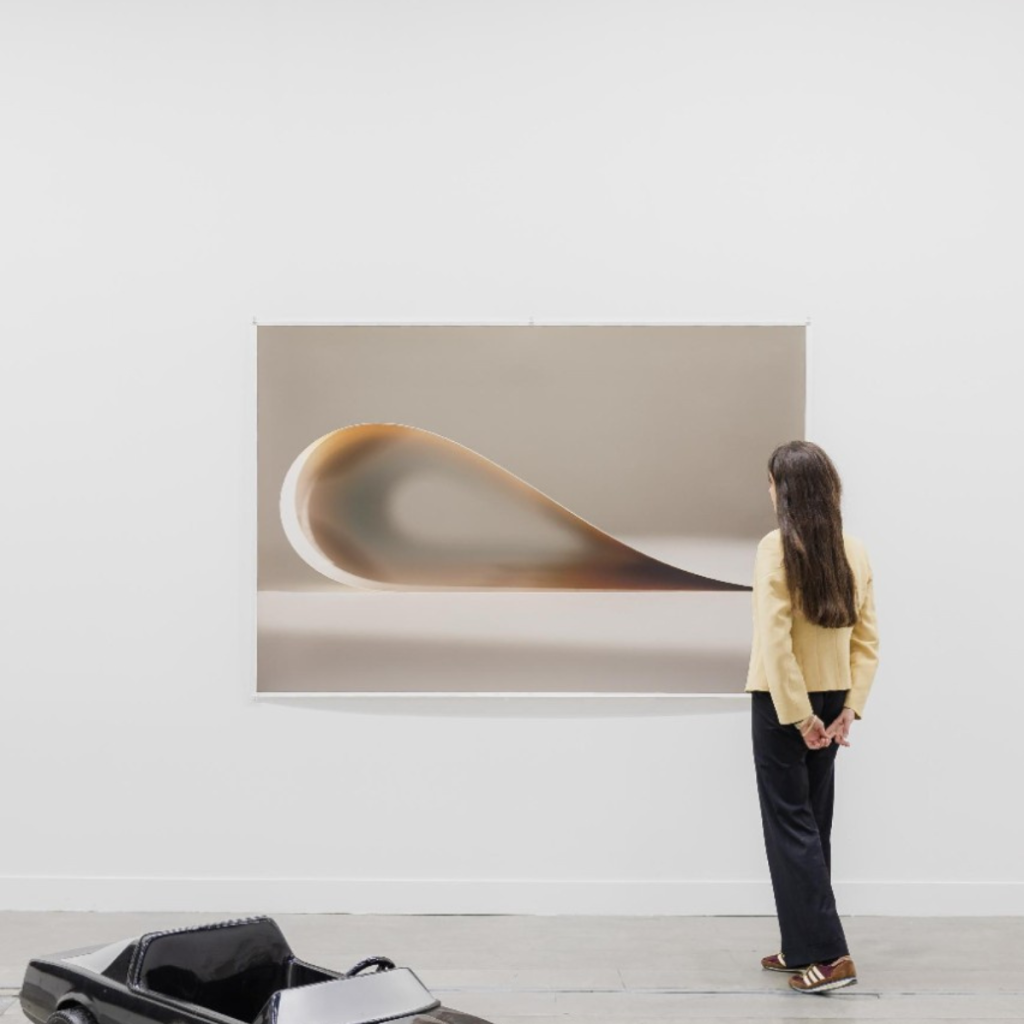
A few weeks later, the focus shifts toward photography during Photo London. Held at Somerset House, the fair has become an important platform for understanding how photography continues to evolve within contemporary collecting. What makes Photo London particularly valuable is its ability to bring historical and contemporary photography together, allowing collectors to see how image-making continues to shift across generations. For younger collectors, especially, photography often becomes an accessible entry point into collecting because it offers both conceptual depth and different price points compared to other mediums.
At the same time, NADA New York introduces a very different energy. Founded by the New Art Dealers Alliance, NADA has long been recognized for championing emerging galleries and younger artistic voices. The fair feels experimental, less rigid, and often more instinctive. It is one of the places where collectors can encounter new practices before they become widely established. For many, this becomes an important learning experience: understanding how emerging galleries position artists, how younger practices are presented, and how collecting can begin through curiosity rather than market confidence.
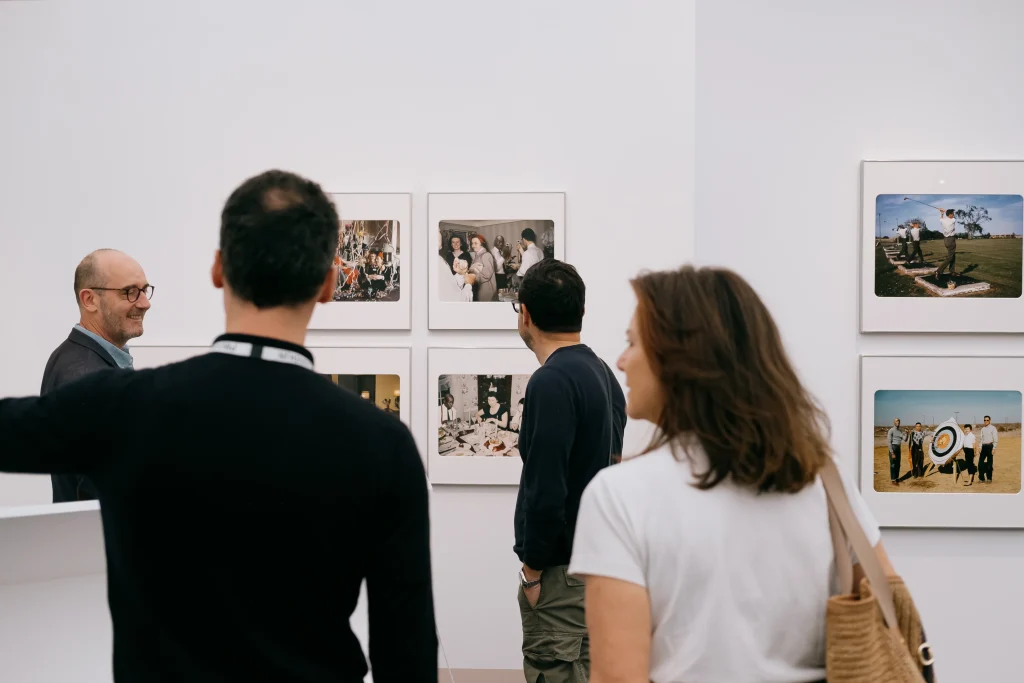
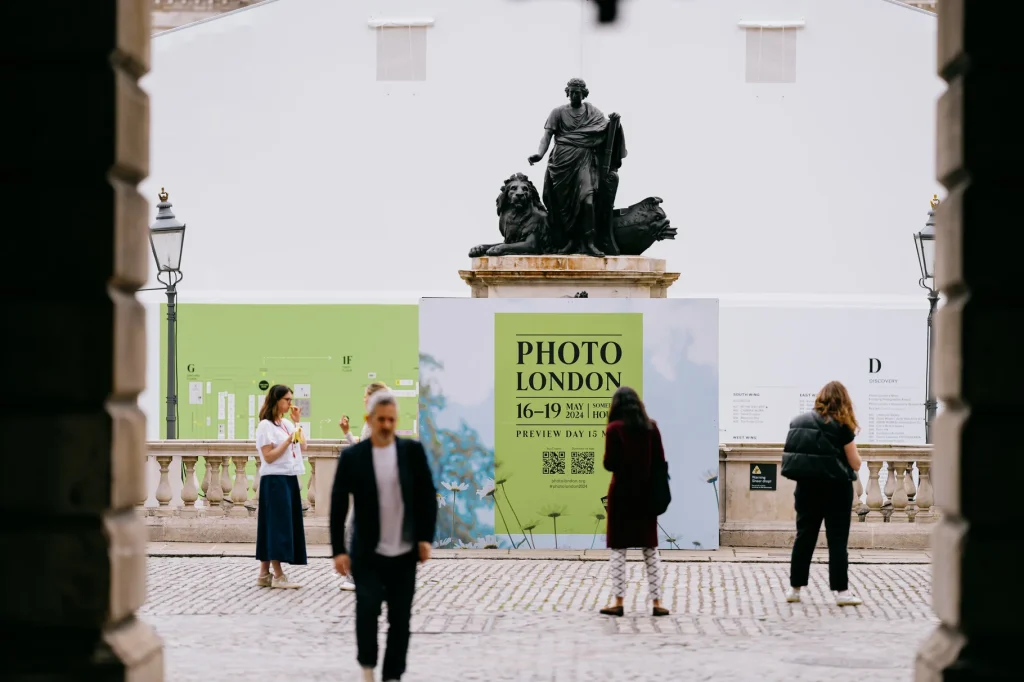
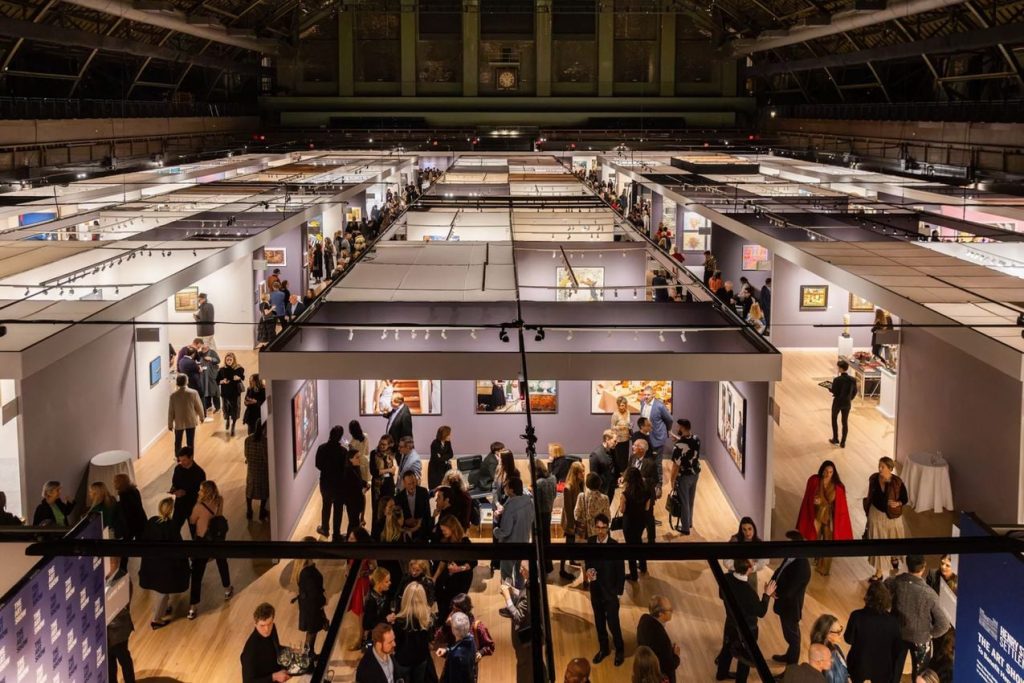
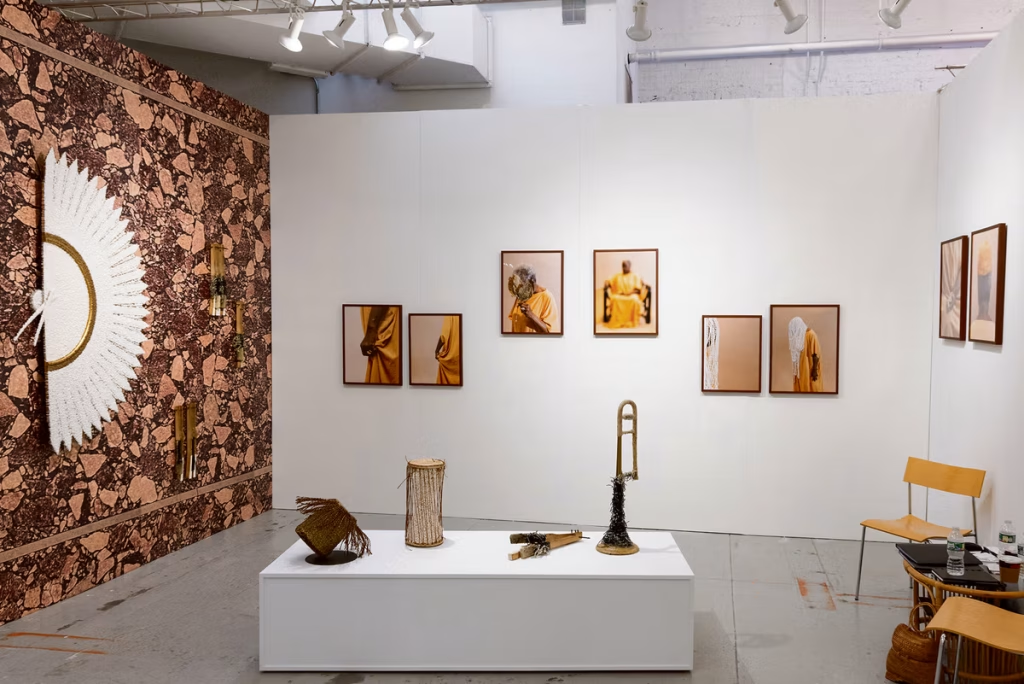
Just alongside it, Frieze New York offers another perspective entirely. Frieze operates at a larger international scale, bringing together leading global galleries while maintaining a strong curatorial structure. What defines Frieze is its ability to present the current state of the contemporary art world in concentrated form. Established artists sit alongside newer positions, institutional conversations overlap with market dynamics, and collectors gain insight into which practices are shaping broader cultural dialogue today. Visiting Frieze is not only about seeing individual works. It is about understanding context.
Then comes TEFAF New York, which introduces yet another way of looking. TEFAF is known for its extraordinary level of scholarship and connoisseurship. While many fairs move quickly, TEFAF invites slowness. The presentation standards are museum-like, and the fair brings together fine art, antiquities, modern works, design, and historical objects in a way that allows collectors to understand continuity across centuries. For anyone building a collection with a long-term perspective, TEFAF becomes essential because it teaches discernment. It sharpens one’s understanding of quality, provenance, craftsmanship, and historical relevance.
Toward the end of the month, ARCOlisboa brings the art world to Lisbon. Compared to larger fairs, ARCOlisboa feels more intimate and regional, while still maintaining strong international participation. What makes it particularly interesting is how strongly the fair reflects the growing cultural energy of Portugal itself. Collectors encounter galleries from across Europe and Latin America while also gaining insight into Lisbon’s rapidly evolving contemporary art scene. The city’s pace naturally changes the way the fair is experienced. Conversations extend beyond booths into dinners, gallery visits, and encounters throughout the city.
Across all of these fairs, one thing becomes increasingly clear: collecting is not built through speed. It develops through repeated exposure, through comparison, through learning how different galleries communicate, how artists evolve, and how your own relationship to art changes over time.
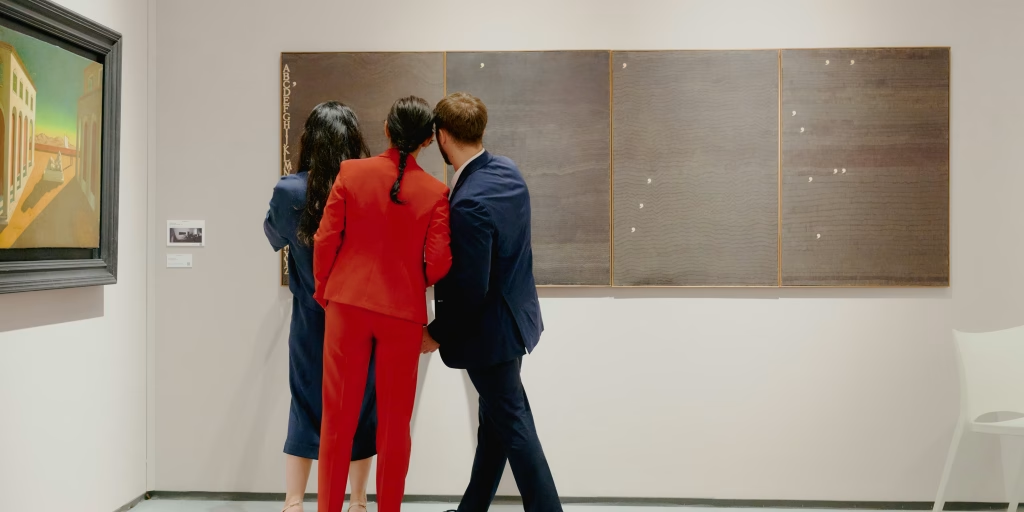
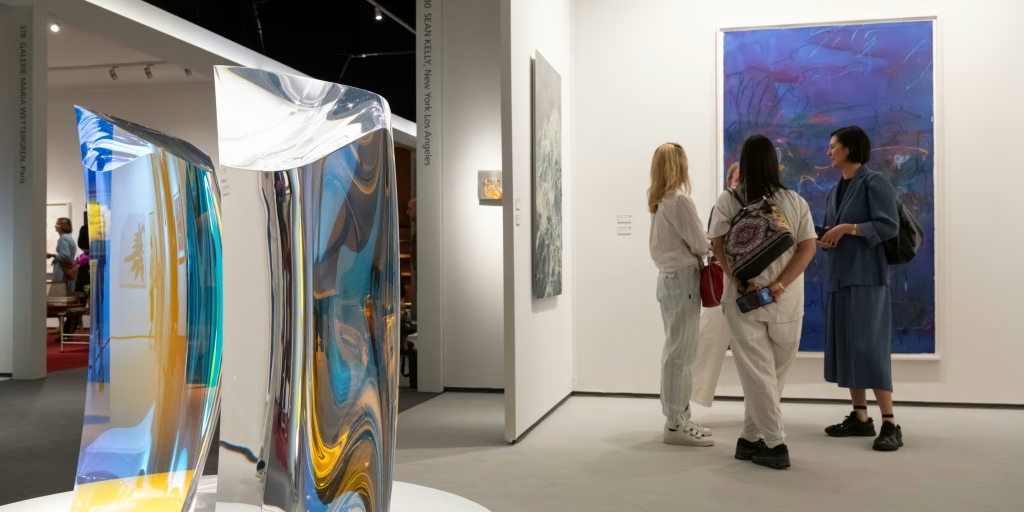
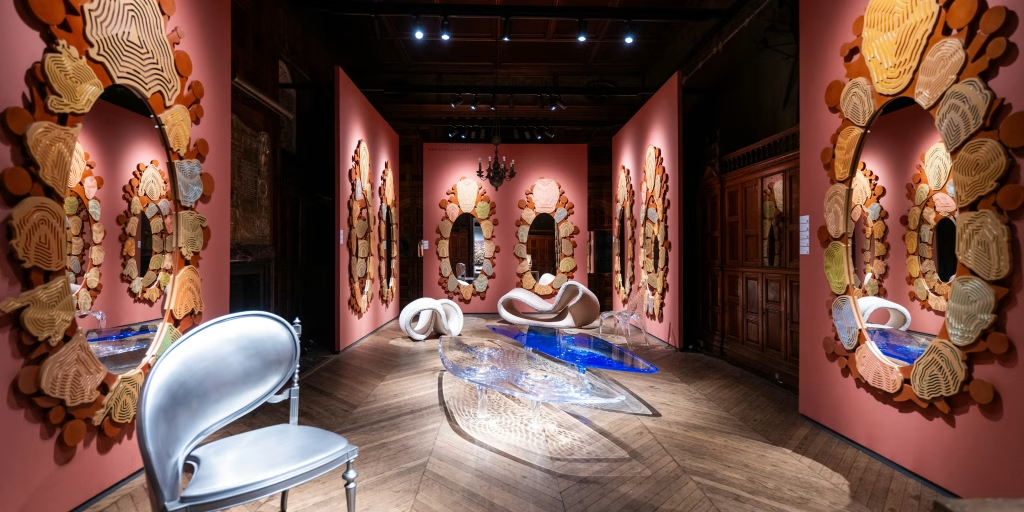
What also becomes visible is that no two fairs are experienced in the same way. Some feel more institutional and curated, others more experimental or intimate. Certain fairs may immediately connect with you, while others may not speak to you at all, and this is equally important. Because part of building a collection is understanding not only what you are drawn to, but also the environments, conversations, and ways of experiencing art that feel natural to you.
Sometimes the most important thing a fair offers is not a purchase. It is the beginning of a point of view.