Importing, exporting and documenting contemporary art collections for private residences and hospitality projects
Sometimes we look at a finished hotel project or a private collection and forget how many people, conversations, and countries were involved before the artworks ever arrived.
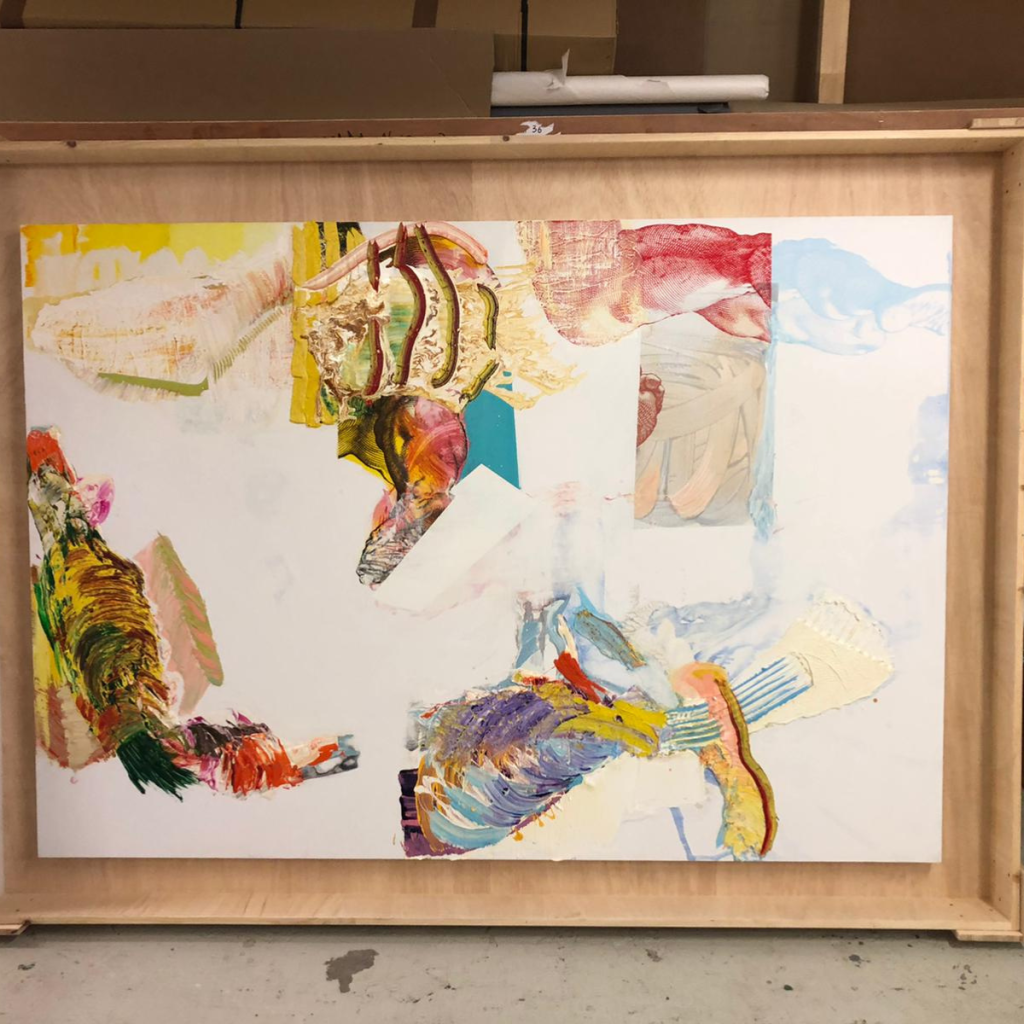
An artwork might begin in an artist’s studio in New York, move through a gallery in Zurich, be framed in Austria, stored in Switzerland, pass through customs, and eventually arrive in a hotel suite, a restaurant, or a private residence on the other side of the world. By the time someone encounters that artwork for the first time, it may already have traveled thousands of miles and passed through dozens of hands.
Most of this journey remains invisible. Guests checking into a hotel rarely think about condition reports, certificates, insurance documents, customs paperwork, or shipping coordination. They simply experience the artwork where it belongs. In many ways, that is exactly how it should feel.
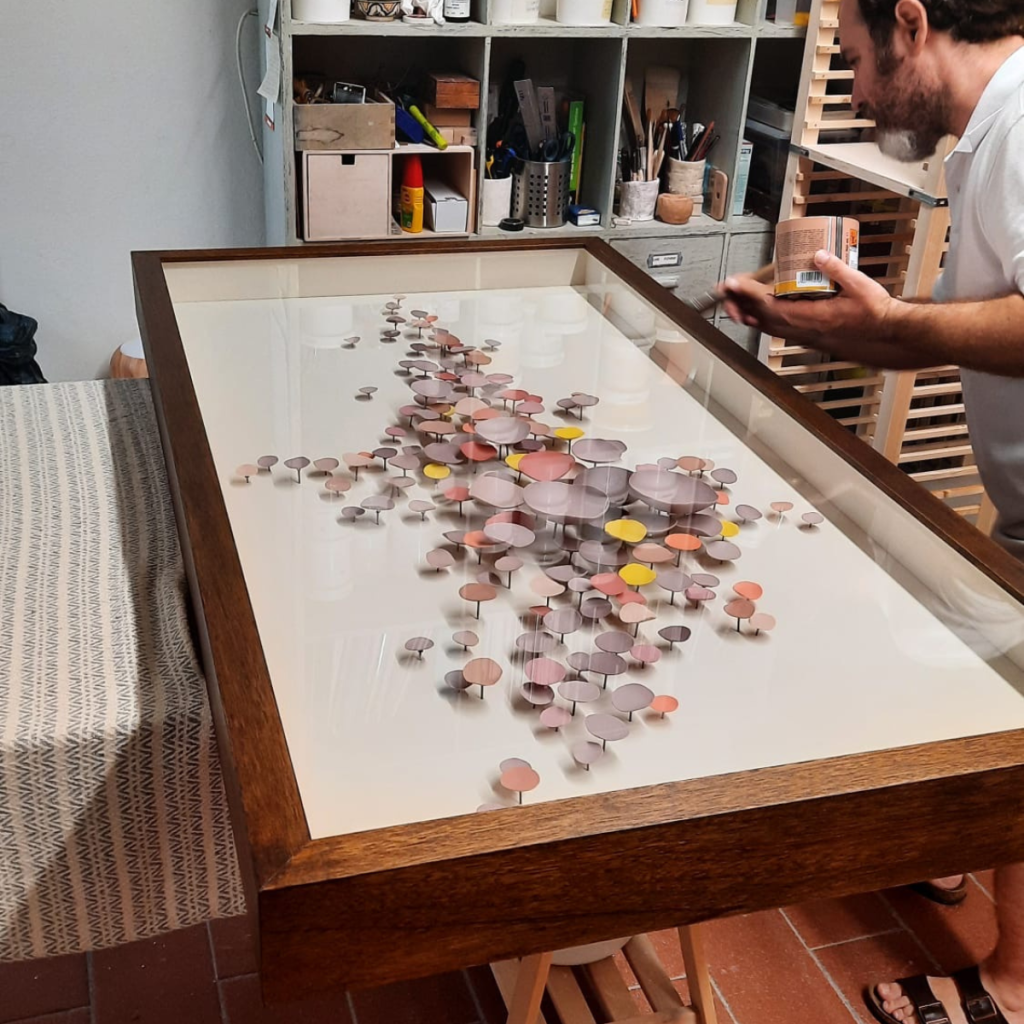
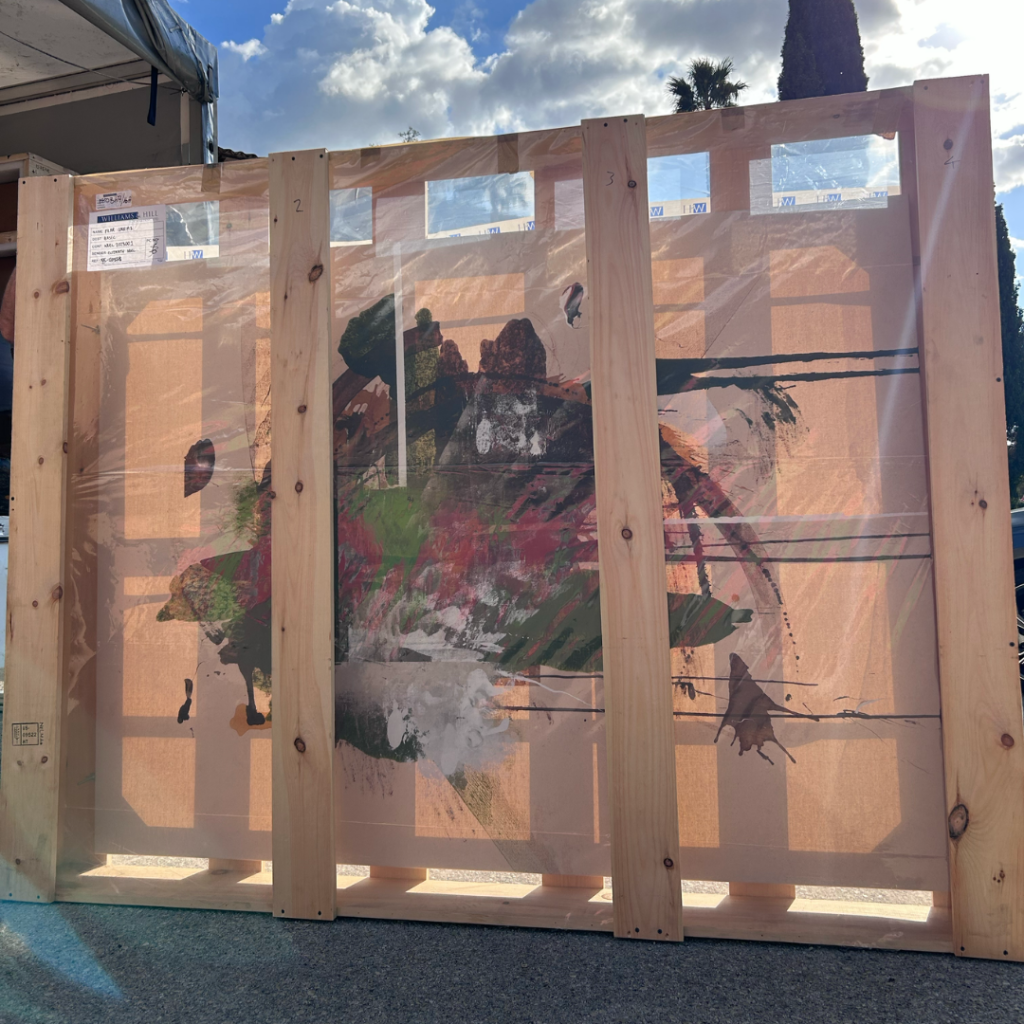
After working internationally for more than a decade, this process has become such a natural part of our work.
After working internationally for more than a decade, this process has become such a natural part of our work. Recently, however, it reminded us how much trust is involved every time an artwork changes hands. A collector trusts that the work will arrive safely. A gallery trusts that it will be handled professionally. An artist trusts that the artwork will be presented as intended. Every step depends on people working together behind the scenes.
A private collection we built for a couple in Victoria, Canada, remains one of the projects where this became especially tangible. The works were sourced internationally and shipped from Zurich, New York, and Hong Kong, bringing together both blue-chip and contemporary artworks within a private home. Each artwork arrived with its own documentation, condition report, import documents, and gallery contacts. Some works required virtual condition inspections via Video before release. Others involved detailed conversations with galleries, condition reviews, and close coordination with the fine art shipper before they could continue their journey.
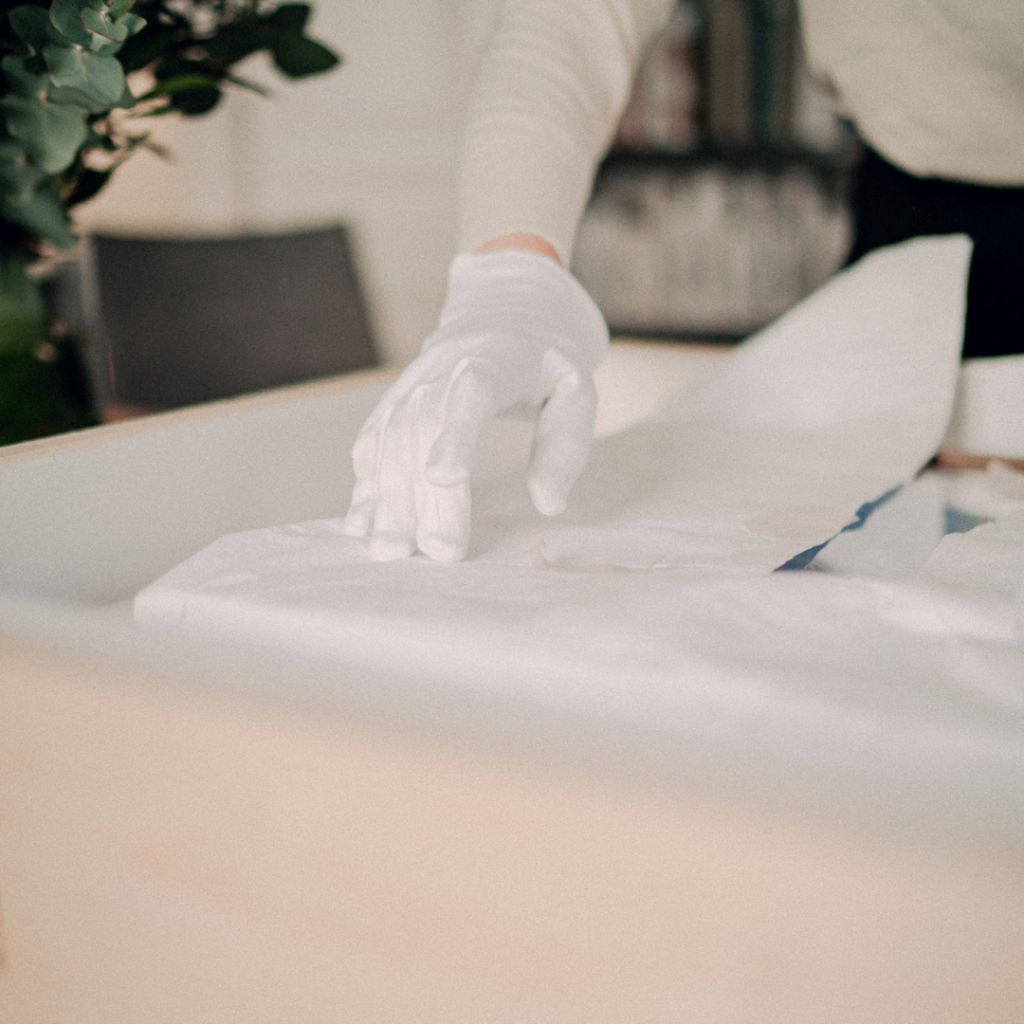
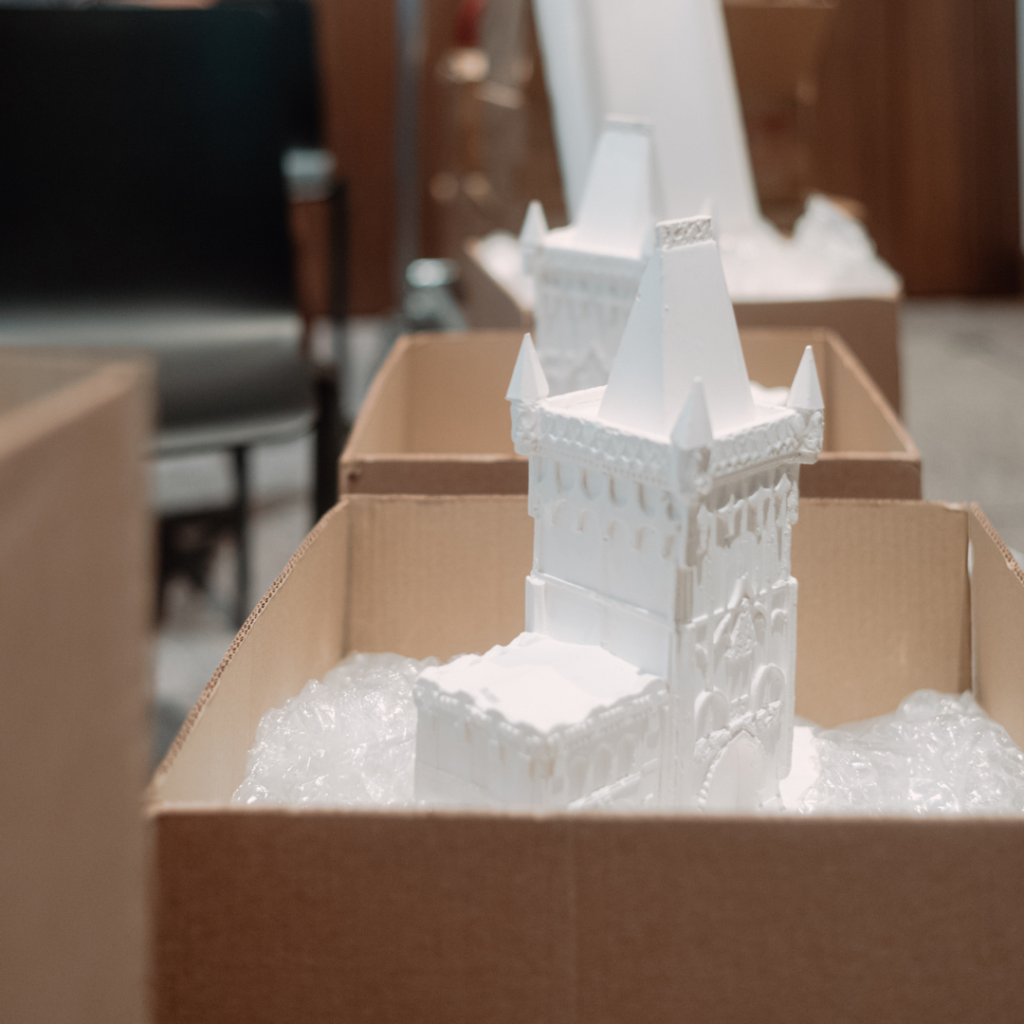
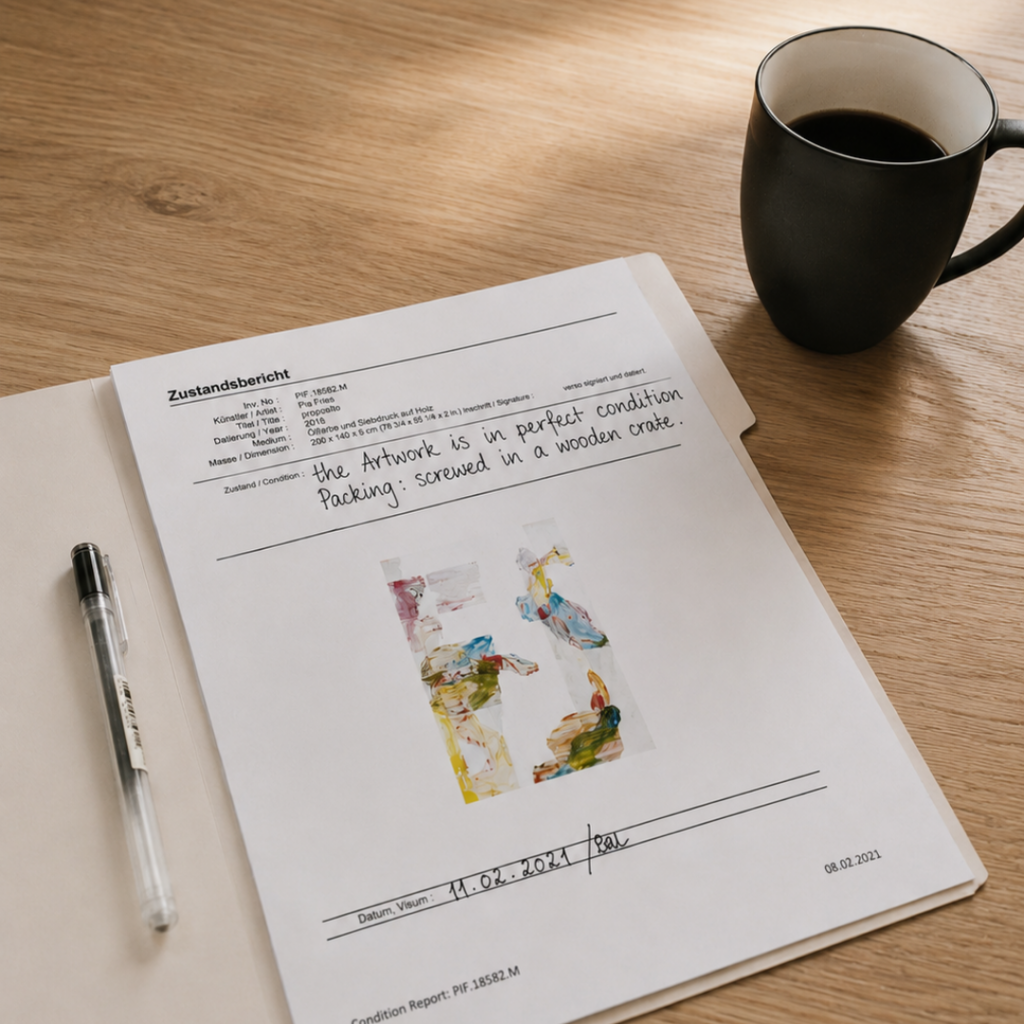
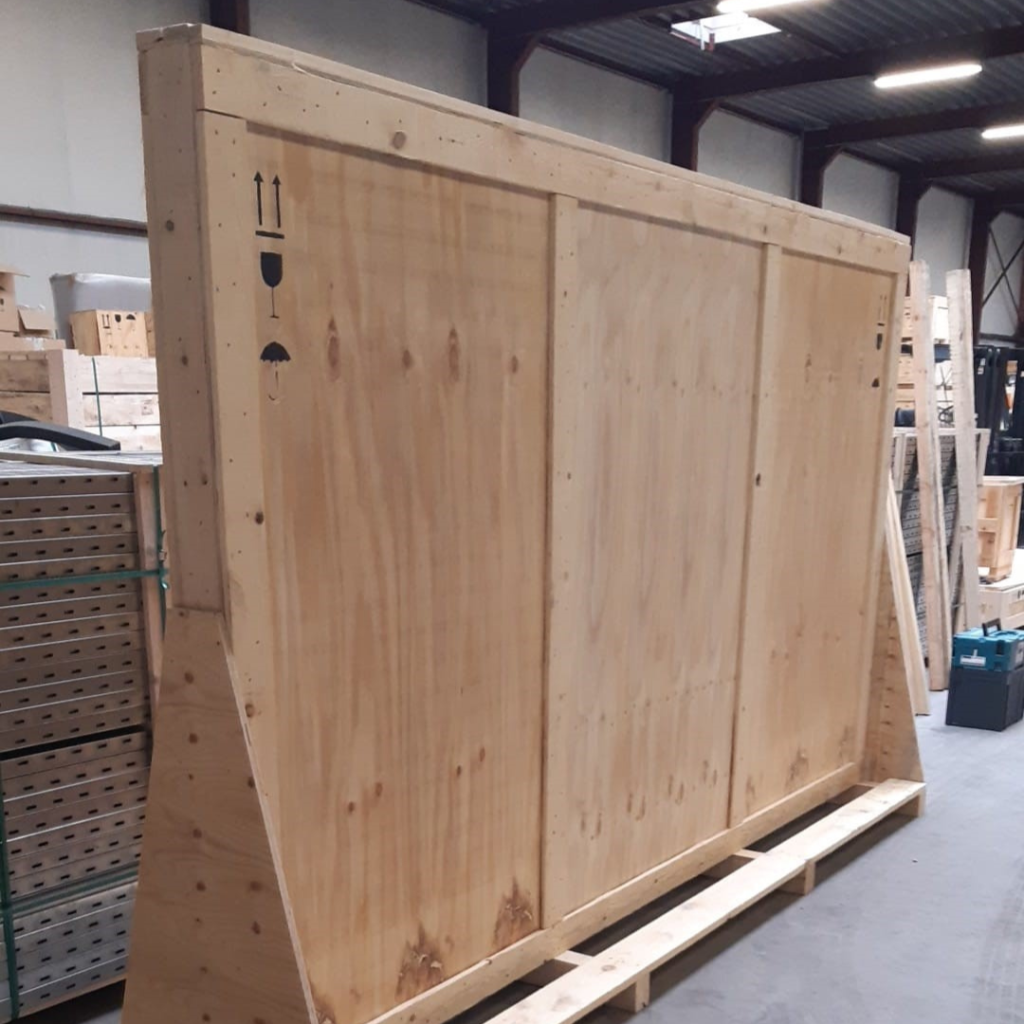
Our role was to hold that process together on behalf of the collectors. We worked directly with galleries, reviewed condition documentation, coordinated shipping and import procedures, and ensured that invoices, certificates, insurance values, packing information, and customs records all aligned before the artworks moved. Much of this happened long before the collectors experienced the collection in their home, yet it formed the foundation for everything that followed.
The same responsibility appears in a different form within hospitality projects, where the number of artworks, stakeholders, and timelines often adds another layer of complexity. During our work for Mandarin Oriental Savoy Zurich, we developed a collection connected to the hotel’s identity, history, and interior concept by Tristan Auer. While many of the artists were based in Switzerland, the journey of the collection extended beyond Zurich itself.
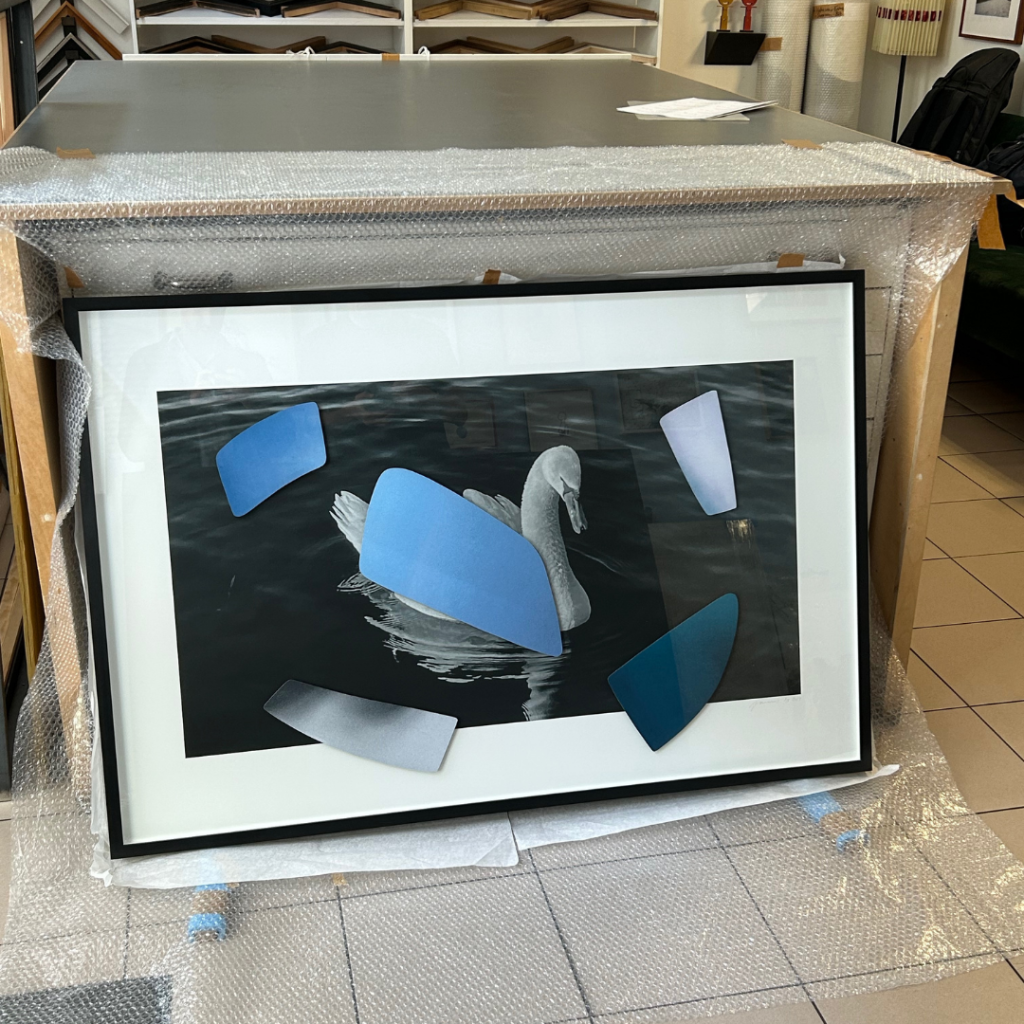
What appeared to be a straightforward production decision quickly became a carefully coordinated process involving transport, storage, quality control, framing, insurance, export, and re-import into Switzerland before final installation.
At that stage, the collection became a choreography of artworks, documents, schedules, and people. Each work needed to correspond with the artwork matrix, insurance records, condition reports, frame specifications, and final room allocations. Every movement had to be documented. Every delivery needed to align with the wider hotel timeline.
Over the years, we have come to see this side of the process differently. Importing, exporting, documenting, storing, framing, and installing artworks may appear administrative on the surface, but each step helps protect the artwork and the story that comes with it. A condition report records a moment in the life of a work. A certificate helps establish authenticity. Import documents create a record of how an artwork traveled and entered a collection. Together, these details help preserve the integrity of a collection long after the installation is complete.
Most people will never see this work, and in many ways that is the goal. When everything has been handled well, the process disappears, and the art remains. For us, that is one of the most rewarding parts of the journey: creating the conditions for artworks to move safely across borders, arrive where they belong, and begin their next chapter.