“Alone we can do so little; together we can do so much.”
Helen Keller’s words have stayed with me for many years, perhaps because they speak so directly to the kind of work we do at VELVENOIR. When I look back at the residential and hospitality projects we have had the privilege to be part of, what I remember most is not only the final installation, the finished room, or the moment an artwork finds its place. I remember the conversations. The trust. The long-distance calls between Salzburg, Vancouver, New York, London, Zurich, Los Angeles and beyond. I remember the interior designers who opened their projects to us, the collectors who allowed us into their personal world, and the artists whose works travelled across borders to become part of homes and places they had never seen before. From sourcing one meaningful artwork to building entire collections in close collaboration with interior design studios on behalf of their clients, this journey has been one of the most inspiring parts of VELVENOIR’s work, and today I look back on it with deep gratitude.
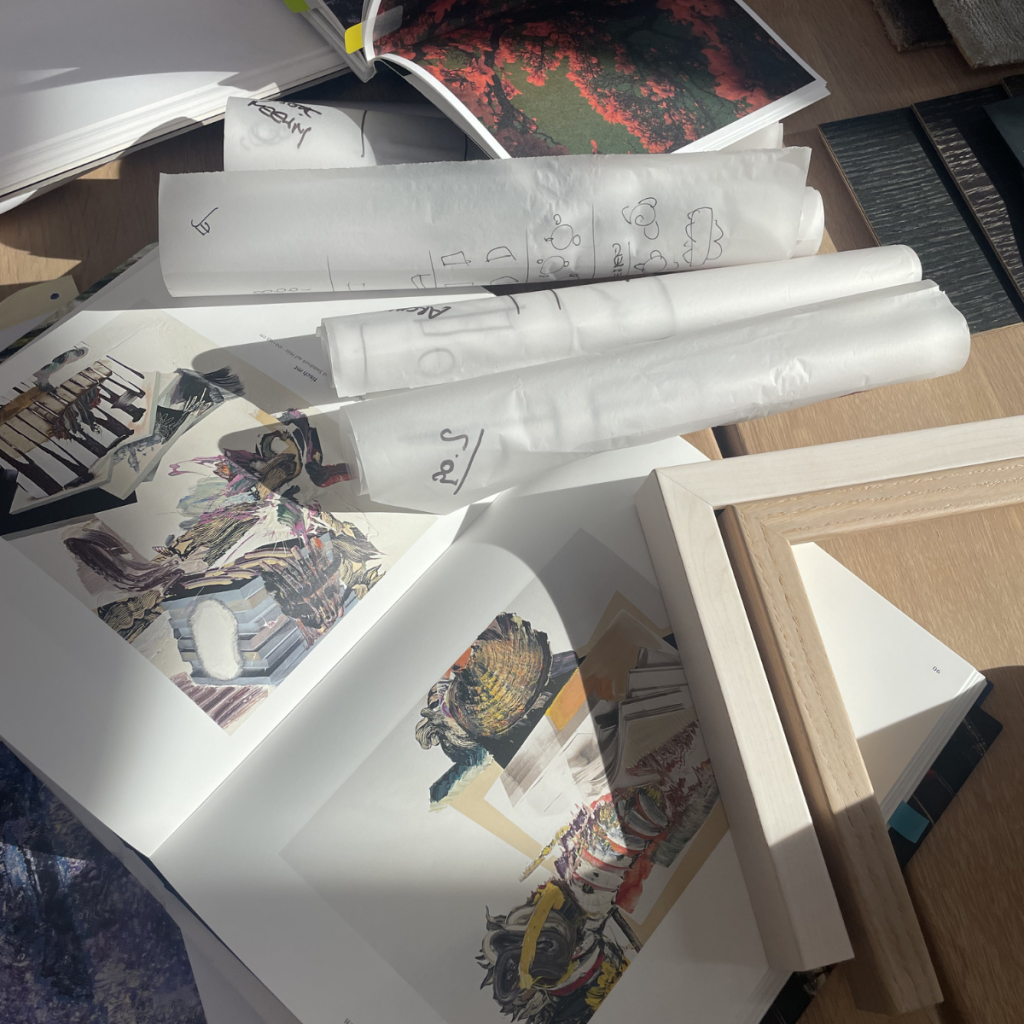
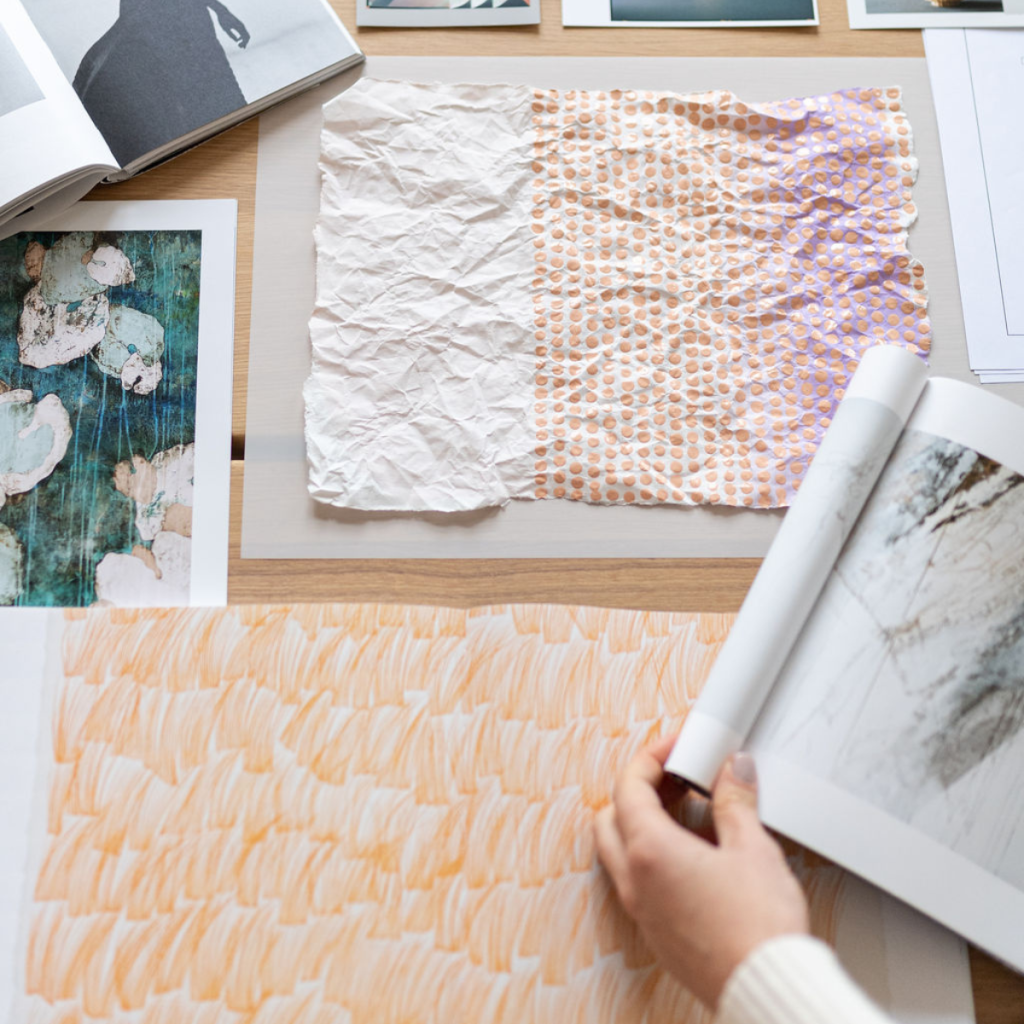
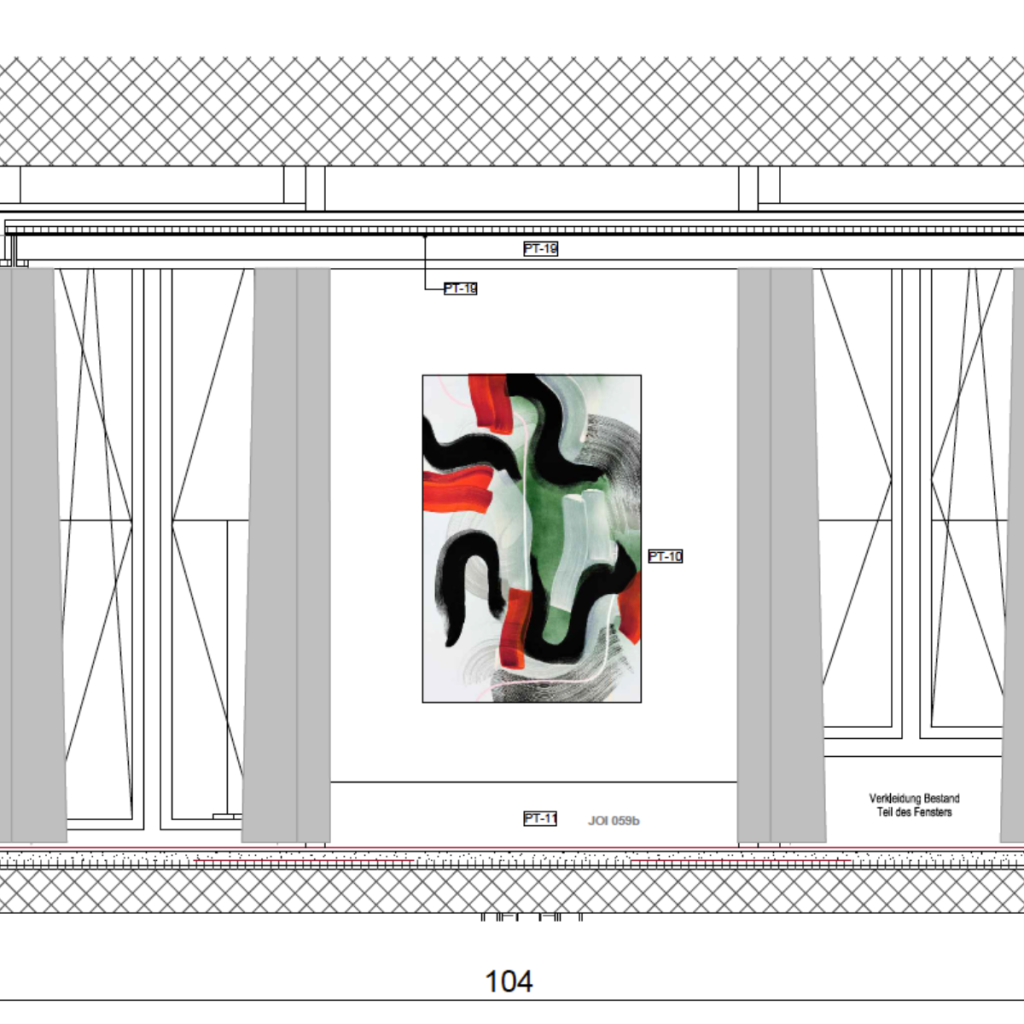
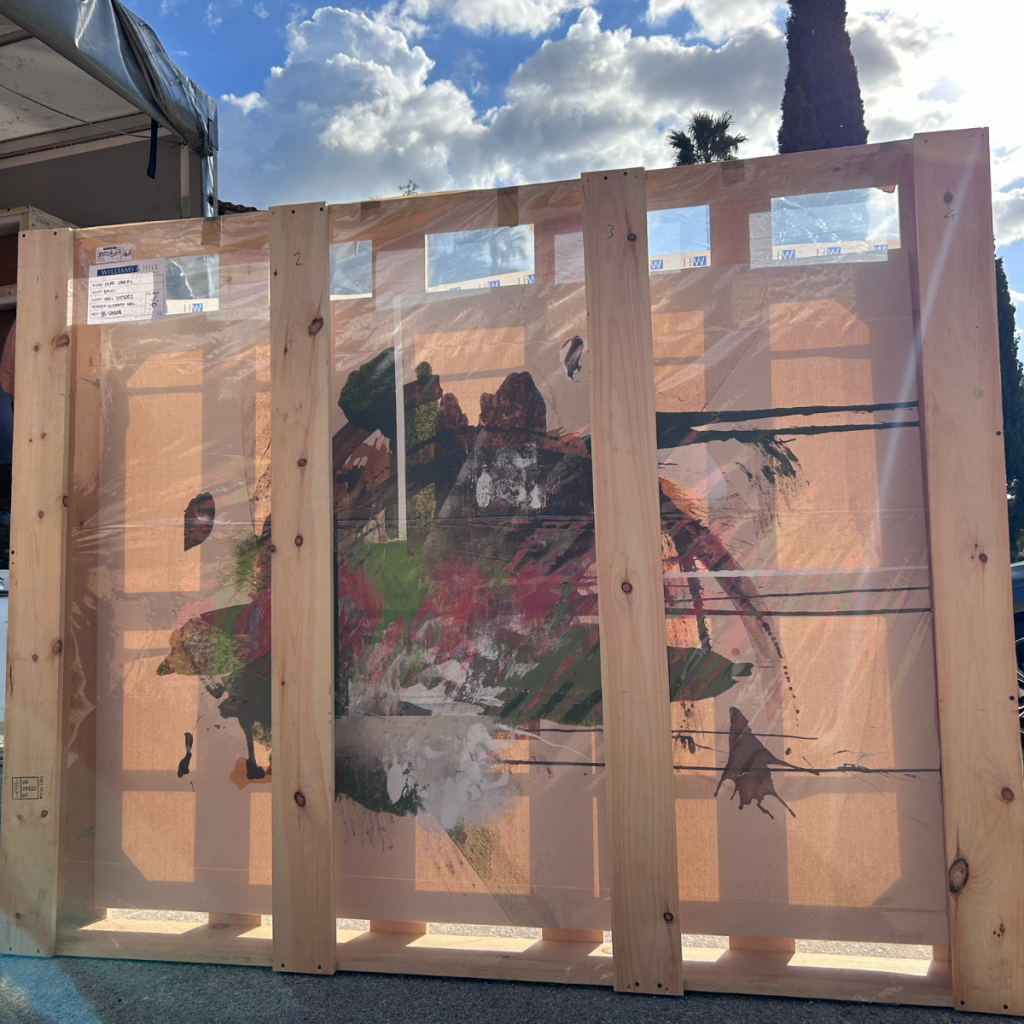
A work does not simply move from one country to another.
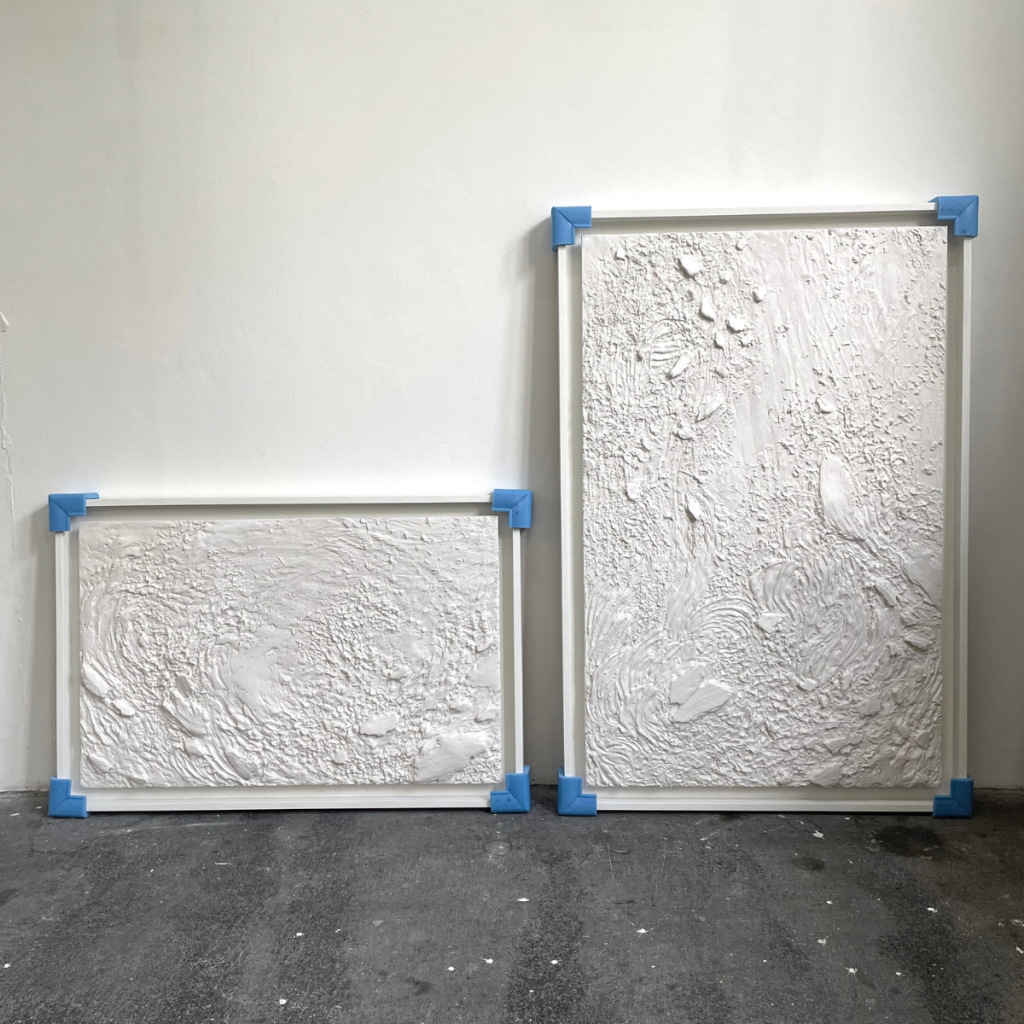
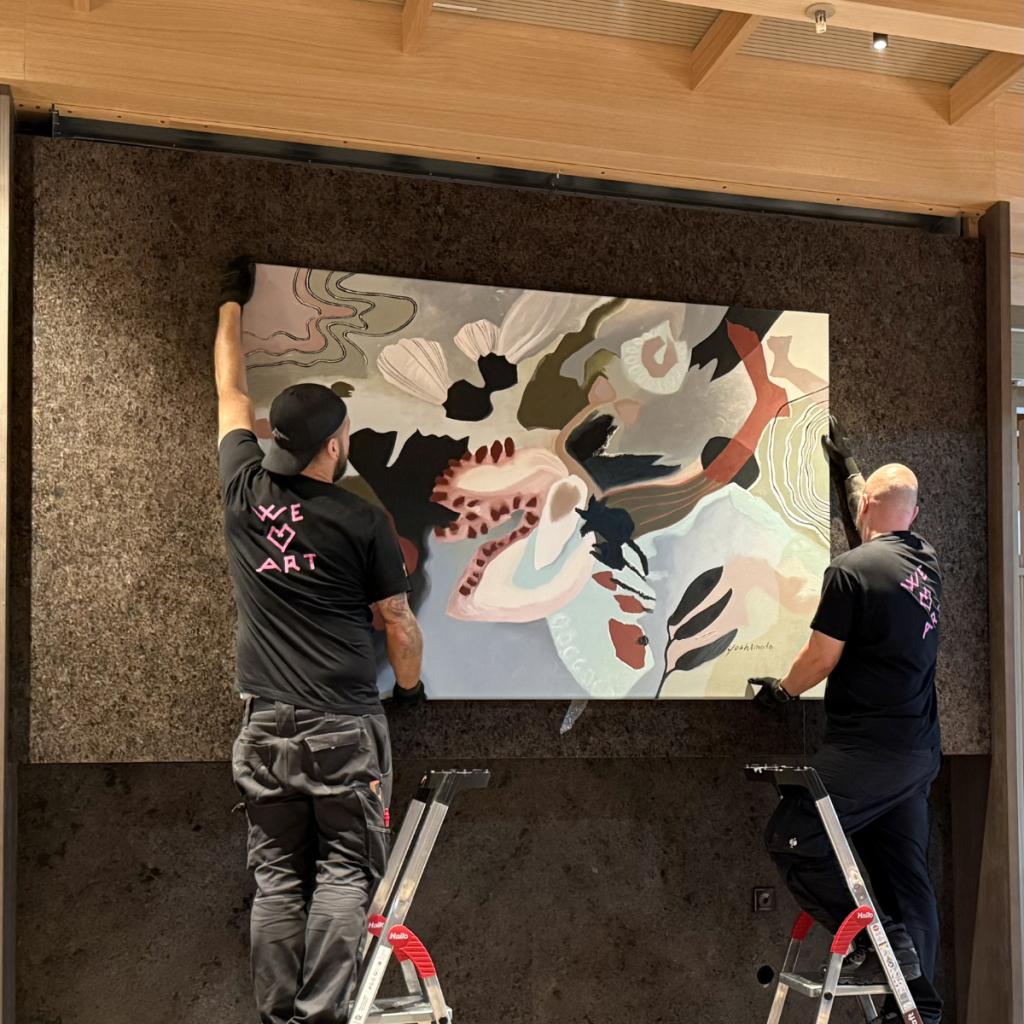
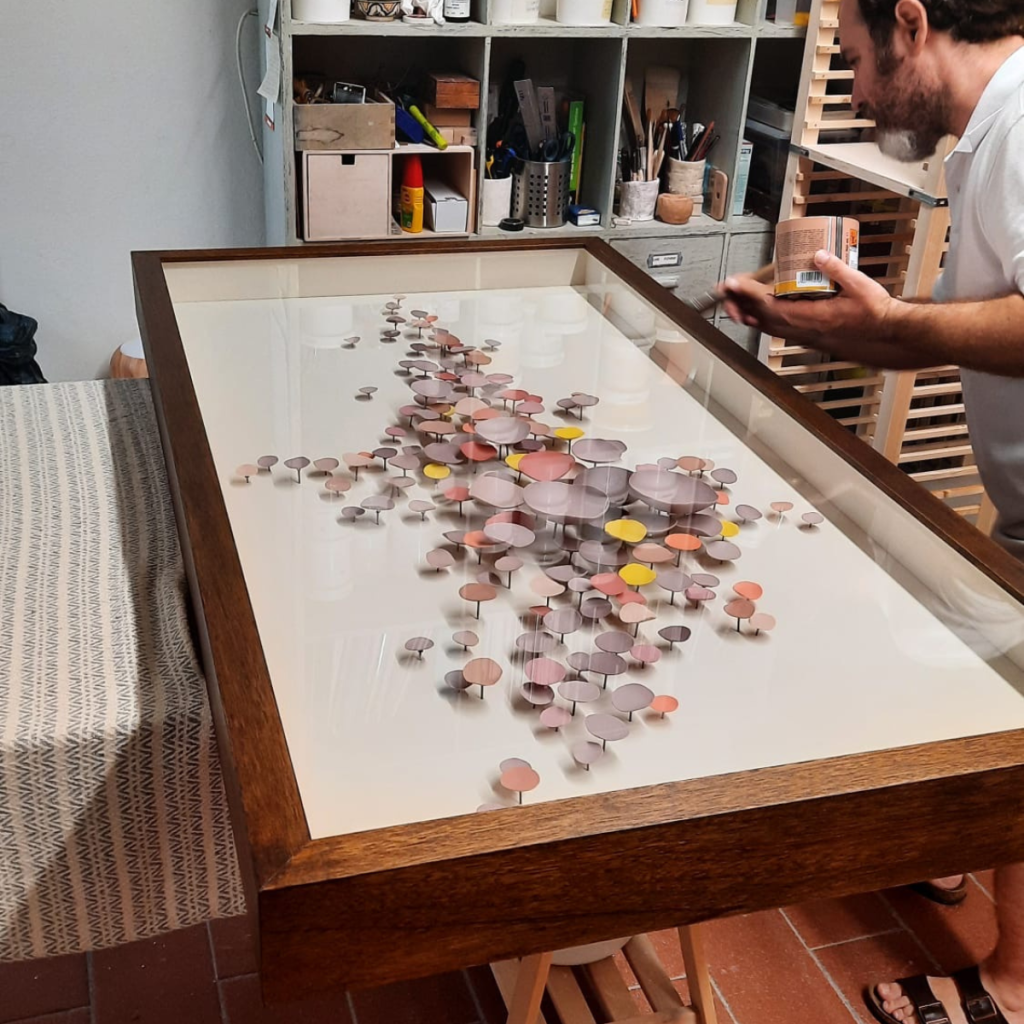
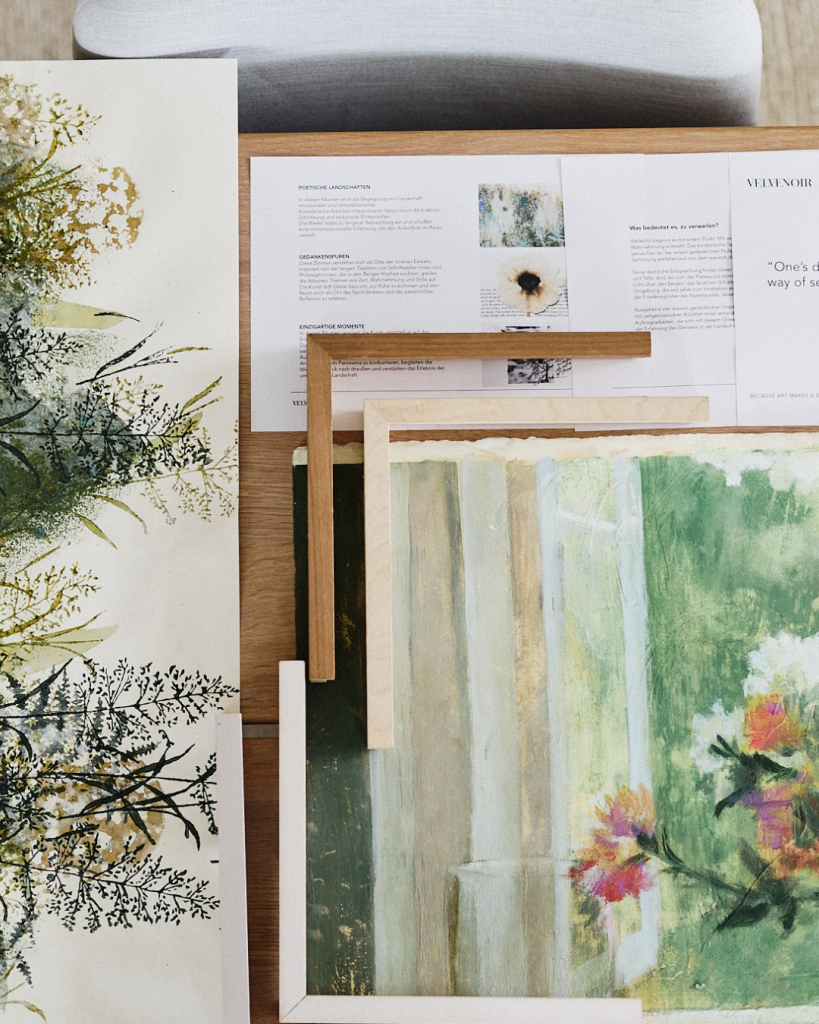
Working internationally from Salzburg, Austria, has always required a certain kind of commitment. It sounds beautiful from the outside: art, interiors, travel, private homes, hotels, artists, collectors, but behind every project sits a highly detailed process that demands availability, responsibility and accountability. A work does not simply move from one country to another. It has to be sourced, assessed, acquired, documented, insured, packed, shipped, imported, sometimes exported again, inspected, framed, delivered and installed. When an artwork arrives damaged, when a customs document is missing, when a frame needs to be adjusted, when a client falls in love with an artist and suddenly a new commission becomes possible, we are there. This is the invisible part of art consulting, and to me it is also one of the most important. The care behind the artwork is part of the value of the artwork.
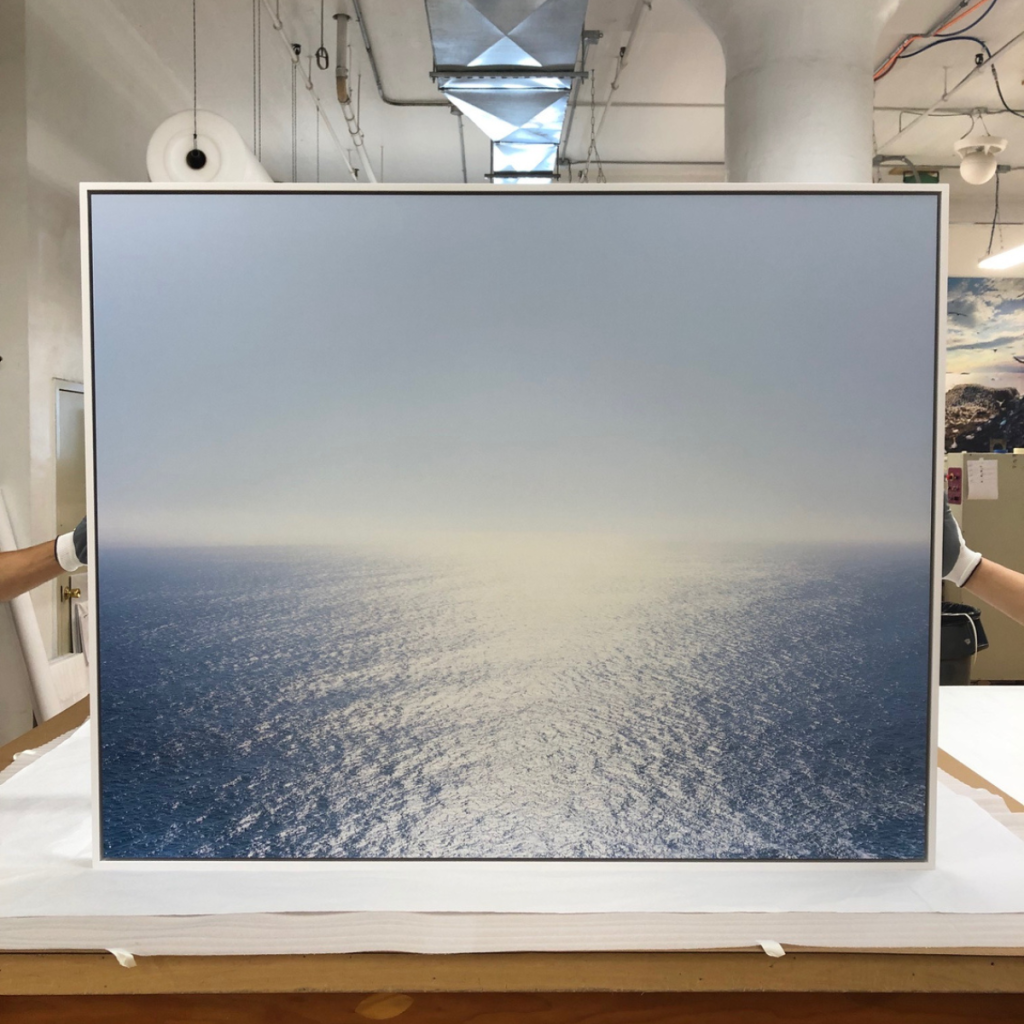
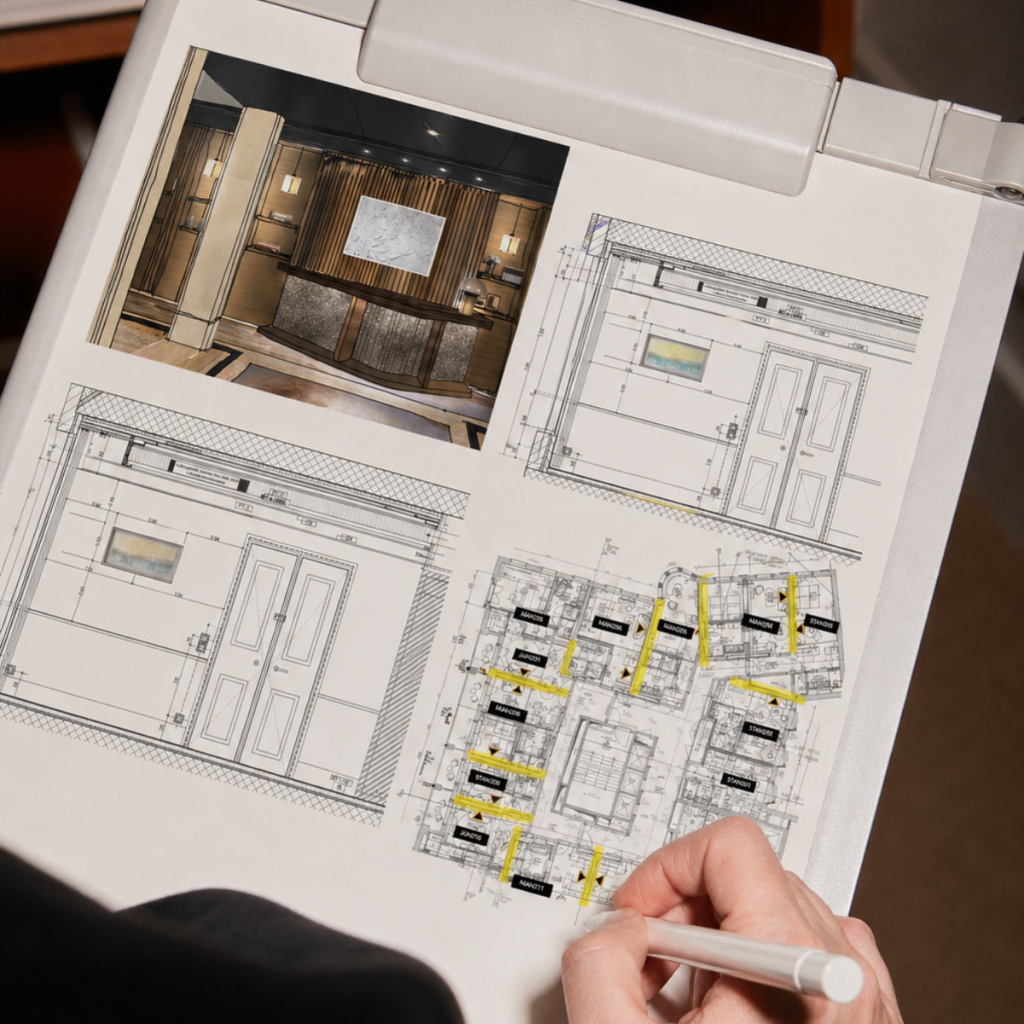
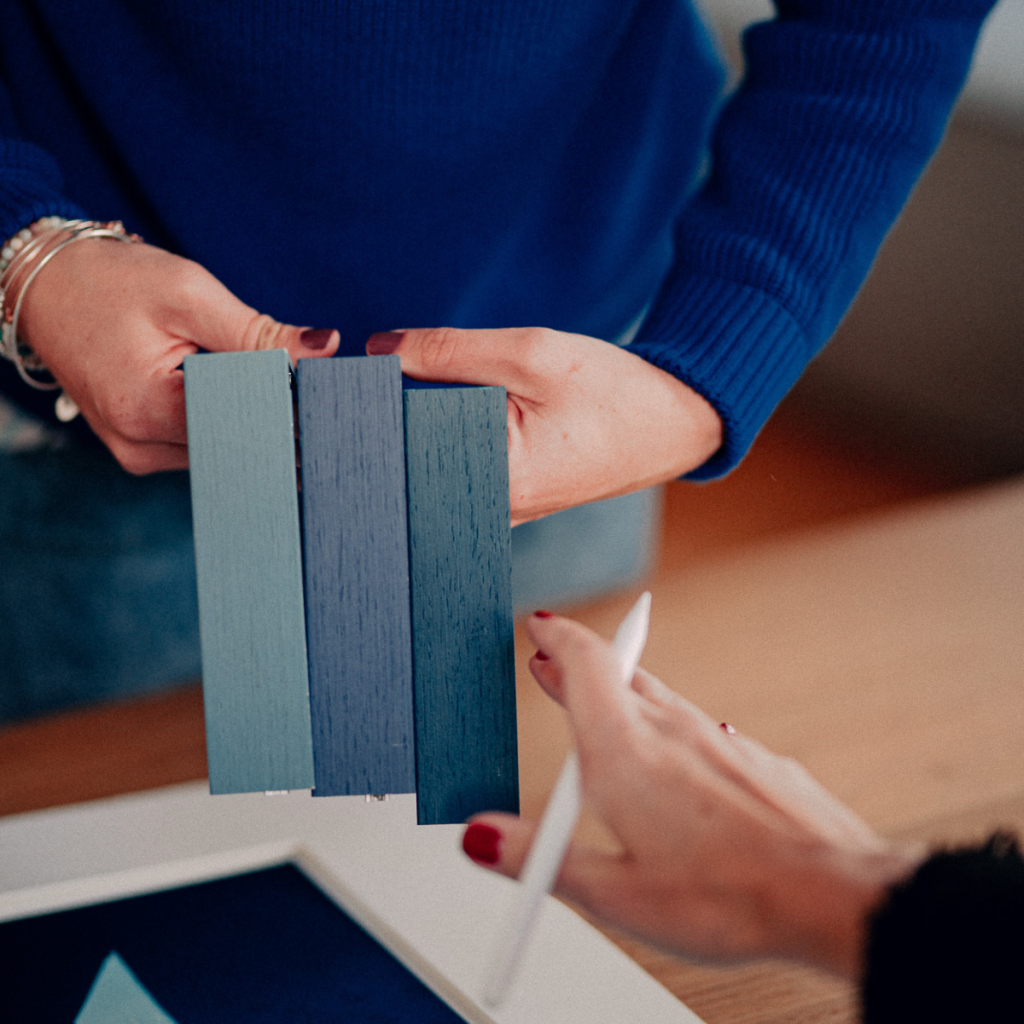
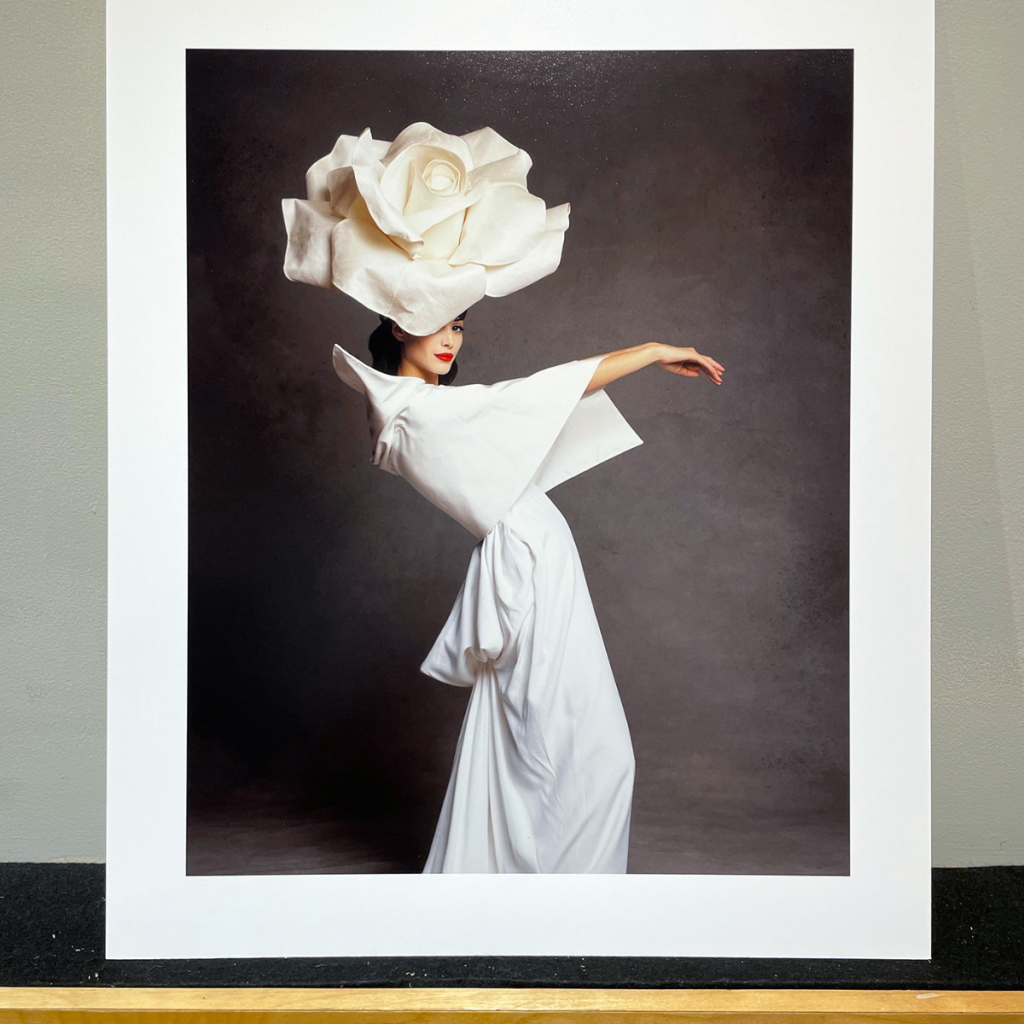
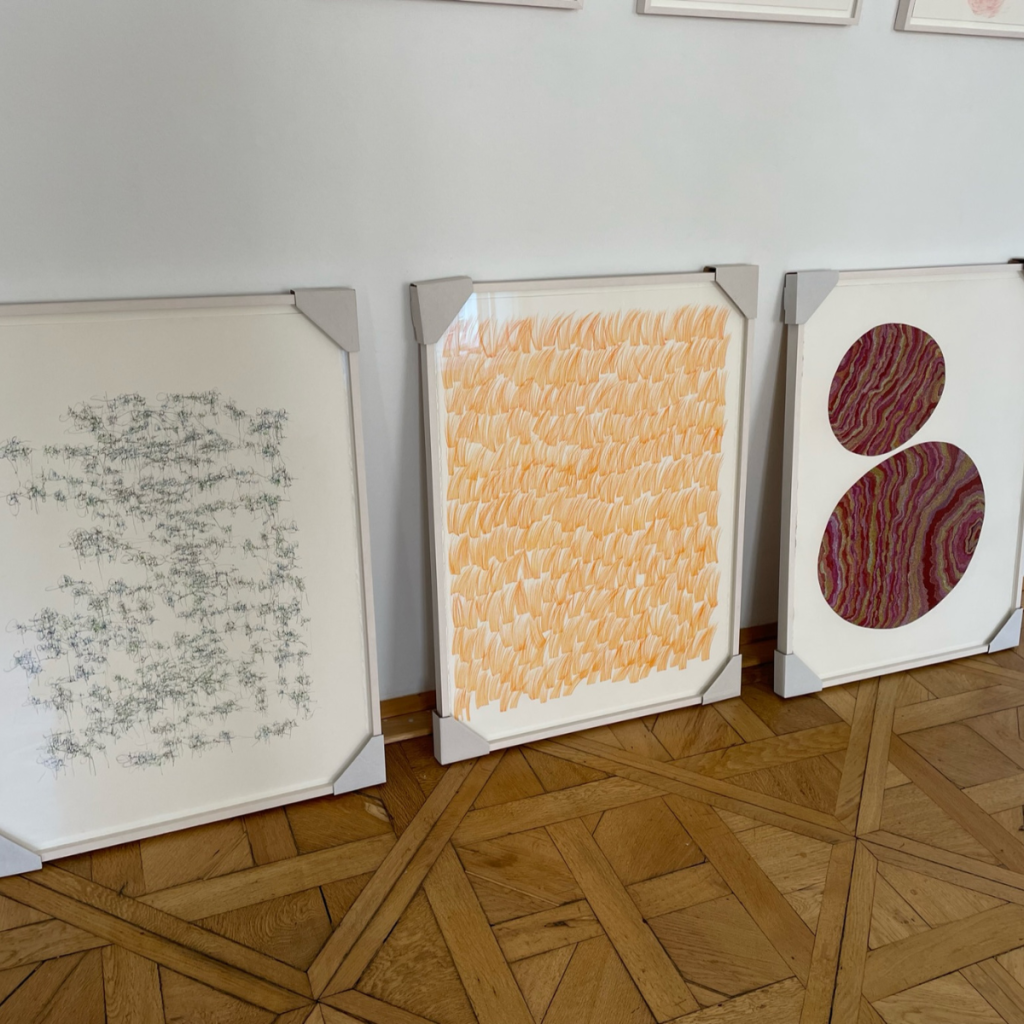
Some of our most memorable residential projects began with interior designers who understood that art should not be treated as an afterthought. In Victoria, British Columbia, we worked with Vancouver-based Andrea Rodman Interiors on a private residence shaped by a Japandi sensibility, where natural materials, simplicity and craftsmanship created a calm architectural language. Our role was to introduce contemporary artworks that could live within that restraint while still bringing strength, individuality and emotional depth into the home. The selection included artists such as Bobbie Burgers and Pia Fries, and every decision considered not only scale, palette and placement, but also market relevance, framing, logistics and the story the home wanted to tell. The project became a reminder that art can be both quiet and powerful when it is chosen with enough sensitivity to the space.
In New York, our collaboration with Laurence Carr brought another dimension into the work. Her design concept was rooted in sustainability, wellbeing and healthy living, and the art collection needed to respond to that philosophy with the same level of care. Laurence once said, “Being surrounded by great works of art is an often overlooked way to support one’s wellbeing and sense of fulfilment. In this home, the artworks therefore serve a dual purpose: beauty and function.” That thought still reflects something I believe deeply. Art affects how we feel in a room, how we connect to a place, and how we remember everyday life within it. For this family home, we introduced emerging and established artists including Brendan Stuart Burns, Nike Schroeder, Damien Flood and Mirela Cabral. The collection reflected the family’s love for international cultures, mixed media, craft and contemporary visual language, while the process itself followed more responsible decisions wherever possible: shipping works rolled, framing them locally near the collectors’ home, reducing unnecessary transport and supporting local specialists.
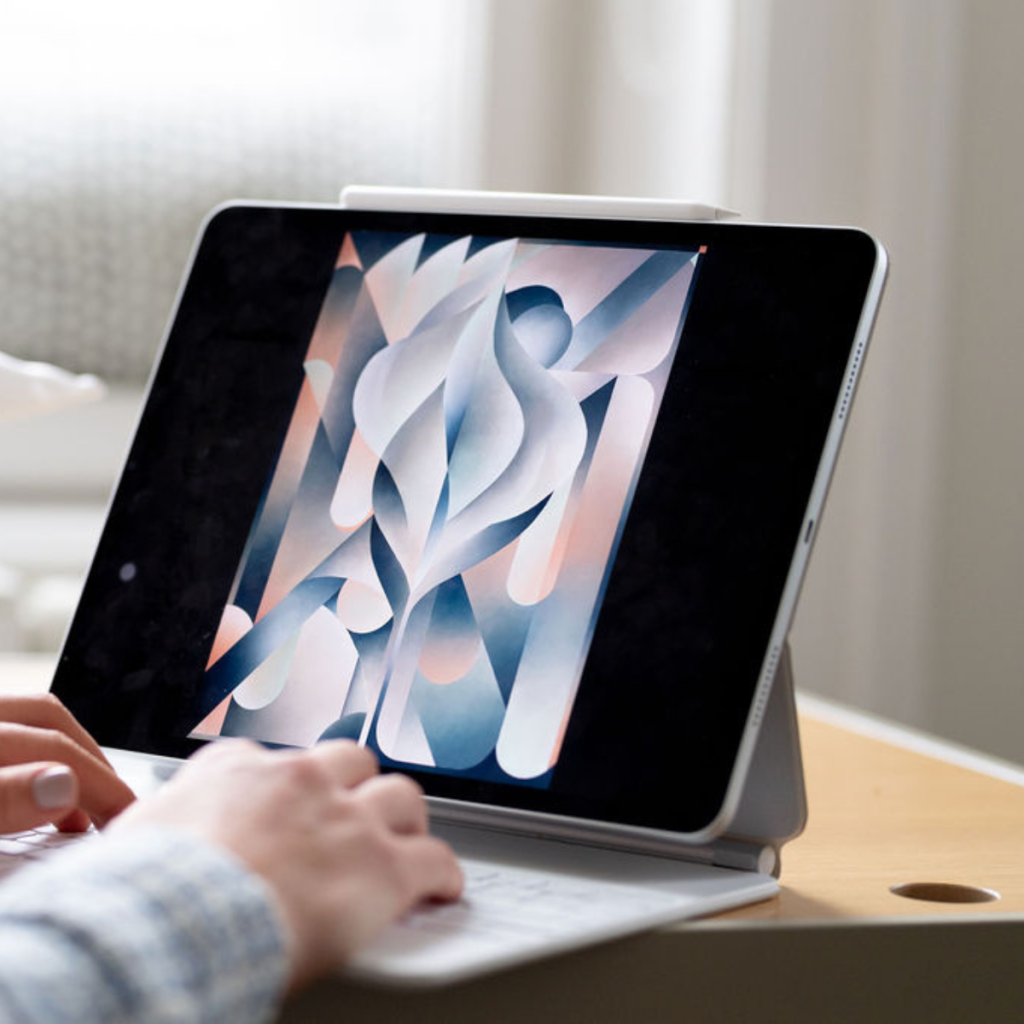
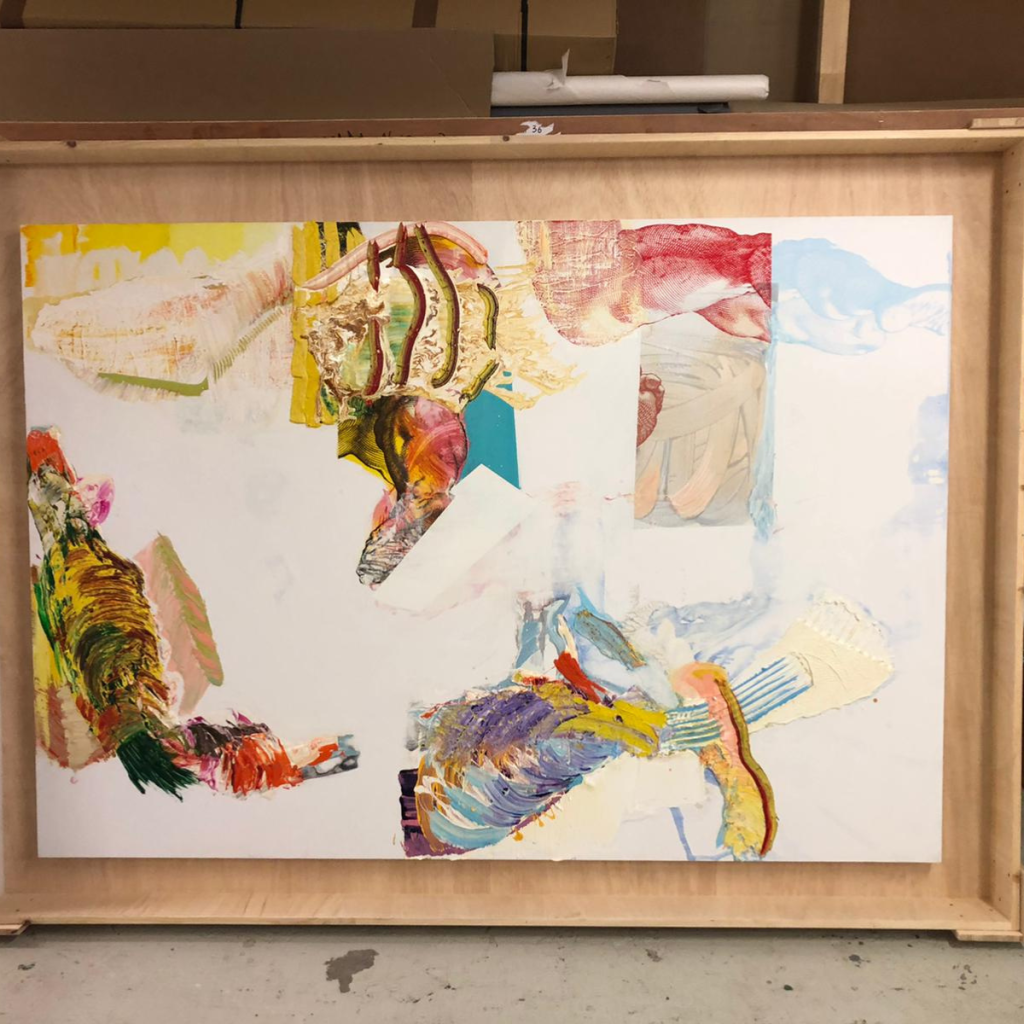
The Zadar villa asked for a very different response. Here, the sea was the protagonist. The architecture, the use of concrete, wood, rare metal alloys and Croatian stone created a strong relationship with the surrounding landscape. We selected works that could enter into this dialogue without becoming literal. Jonathan Smith’s large-scale fine art photographs brought the sea into the interiors in a poetic way, while Perry Roberts’ minimal textile works on canvas created a subtle connection with the villa’s palette and forms. Projects like this remind me that art does not need to explain a place in order to belong to it.
Across these homes, from Victoria to New Jersey, Zadar, Frankfurt, New York and Venice, Los Angeles, one thing became increasingly clear to me: the most meaningful collections are never built through speed. They grow through dialogue, trust, experience and access. Access to artists a client may never have discovered alone. Access to galleries, studios, framers, art handlers and specialists. Access to emerging voices, mid-career artists and established names. Access, also, to the confidence needed to commission something bespoke, especially when a client has fallen in love with an artist’s language and wants to bring that connection into their own home. These are the moments that make the work so personal. A collection begins to move beyond selection and becomes part of someone’s life.
What I have also learned is that remote collaboration is only possible when structure and care are strong enough to hold distance. Working with interior designers across different cities and time zones means listening carefully, communicating clearly and taking responsibility for every phase of the process. It means knowing when a work should be framed locally to save cost and resources, when a specialist needs to inspect a piece, when insurance coverage must be reviewed, when import and export documents require additional attention, and when an installation team needs more guidance before a work can be safely placed. These details may never be visible in the final photograph, but they shape the integrity of the project.
Access to artists a client may never have discovered alone. Access to galleries, studios, framers, art handlers and specialists. Access to emerging voices, mid-career artists and blue chip names.
To the interior designers, architects, collectors and hospitality teams who have trusted us over the years: thank you. It has been a privilege to join your projects, your clients and your spaces with contemporary art and our expertise.
Perhaps that is why I feel so grateful when I look back. These projects were never only about artworks. They were about people trusting us to bring something meaningful into their homes. They were about interior designers inviting us into their vision early enough for art to become part of the experience, not an addition at the end. They were about collectors discovering new artists, supporting local businesses, investing in craft, and sometimes beginning a relationship with contemporary art that continues long after the project is finished.
From Salzburg to the world, this has been our path: to connect artists, interiors, collectors and places with care. To build collections that are personal, considered and professionally managed from first idea to final installation. To honour the creative vision of our collaborators while protecting the artwork, the artist and the client’s investment. And to remember, again and again, that no meaningful project is ever created alone.
To the interior designers, architects, collectors and hospitality teams who have trusted us over the years: thank you. It has been a privilege to join your projects, your clients and your spaces with contemporary art. And to those currently shaping private homes, hotels, residences or developments where art should become part of the story from the beginning, our door is open. From one artwork to an entire collection, we would be delighted to begin the conversation.