Original art, personalisation and the work behind an art collection that truly belongs.
Hospitality is increasingly focused on experiences, personalisation and creating a stronger sense of place. Art is often expected to contribute to that ambition. Yet it still enters many projects rather late. The architecture is resolved, the interiors are nearly complete and the available walls have been measured. Only then does the conversation turn to what might be placed on them.
An attractive answer can still be found. But by this stage, art is being asked to respond to a space in which almost every meaningful decision has already been made.
For VELVENOIR, the purpose of a hospitality art collection is not to complete the styling of a property. It is to introduce artistic perspectives capable of contributing to its identity.
That requires a more demanding question: what is the property prepared to support, communicate and make possible through art?

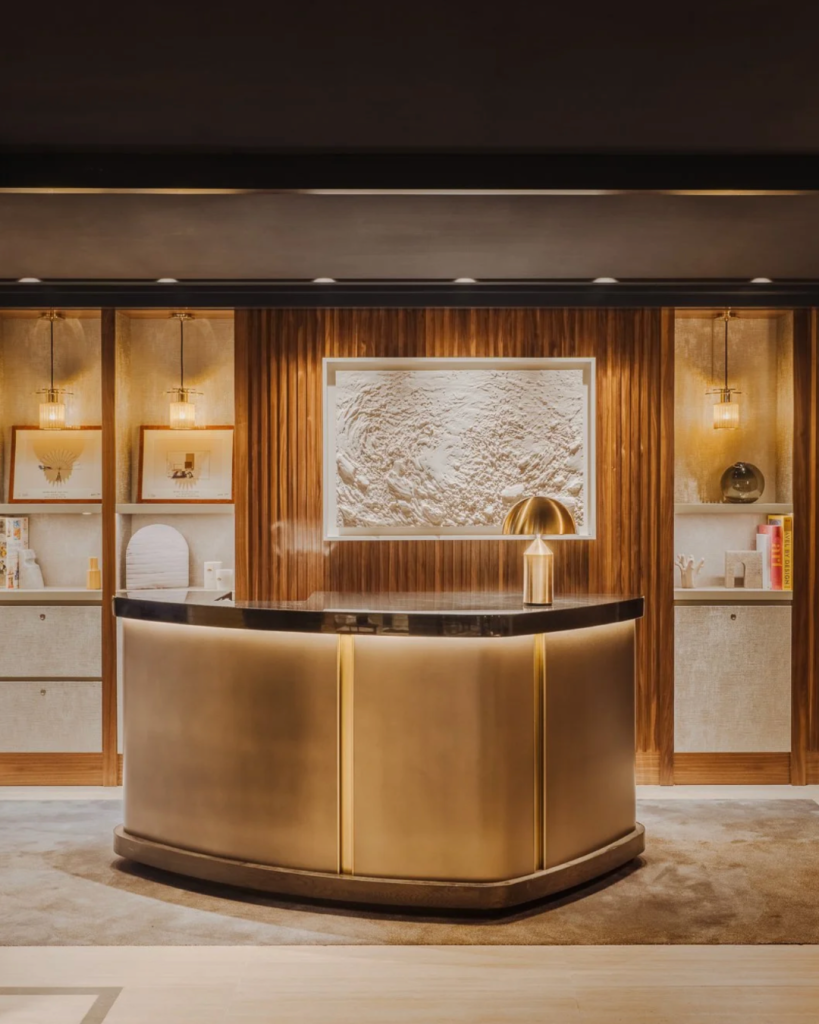
PERSONALISATION CANNOT BE ORDERED FROM A CATALOGUE
An art collection becomes personal through the attention given to the property: its history, architecture, location, ambitions and the people who will experience it.
It may begin with a family archive, a contradiction within a city, a material discovered on site or a conversation that shifts the direction of the brief. These starting points cannot be standardised because they should not exist before the property has been properly understood.
Nor should the outcome become a literal illustration of the destination. A mountain hotel does not automatically require paintings of, well, mountains. A coastal property does not need an endless sequence of blue works. Recognition alone is not the same as meaning. The artwork must still belong to the artist’s practice.
Our role is to identify where that practice can enter into a credible relationship with the project, without reducing the artist’s work to a visual translation of the interiors.
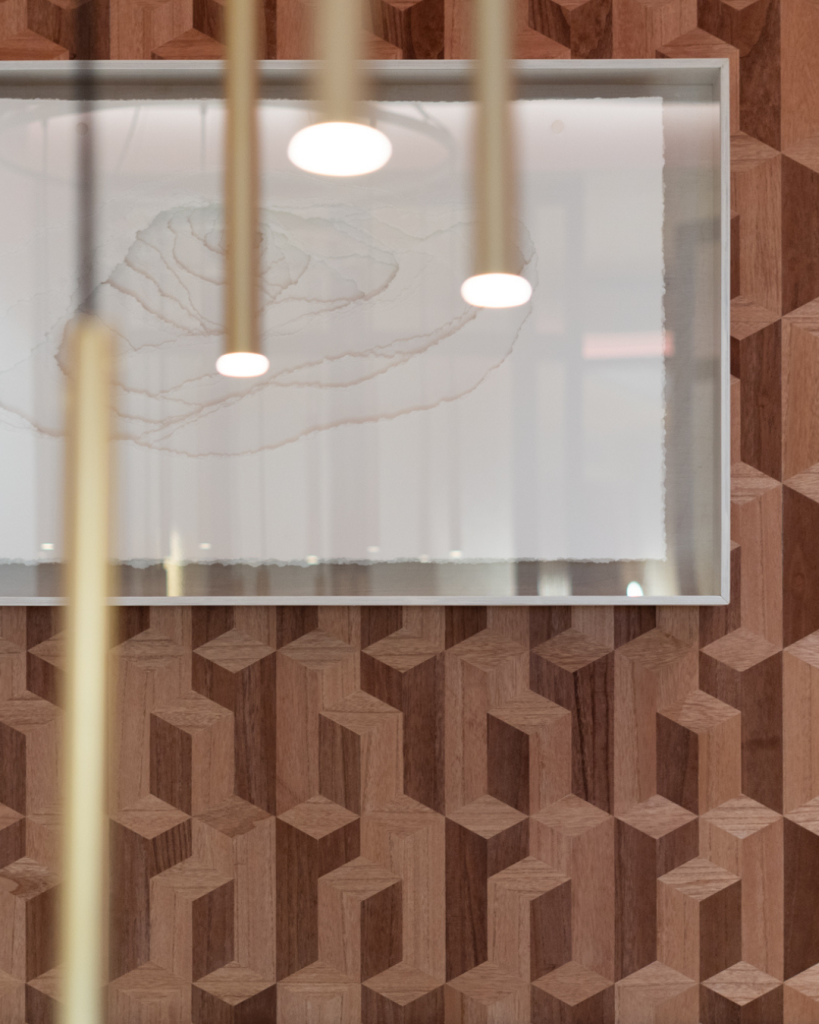
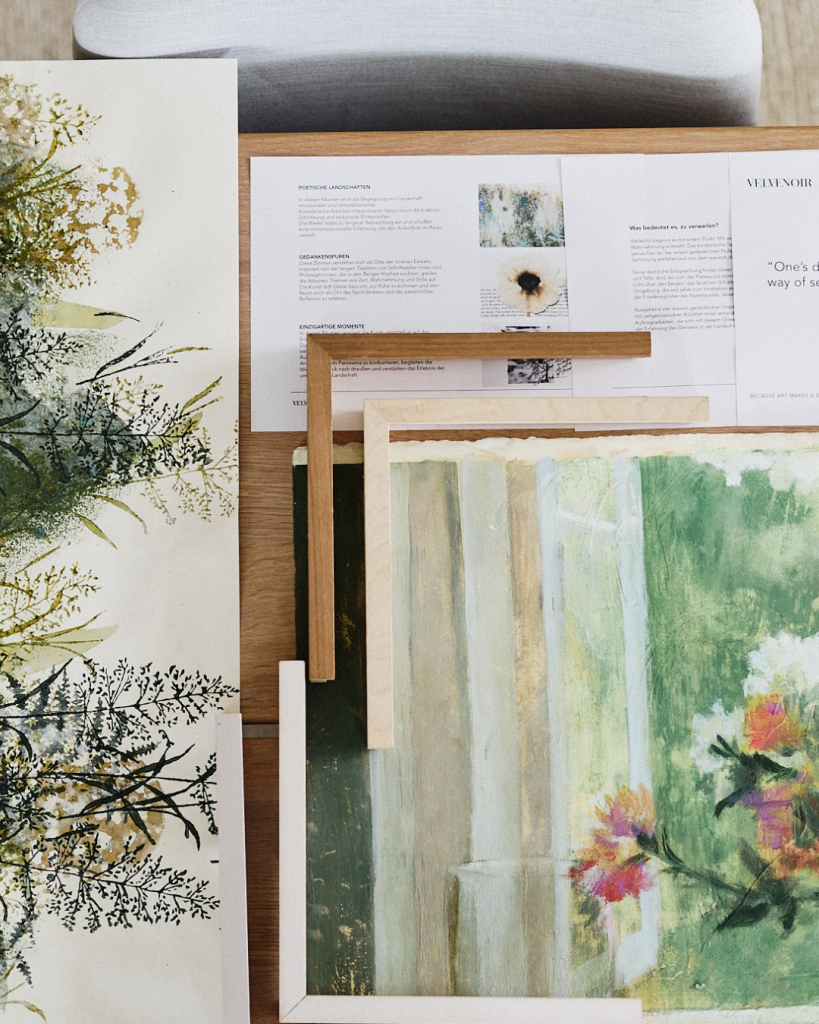
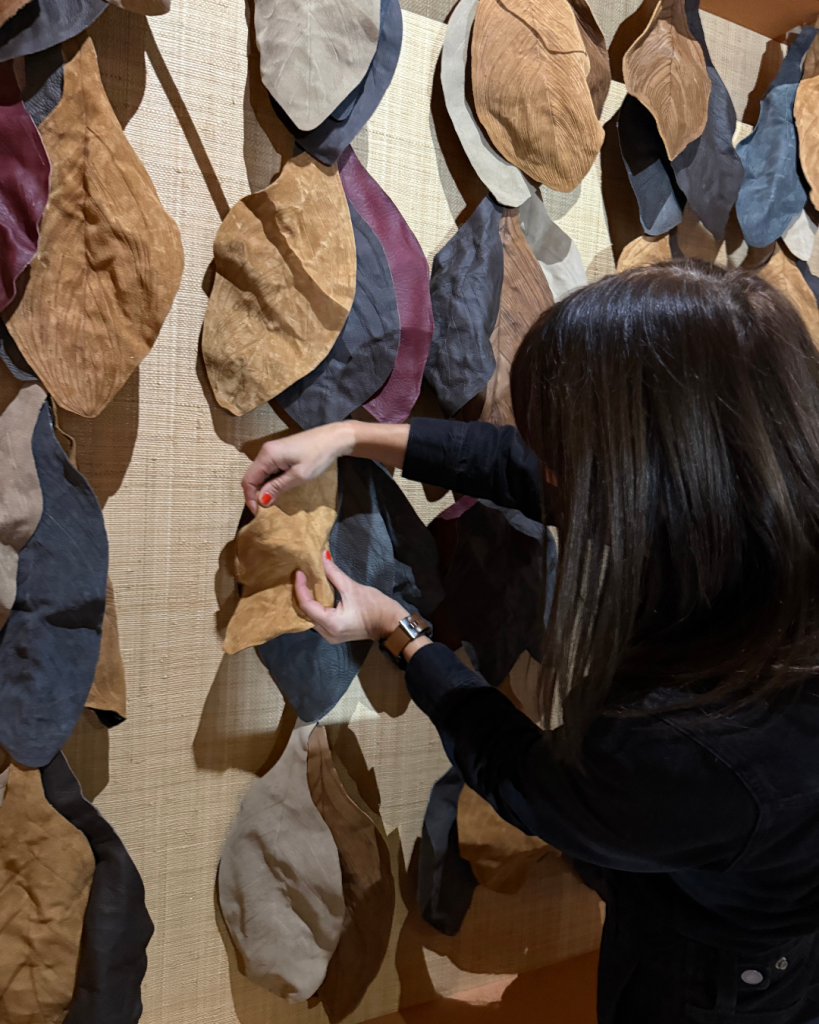
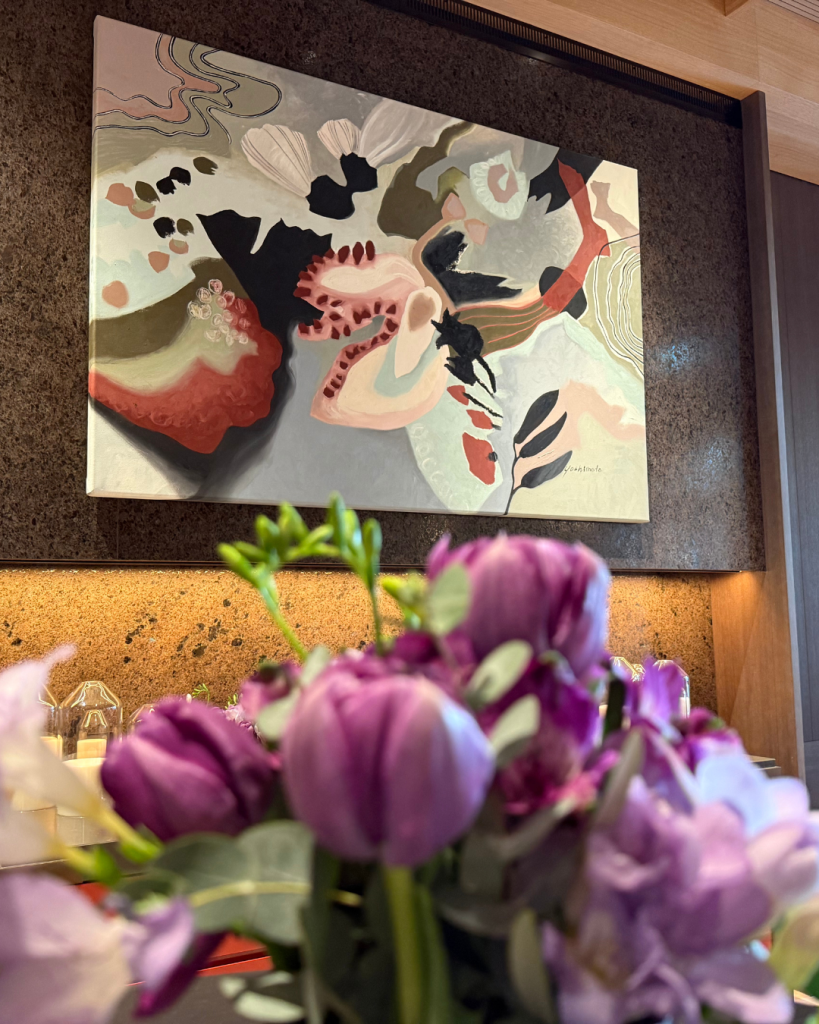
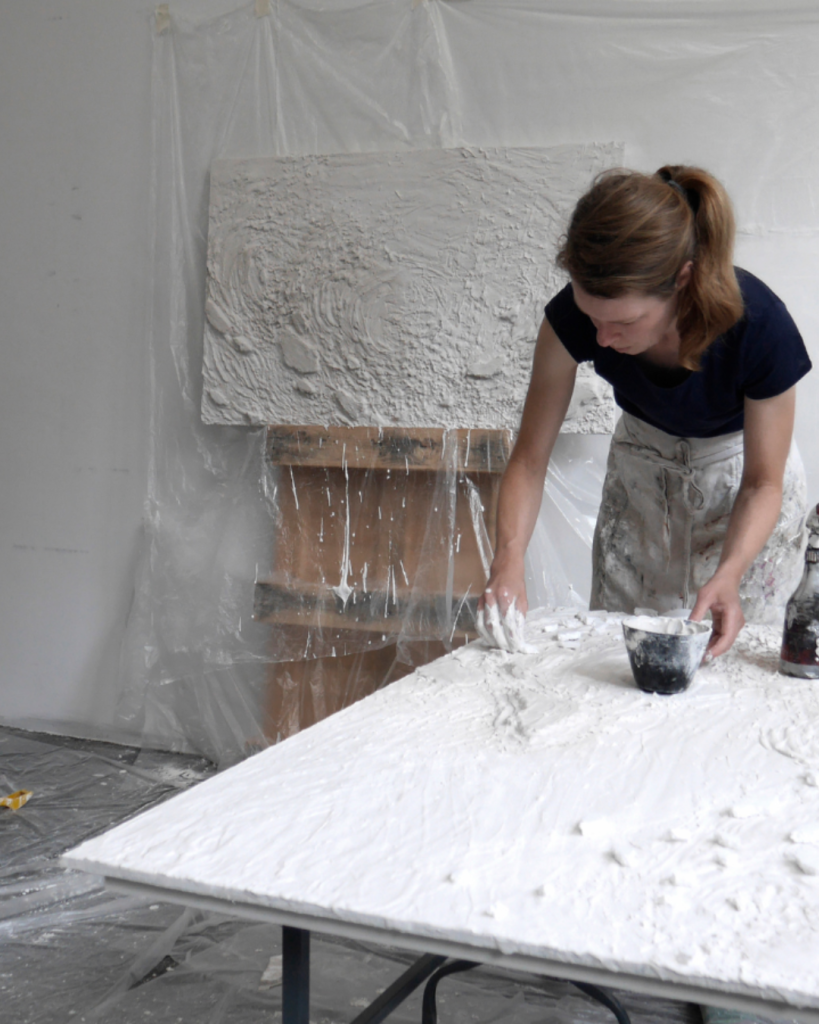
Inviting artists into the process earlier changes what can be considered. An artist might respond to the architecture, landscape or history of the property. They may recognise significance in something that no one else involved in the project had noticed. A material, fragment or memory can become the starting point for work that could not have been specified in advance.
This does not mean every project requires a commission. An existing work may express the curatorial idea more strongly. An artist edition or original print may be right for one setting, while a site-specific work anchors another. Sometimes the most considered decision is to leave a space alone.
What matters is preserving enough room in the process for these decisions to remain possible. Once the requirement has been reduced to dimensions, palette and delivery date, the artist is no longer being invited to contribute meaningfully. Their work is simply being asked to occupy a gap.
WHAT THIS LOOKED LIKE AT HOTEL SCHNEIDER
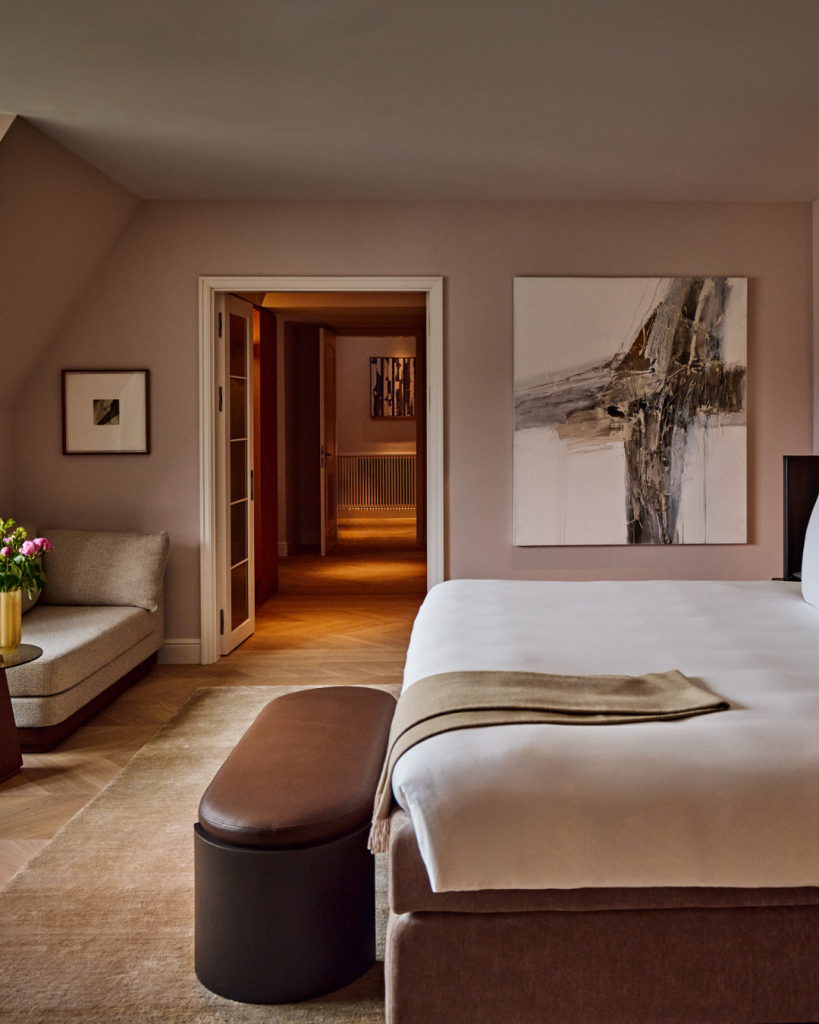
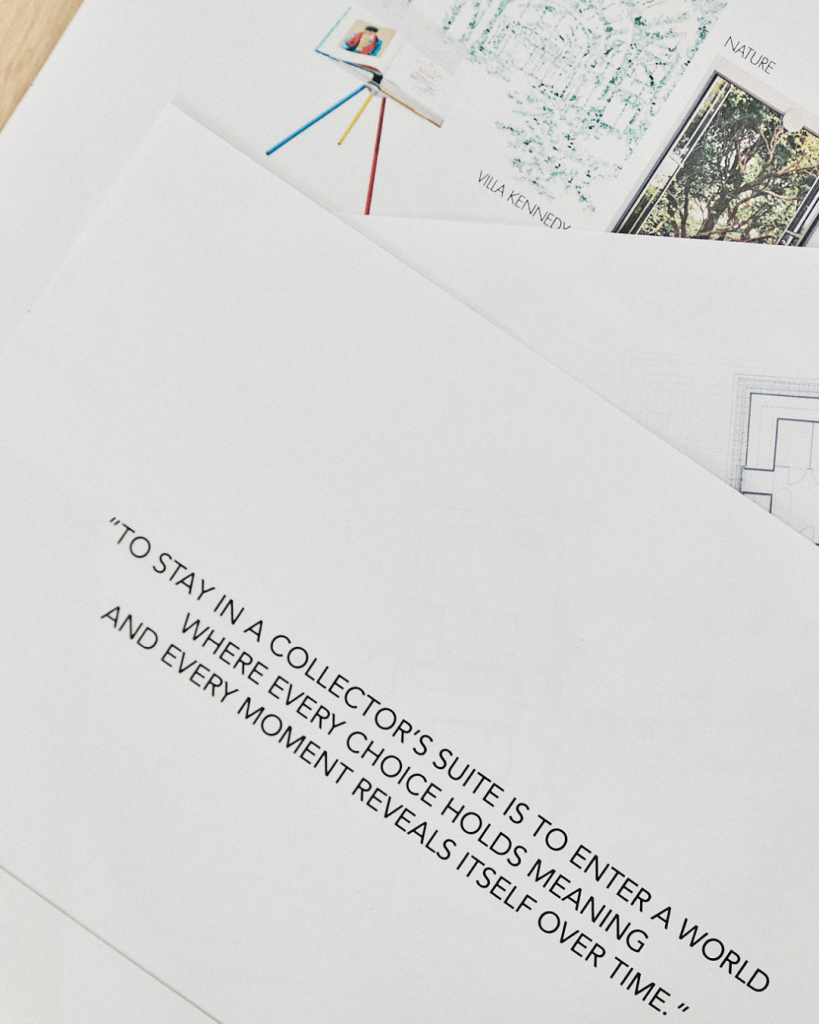
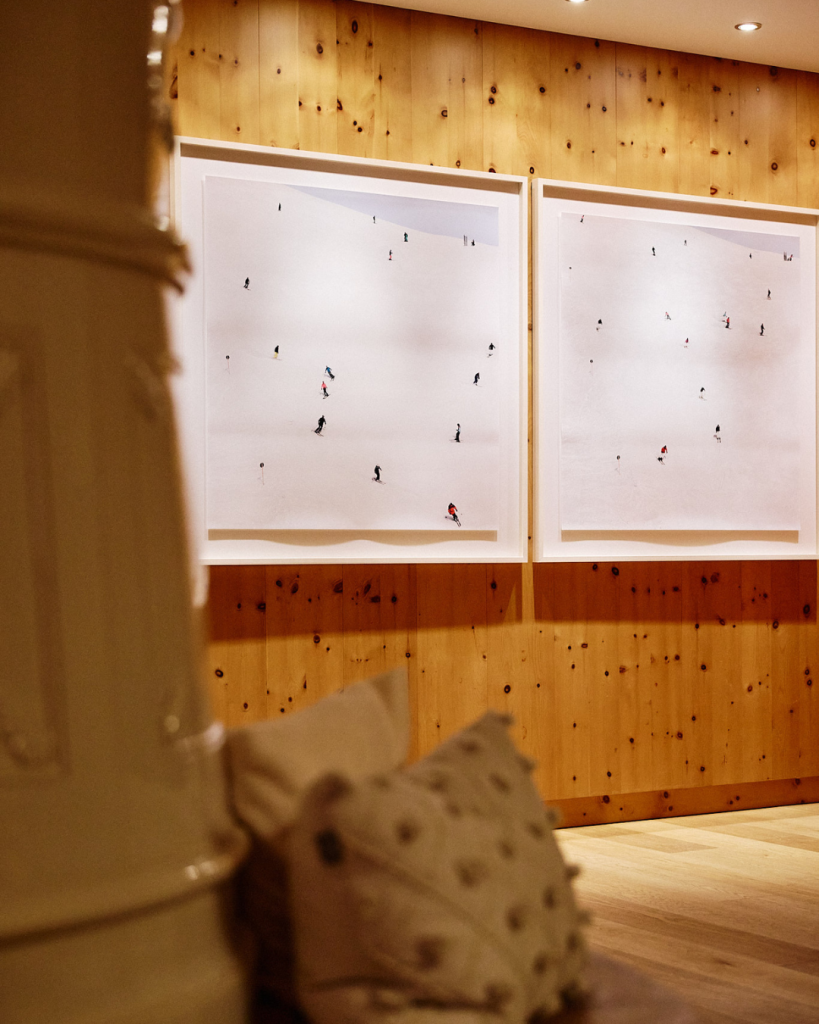
At Hotel Schneider in Obertauern, we began with the Schneider family’s history and its relationship with the surrounding alpine landscape. Archival photographs, handwritten notes and everyday objects from the family’s early years on the Brettsteinalm became the emotional material of the project.
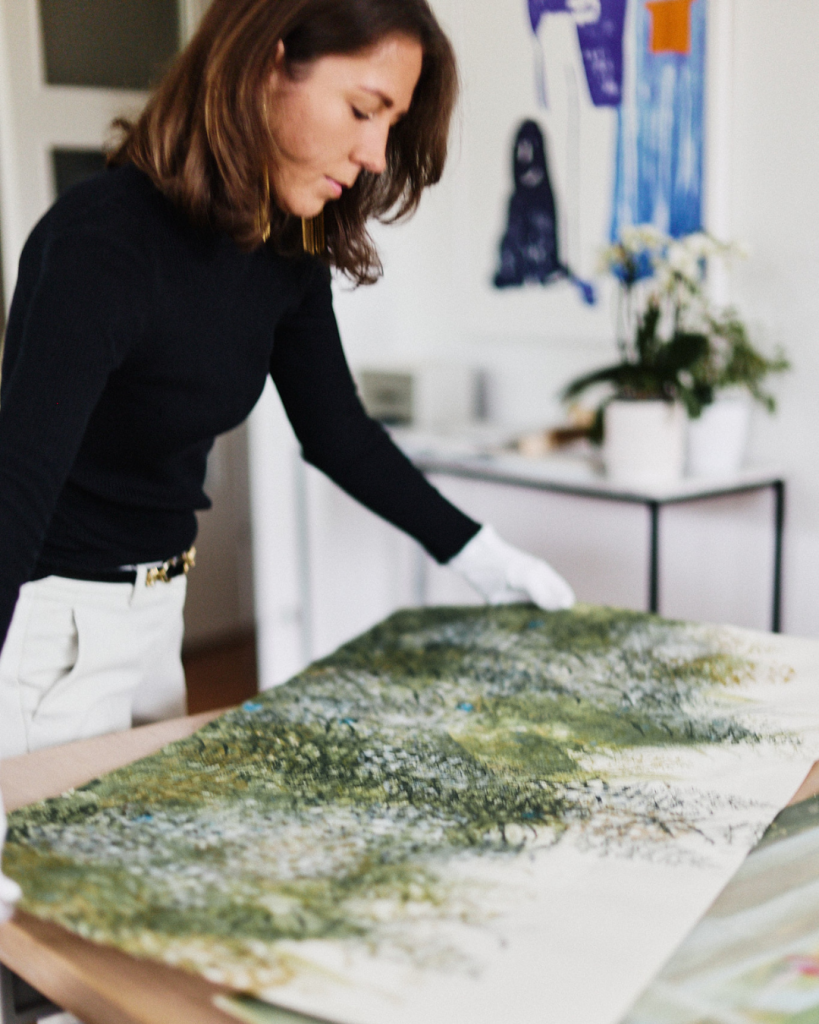
Rather than reproducing that material throughout the hotel, we invited four international artists whose practices share an attentiveness to place, memory and transition. Through on-site residencies, each artist spent time in Obertauern and developed an individual response to its landscape, rhythms and family history.
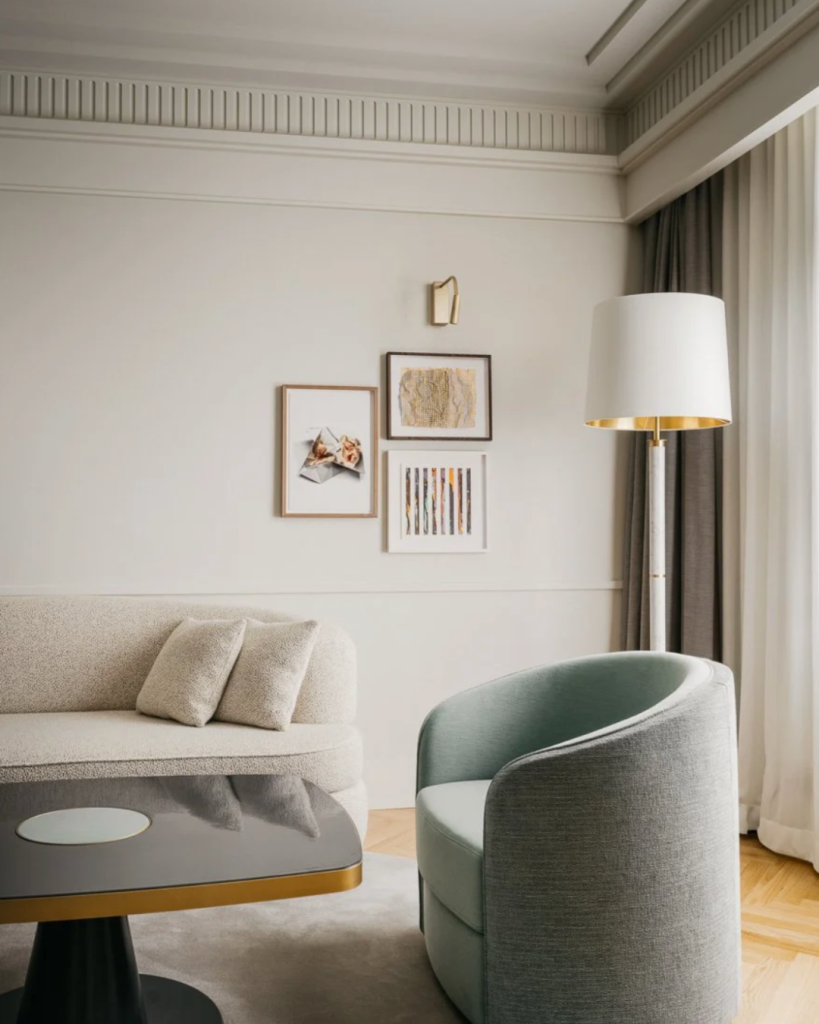
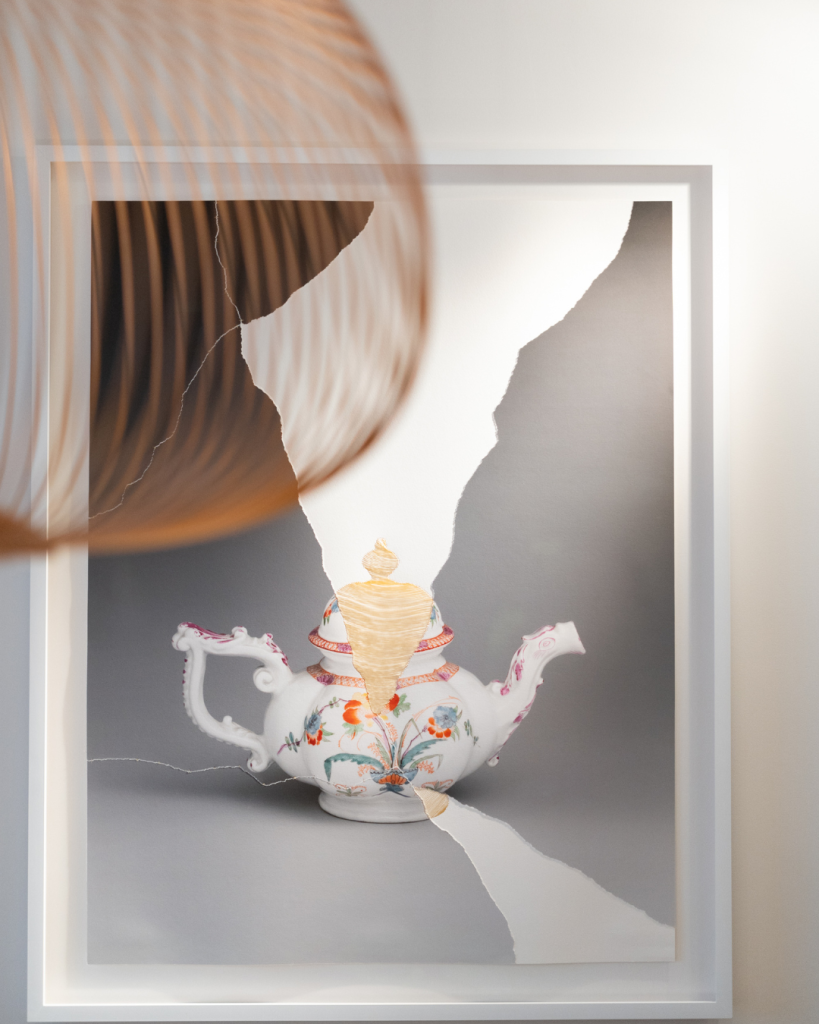
The resulting art collection, Timeless Stories, comprises 28 commissioned works installed throughout the hotel’s suites, corridors and shared spaces.
The art collection is deeply personal, but not literal. It belongs to Hotel Schneider because its source material, relationships and artistic encounters could not have begun anywhere else.


FROM CURATORIAL CONCEPT TO FINAL INSTALLATION
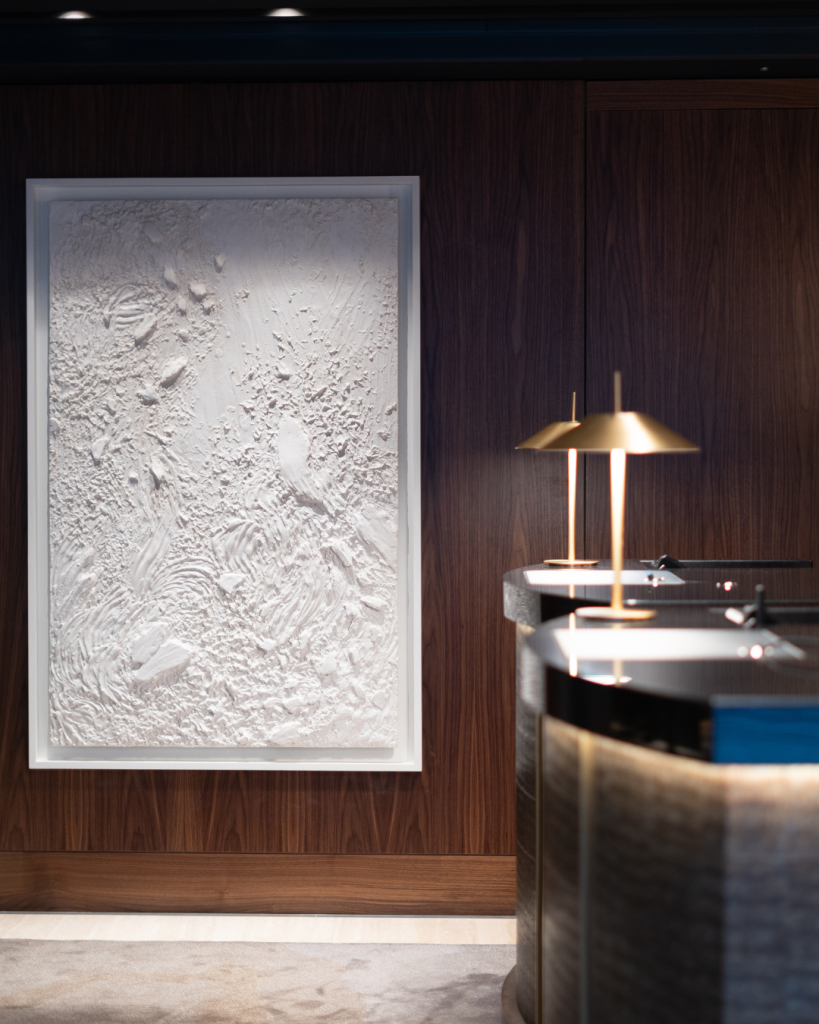
At Mandarin Oriental Savoy, Zurich, the context and scale were entirely different. VELVENOIR developed Facets & Fragments of Zurich, a permanent art collection bringing together more than 25 artists and over 250 artworks. The concept responded to the contrasts shaping the city: lake and mountain, heritage and innovation, established traditions and reinvention.
Within the hotel’s corporate and event spaces, the art collection includes 25 commissioned works, 23 of which were created by women artists.
This was not a percentage imposed once the selection was complete. It emerged through research, relationships with galleries and studios and the practices considered throughout the project.
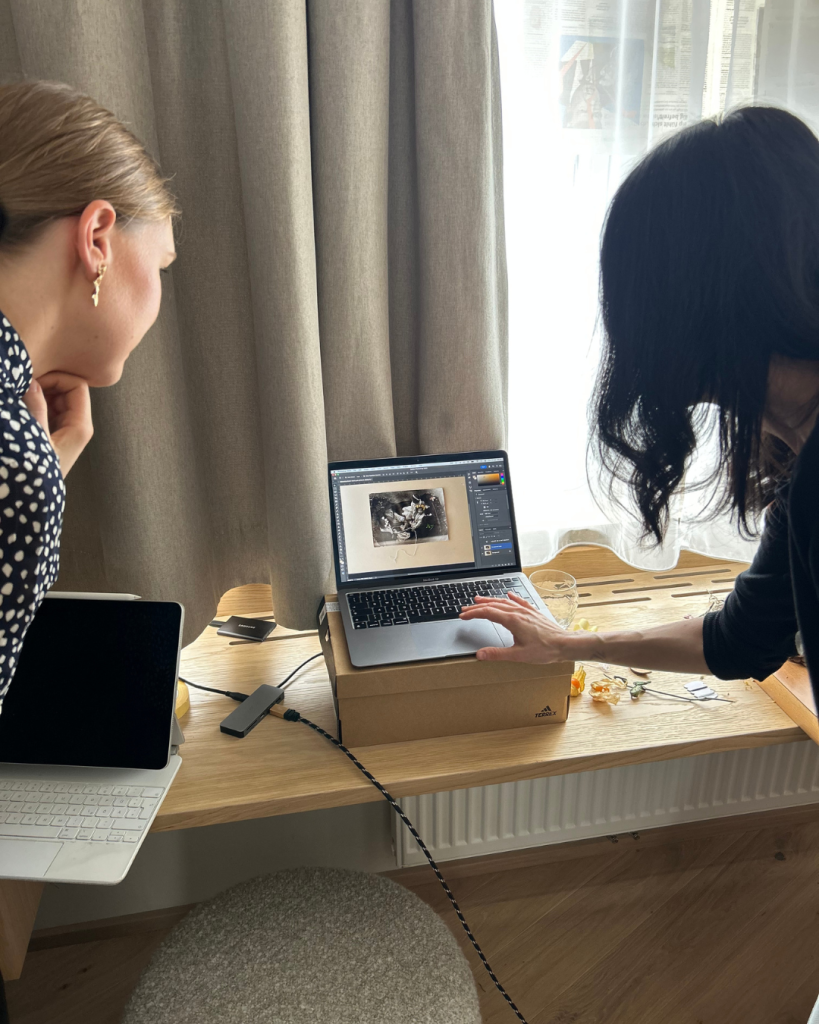
A curatorial concept only becomes meaningful when it shapes decisions throughout the project: which artists are commissioned, how the budget is distributed, and where the artworks are given prominence. As deadlines tighten and technical challenges arise, it can be tempting to choose works simply because they are readily available or easier to install. Our role is to ensure that these practical pressures do not weaken the original idea behind the art collection.
Art advisory therefore extends far beyond an initial selection. It involves protecting the art collection’s integrity through acquisition, commissioning, production, transport, installation and communication.
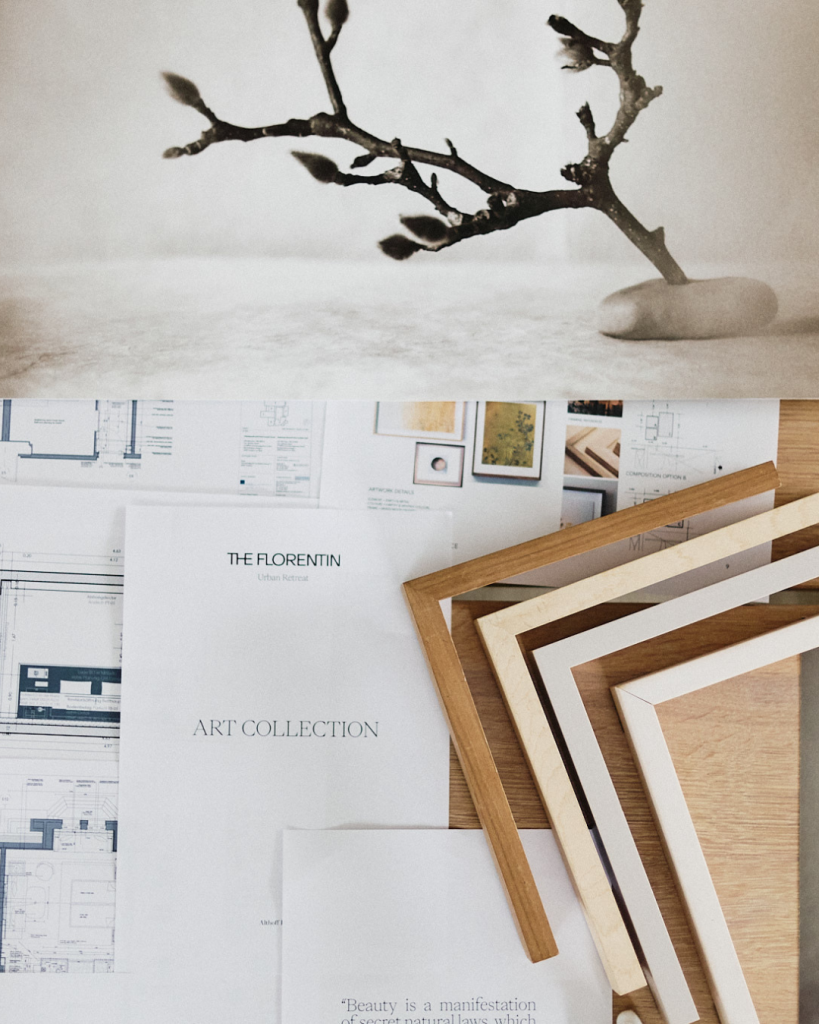
An artist does not work like a conventional supplier, and an artwork cannot be managed like another item on a procurement schedule. Commissions require dialogue and trust. Materials may behave unexpectedly. Galleries, studios, fabricators, framers, transport specialists and installers may all be involved before a work reaches its final location.
Hospitality brings its own requirements. An art collection must function within a property used continually by guests and staff. Circulation, housekeeping, maintenance, security, environmental conditions and long-term care all influence what can be installed and where.
The expertise lies in holding these two realities together. The artist’s practice must retain its integrity. The hotel must be able to live with, protect and communicate the work. Neither consideration can simply be imposed on the other. This is often the least visible part of developing a hospitality art collection, but it is what allows the final encounter to feel effortless.
HOTELS HAVE SOMETHING THE ART WORLD IS ALWAYS LOOKING FOR
An audience. And often a remarkably international one.
Guests arrive with very different relationships to contemporary art. Most have not chosen the hotel because they intend to spend time with an art collection. This is precisely where the opportunity lies. A guest may notice a work while waiting for someone, pass it several times before stopping or search for the artist afterwards. Or the artwork may simply become part of how they remember the property.
A hospitality art collection can therefore create value in more than one direction. It contributes to the guest experience and identity of the property while supporting artists and extending the audience for their work.
For us, that is the difference between participating in culture and borrowing its appearance.
SO, WHY BOTHER?
Original art asks more of a hospitality project than selecting reproductions from an available catalogue.
It requires research, artistic judgement, collaboration and long-term coordination. In return, a hotel can support living artists, create work that would not otherwise exist and build an art collection inseparable from its history, location and values.
The question is not whether every hotel needs more art. Nor is original art automatically meaningful simply because it is original.
The question is whether a property is prepared to approach art with enough attention, knowledge and conviction for its art collection to belong.
This is Part I of our exploration of art and culture in hospitality. In Part II, we widen the conversation beyond the art collection itself to ask what cultural investment can contribute to a property, and what meaningful participation asks in return.