Beyond the Ordinary: The Long-Term Art World Trends Shaping Hospitality, Healthcare Clinics and Cultural Spaces from 2026 Onward

As we move into 2026, the art world is undergoing a structural shift. Attention is moving away from spectacle, rapid turnover, and market noise toward something more durable: cultural coherence, emotional intelligence, and long-term relevance.

For hospitality brands, healthcare and longevity clinics, and cultural or members-led spaces, this evolution is particularly significant. These environments are not designed for momentary encounters, but for repeated, often intimate interaction. Art within them must therefore do more than impress—it must endure, support, and quietly shape experience over time.

Below are the long-term art world trends beginning in 2026 that will define how spaces are conceived, curated, and lived with over the next decade.

Art as Cultural Strategy, Not a Final Layer

Across hospitality, private members’ clubs, and healthcare environments, art is increasingly embedded at the strategic level rather than introduced once architecture and interiors are complete.

This shift reflects a deeper understanding: art influences how a space is interpreted emotionally, how it is remembered, and how trust is established. From 2026 onward, leading projects are:

  1. Integrating art early in concept and spatial planning
  2. Using collections to articulate identity, values, and narrative
  3. Treating art as cultural infrastructure rather than visual enhancement

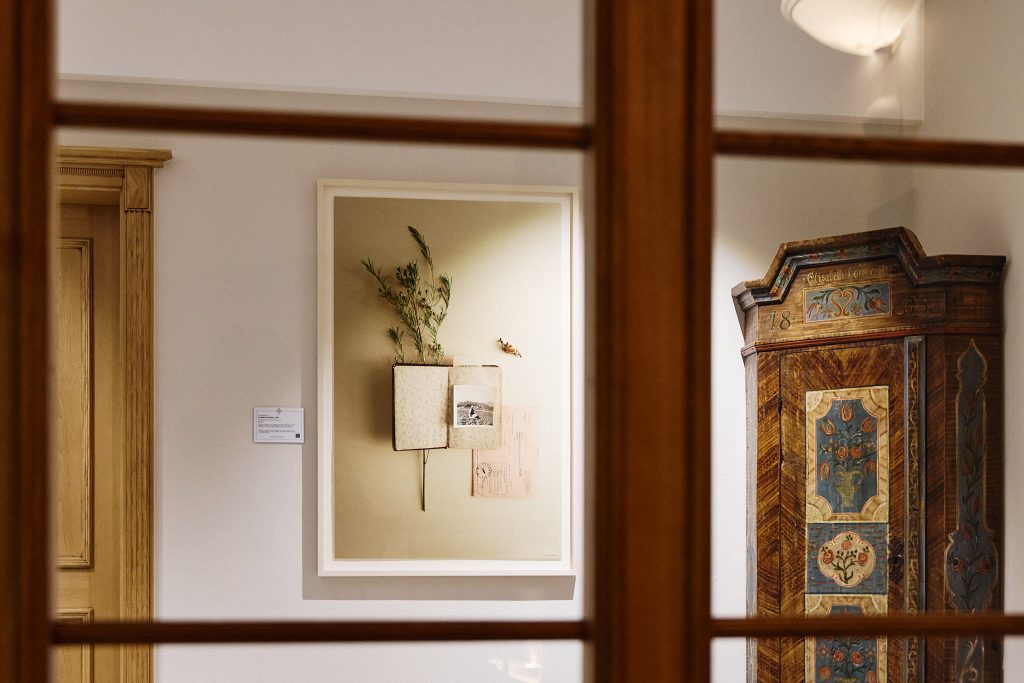
This approach has long been visible in the world of private members’ clubs, most notably at Soho House, whose site-specific art collections are curated to reflect both local creative scenes and a coherent global ethos. Recent discussions around the valuation and future of Soho House’s art collection have further underlined how deeply cultural assets are interwoven with brand identity and long-term value. Other references are 21c Museum Hotels or Faena Miami. 

Why this matters:
Spaces that integrate art strategically achieve continuity, depth, and differentiation that outlasts design trends.

The post-2026 art market increasingly rewards coherence over volume and intention over speculation. This is particularly relevant for environments where art is encountered daily rather than episodically.

Hospitality groups, clinics, and cultural institutions are reassessing collections through questions such as:

  1. Does this work support the long-term identity of the space?

  2. Can it remain relevant over years, not seasons?

  3. Does it hold cultural meaning beyond its moment of acquisition?

In hospitality and members’ environments, art collections are becoming repositories of brand memory, quietly reinforcing values, community, and credibility.

Long-term implication:
Art collections are no longer treated as interchangeable assets, but as cultural capital that accumulates meaning over time.

From Decorative Collections to Enduring Brand Capital

Human-Centred Making in a Technological Age

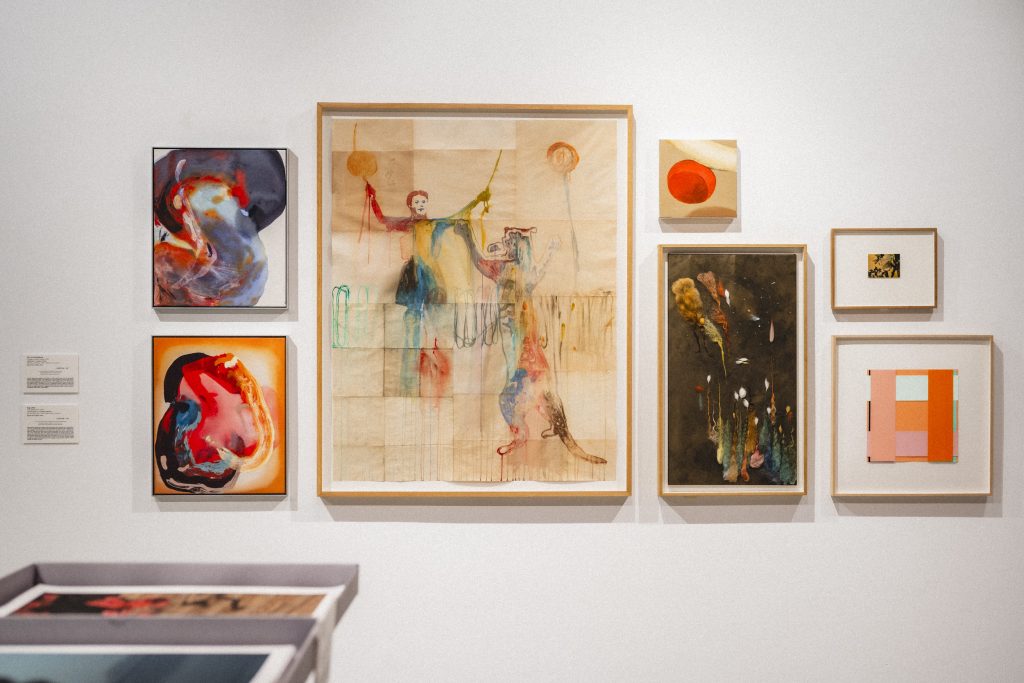
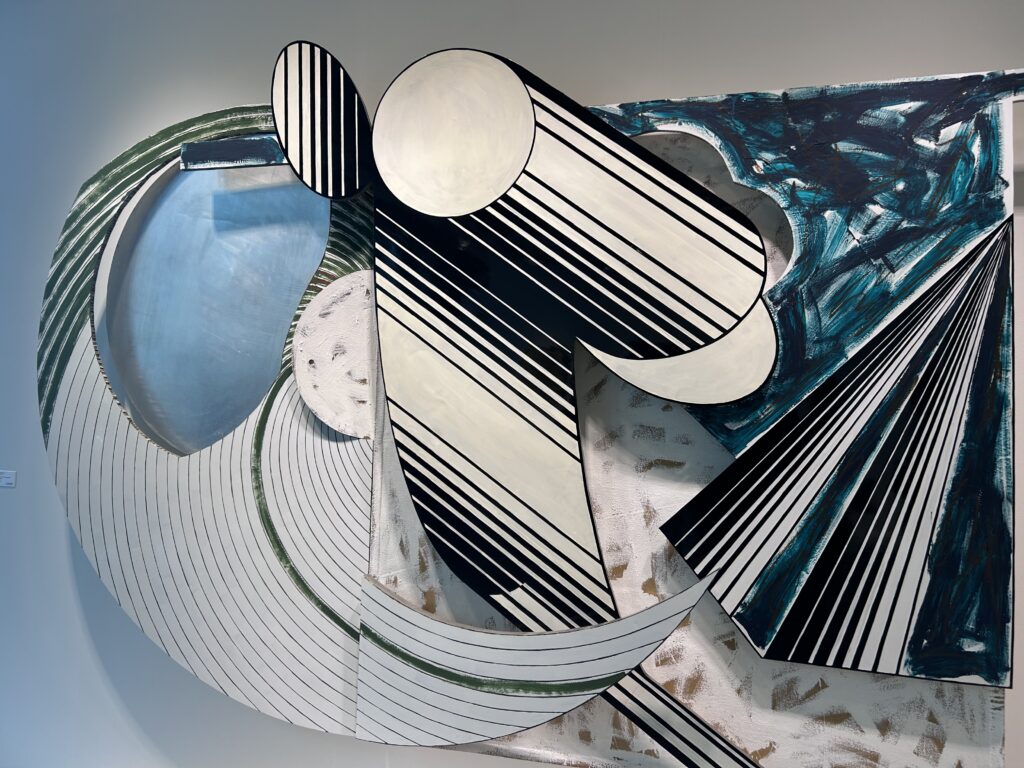
As AI-assisted creation and digital production become widespread, the art world is witnessing a parallel revaluation of human authorship, materiality, and process.

From 2026 onward, sustained attention is given to:

  1. Works that reveal gesture, labour, and time

  2. Materials that engage the senses and age with dignity

  3. Practices that foreground intention rather than automation

In hospitality and healthcare contexts, this human-centred quality is particularly powerful. Art that carries evidence of making can slow perception, foster calm, and create a sense of care—qualities increasingly sought in both restorative and social environments.

Why this matters:
Human-scale art supports emotional grounding in spaces designed for wellbeing, recovery, or prolonged stays.

Local Narratives Within Global Frameworks

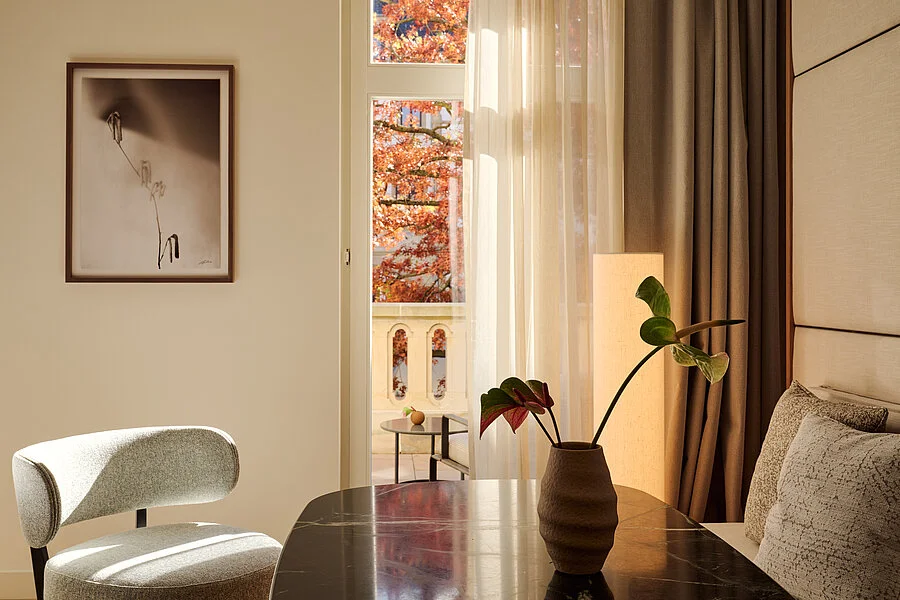
Globalisation has heightened—not diminished—the value of local cultural specificity. Leading projects from 2026 onward demonstrate a renewed commitment to place-based storytelling.

This manifests through:

  1. Collaboration with regional and locally rooted artists
  2. Site-specific commissions responding to architecture, history, or landscape
  3. Collections that act as cultural portraits of their location

For hospitality brands and clinics operating internationally, this approach allows spaces to feel authentic rather than generic, while still aligning with a wider brand language.

Enduring trend:
Art becomes a mediator between global identity and local context, strengthening relevance and resonance.

Art as Part of Wellbeing and Healing Environments

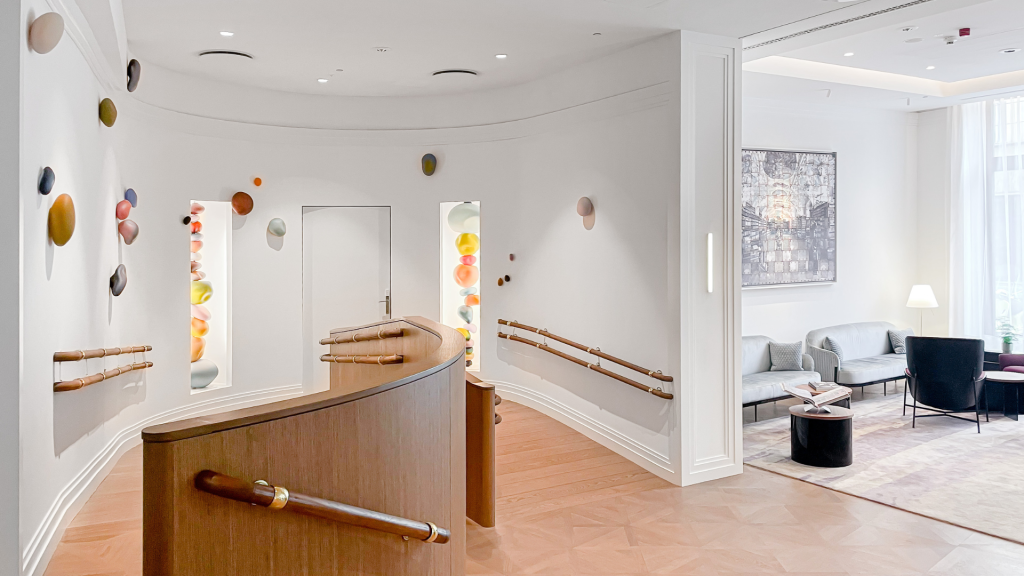
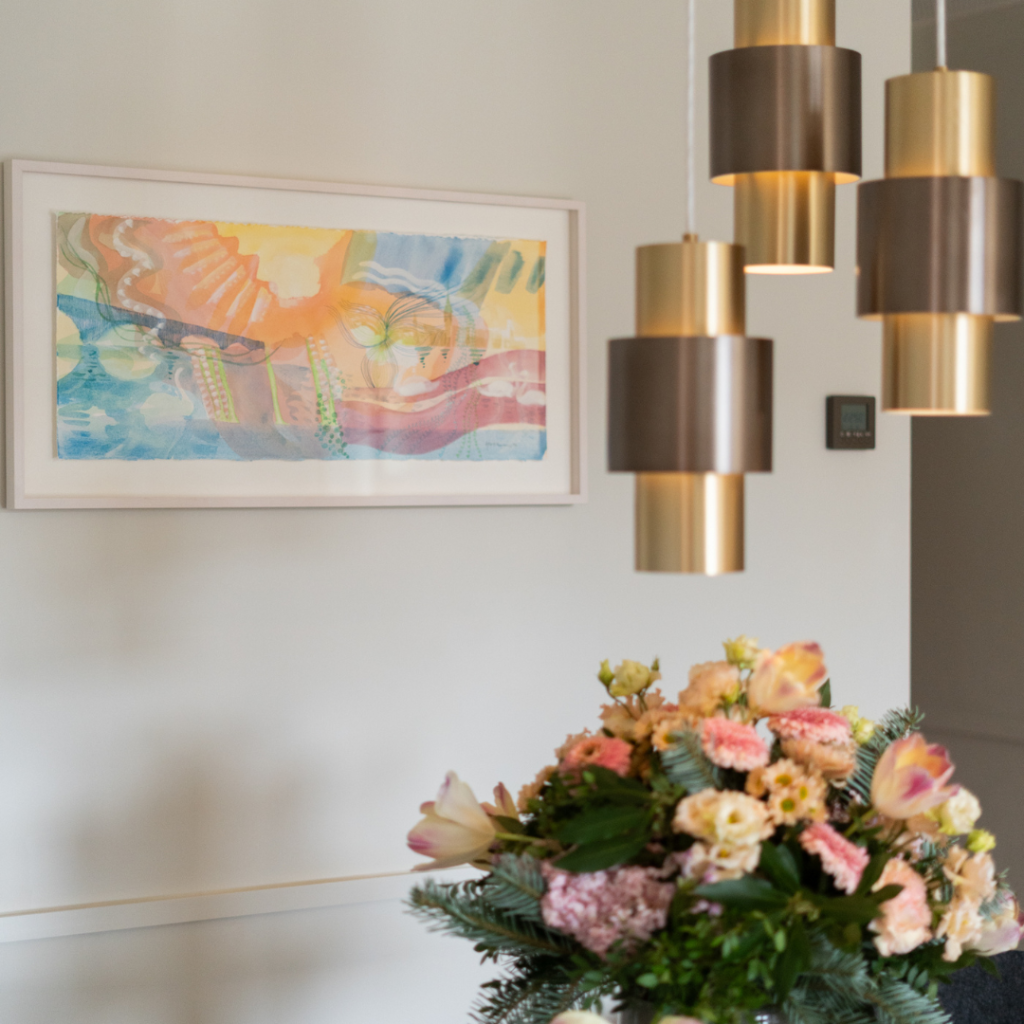
In healthcare clinics, longevity centres, and wellness-focused hospitality, art is increasingly recognised as an active contributor to emotional and psychological experience.

From 2026 onward, art is curated with attention to:

  1. Sensory balance and visual rhythm

  2. Emotional modulation rather than stimulation

  3. The cumulative effect of repeated exposure over time

Rather than demanding attention, such works create space for reflection and orientation, supporting environments where calm, trust, and recovery are central.

Why this matters:
Art that supports wellbeing becomes part of the therapeutic and experiential fabric of a space.

Art as a Catalyst for Community and Cultural Dialogue

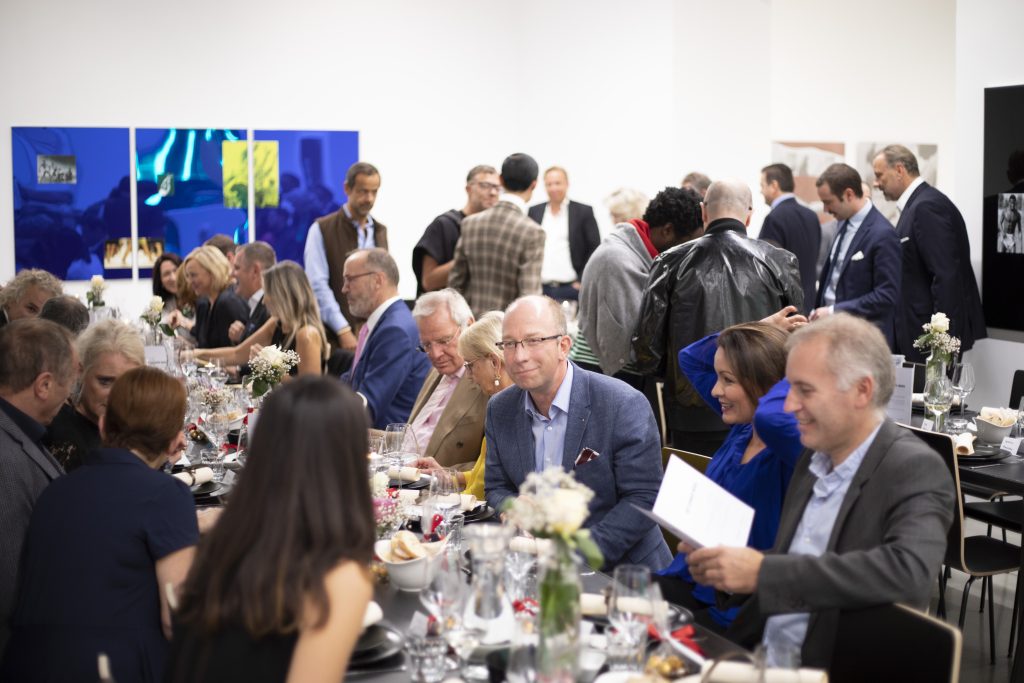
Private members’ clubs, hotels  and cultural spaces are reinvigorating the social dimension of art—using collections as catalysts for conversation, learning, and shared experience.

This includes:

  1. Artist talks and guided encounters

  2. Contextual storytelling embedded in the space

  3. Programming that positions art as a living dialogue

Art, in this sense, is no longer static. It becomes a shared reference point that strengthens community and collective identity.

Long-term shift:
Art transitions from background element to cultural connector.

Looking Ahead

The art world beyond 2026 is not defined by louder gestures or faster cycles, but by clarity of intention. For hospitality brands, healthcare clinics, and cultural spaces, this means making art decisions that acknowledge time as a collaborator rather than a threat.

At VELVENOIR, we work with clients who understand that art shapes more than walls. It shapes perception, memory, and meaning, quietly, consistently, and over the long term.

If you are considering how art can support the identity and longevity of your space, we are looking forward to our conversation. 

Contact

info@velvenoir.com | +43/ 676 55 11 252 

Write Us a Note

This website stores cookies on your computer. Cookie Policy

Stay connected to the projects we shape, the artists we collaborate with, and the collections now welcoming guests.

Fill out the form, to sign up to our monthly VELVENOIR N°ewsletters