WHAT IT TAKES TO BUILD A PERMANENT ART COLLECTION FOR HOTELS

A behind-the-scenes perspective from Prague, Zurich, Obertauern, and Frankfurt

A permanent hotel collection is not a moodboard brought to life. It is a long-term cultural decision, one that has to hold through seasonal change, repeat guests, shifting teams, and the gradual loss of relevance that comes from rushed decisions.

When it works, guests rarely “analyse” it. They sense it. The hotel feels anchored, specific, and lived-in, without needing to explain itself. 

Looking back at four collections we developed—Andaz Prague, Mandarin Oriental Savoy Zurich, Hotel Schneider Obertauern, and The Florentin Frankfurt—the work always came down to the same thing: treating the collection as part of the hotel’s identity system, built with time in mind. 

The work starts long before any artist is approached

Clients often imagines the process beginning with “who to collect.” In reality, the first phase is less about names and more about questions:

  • What does the hotel want to carry over years—not just at opening?
  • What does the place already contain: myths, archives, materials, rituals, traditions, existing art inventory ?
  • Where should art slow people down, where should it accompany movement, and where should it disappear into the rhythm of a stay?

At Andaz Prague, the concept began with the city itself: walking, reading, sitting in libraries, starting from a single question: What if the art inside the hotel could mirror the legends outside its walls?

At Hotel Schneider Obertauern, the starting point was not a theme but the family’s own belongings: archival photographs, handwritten notes, everyday objects, fragments that allowed the collection to grow from lived history rather than an imposed narrative. 


(c) Nico Zuparic | Hotel Schneider Obertauern

A hotel collection becomes permanent in a meaningful sense only when it is developed alongside the architecture and interior world, not added once the project is already set.

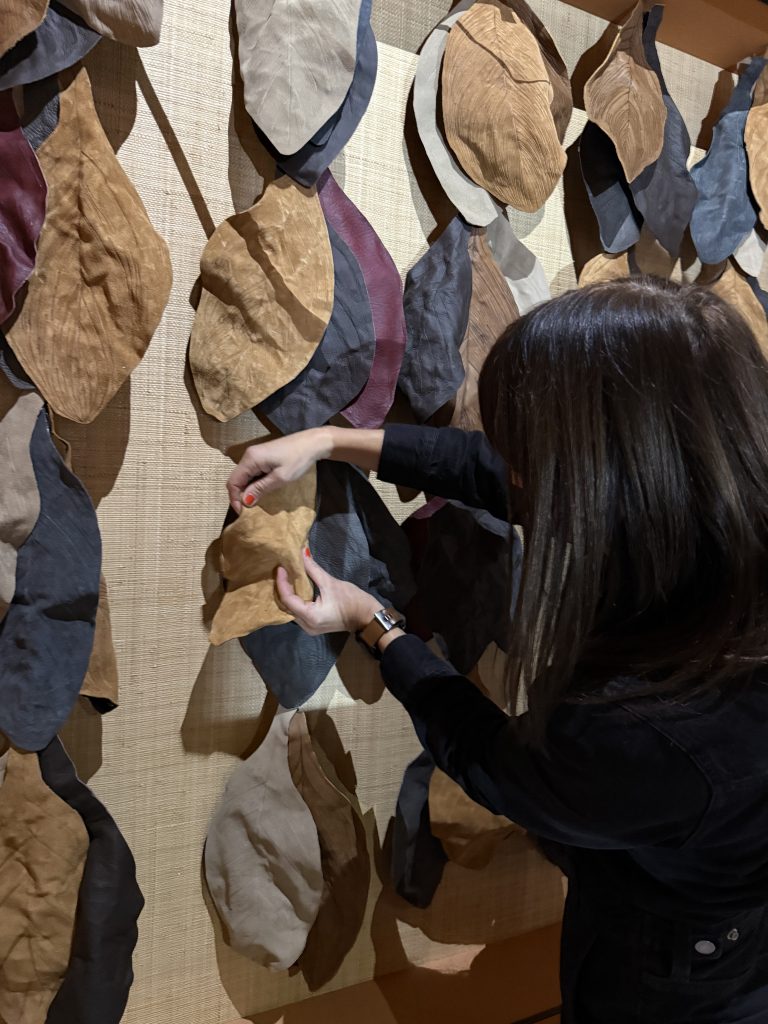
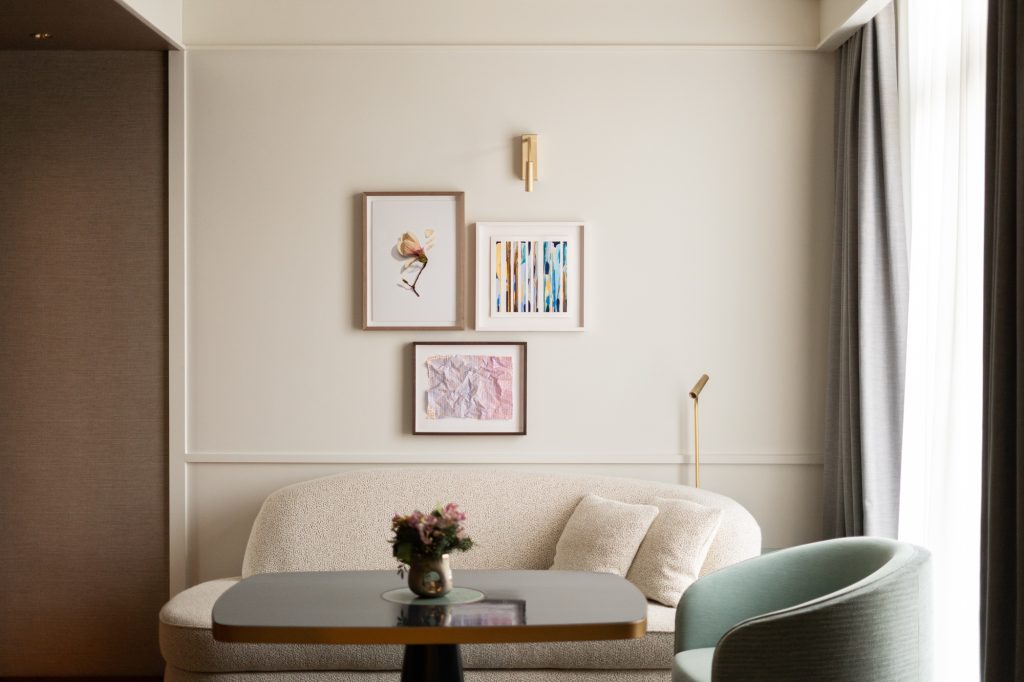
At The Florentin, art, interior architecture, and spatial planning were developed in parallel from the beginning, so placement, material choices, and commissioning decisions evolved in dialogue with the interior concept. 
The outcome was a collection created with 11 artists and 471 original artworks, installed across 134 guestrooms, lofts and suites, corridors, and public areas. 

This “parallel development” is where the invisible work happens: aligning sightlines and pacing, anticipating how guests move, where their attention rises and falls, where the building needs quiet, where it can hold intensity.

Permanent means “integrated,” not just “installed”

(c) Daniel Schäfer | The Florentin 

The artist selection is about practice, not popularity

In hotels, art is encountered repeatedly and at varying speeds, arriving late, passing through corridors, waking up in changing light. That demands a different kind of fit.

At Andaz Prague, Czech and international artists were invited to interpret specific Prague myths through their own language and medium, so the collection could operate as an “inner and outer journey,” tied to landmarks and legends. 

At Hotel Schneider, three international artists were commissioned through on-site residencies, engaging directly with Obertauern’s light and seasonal rhythm and the family running the hotel, so the works could grow from observation rather than abstraction. 

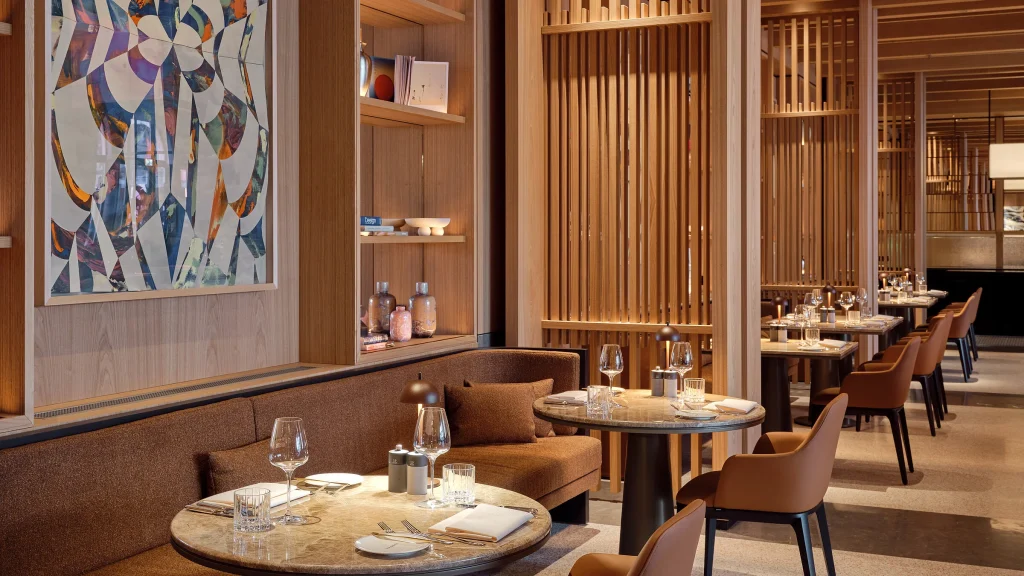
At Mandarin Oriental Savoy Zurich, the concept “Facets & Fragments of Zurich” was designed around Zurich’s contrasts, lake and mountain, heritage and innovation, brought into dialogue through more than 25 artists and 250+ artworks blending in a mix of various different mediums. 

The shared principle across all of these: selection starts with an artist’s ability to respond to context and scale, not an artist’s visibility at a given moment.

Museum standards are not a luxury detail; they are the spine

A permanent collection in a hotel has to survive: housekeeping, maintenance, seasonal turnover, the realities of guest life, and decades of environmental change.

That makes the “unseen” layers foundational:

  • commissioning briefs that protect the artist’s language and the hotel’s needs
  • production oversight for editions, materials, and installation requirements
  • framing, transport, and site coordination
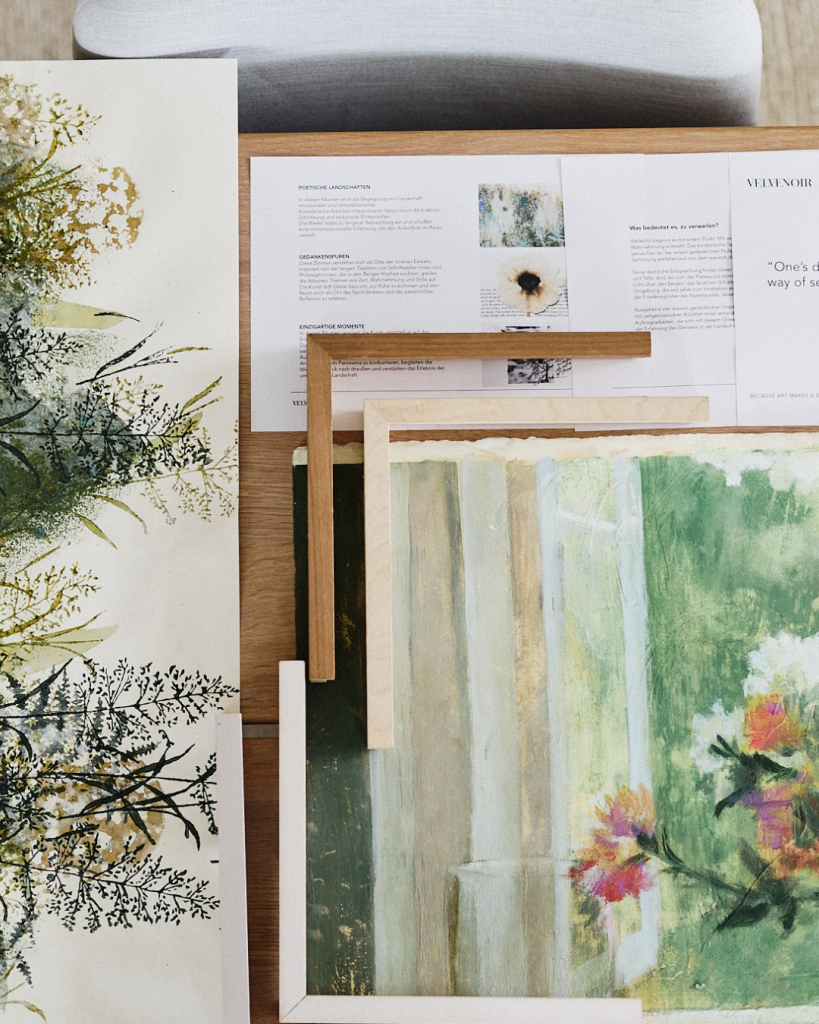
  • documentation, certificates, condition status at delivery, and a long-term care framework

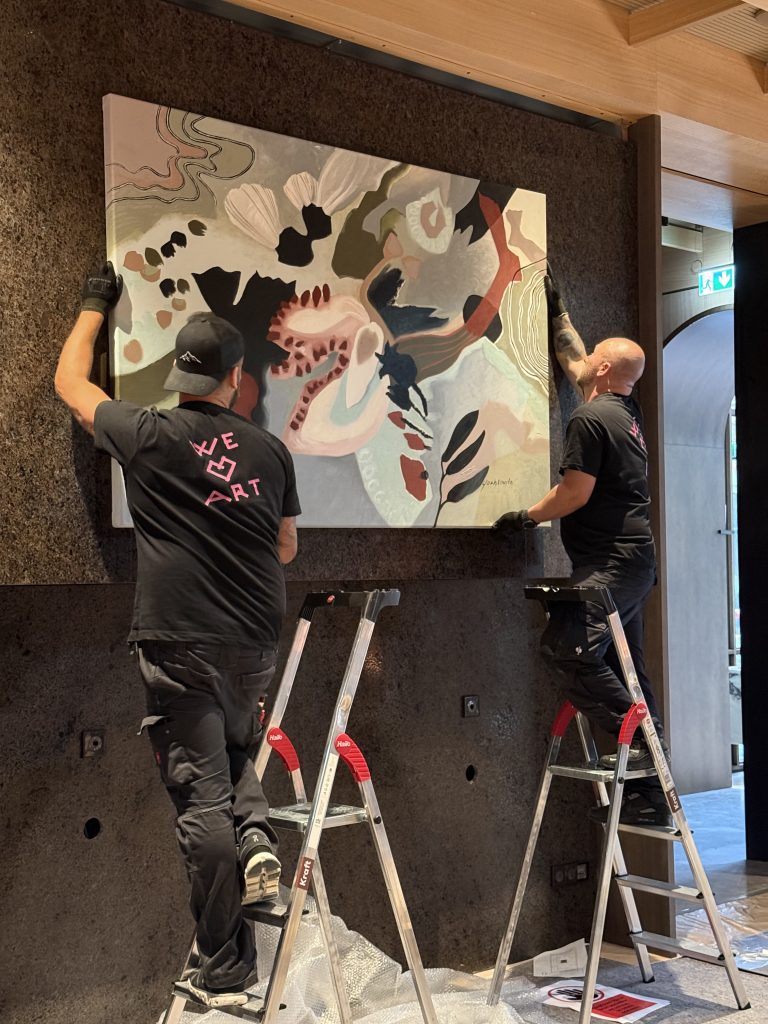
At Andaz Prague, the role explicitly included end-to-end delivery—commissioning, procurement, artist guidance, framing, transport, installation, coordinated with the in close collaboration with the team from hospitality developer. 

At The Florentin, the scope included end-to-end procurement supervision on-site installation and documentation across the entire property, with museum-standard procurement. 

This is not for show. It is what allows a collection to remain intact and legible years later, especially when teams change.


Communication is part of permanence

A collection can be beautifully built and still remain mute if nobody can carry it forward.

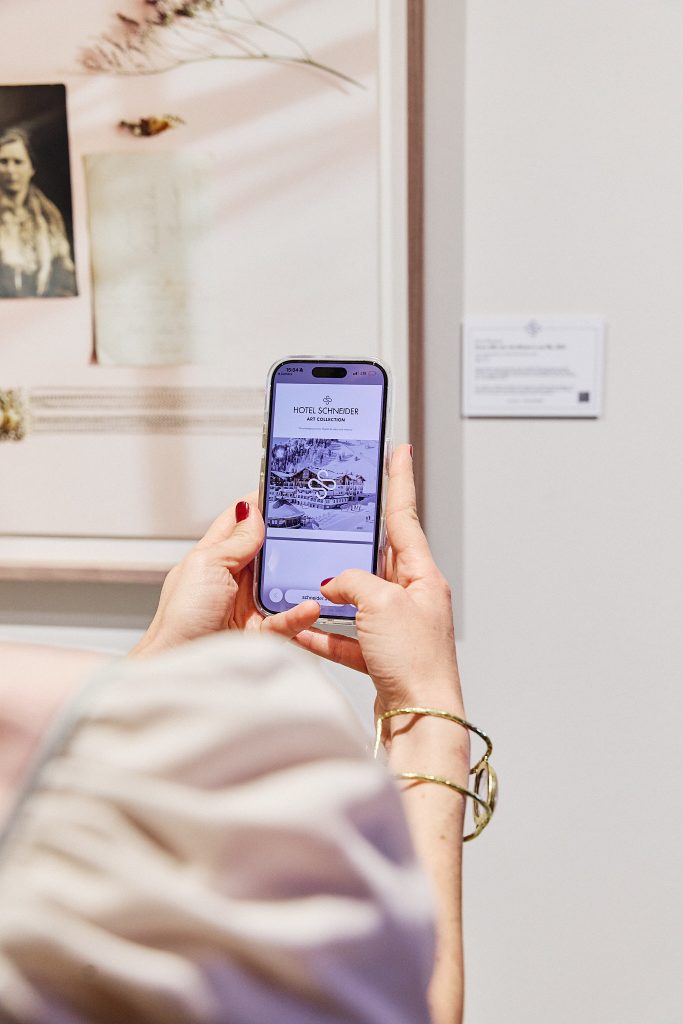
What matters in hotels is not heavy interpretation, but orientation—small, well-placed touchpoints that let guests enter the narrative if they want to, without forcing it.

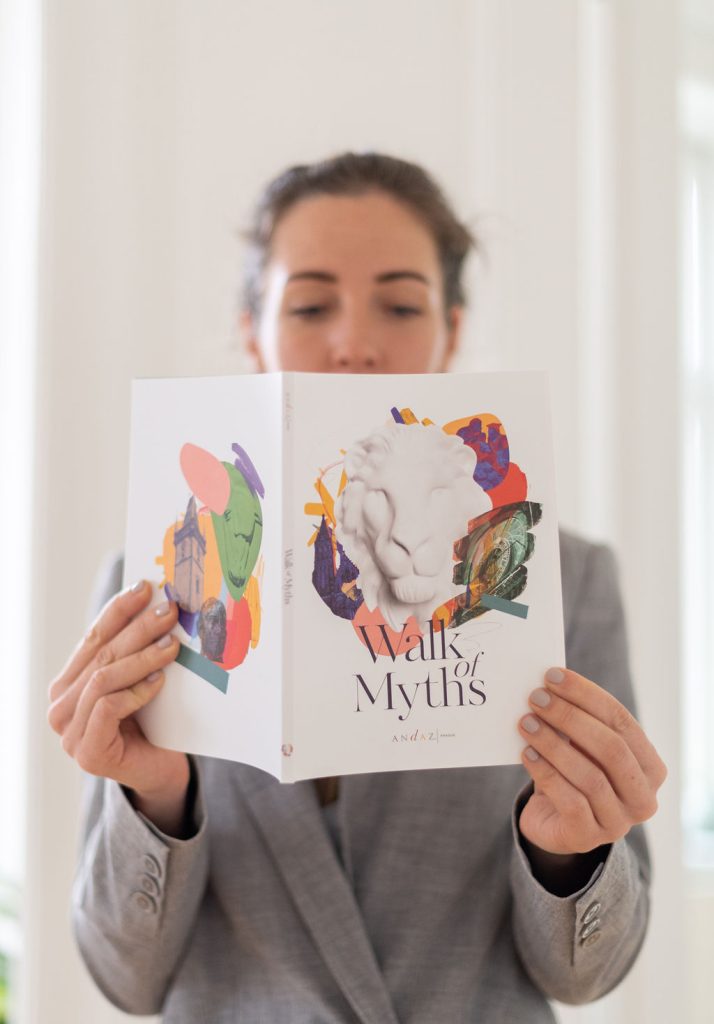
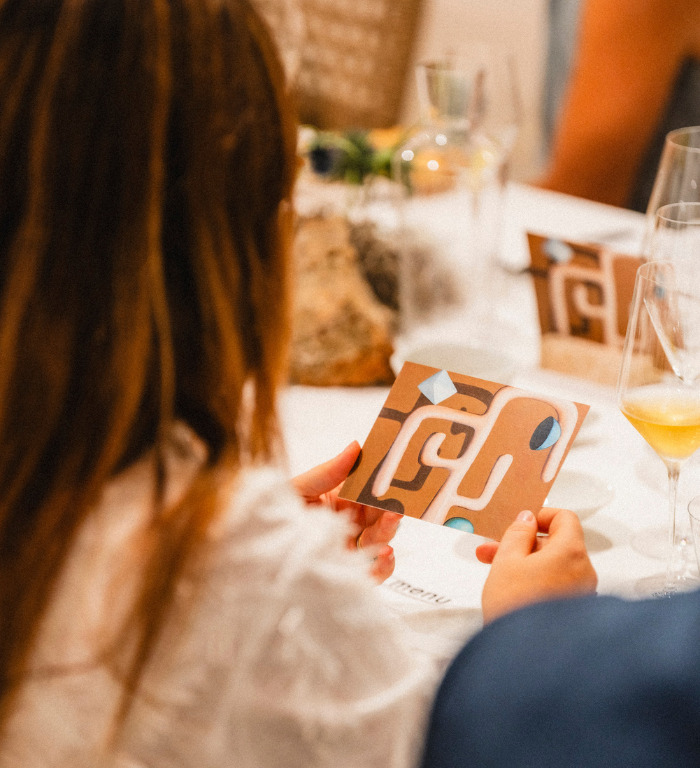
At Andaz Prague, guests receive a QR-code-enabled booklet that connects the works in the hotel to a curated city walking route—so the collection becomes a bridge between hotel and Prague itself. 

At Mandarin Oriental Savoy Zurich, the collection experience includes a digital booklet inviting guests to learn about the artists’ inspirations while aligning with the hotel’s sensibility and Zurich’s identity. 

At Hotel Schneider, the collection is described as a “living archive” encountered in passing moments—on the way to breakfast, returning from the slopes—allowing guests to find their own point of connection. 

Communication is a way to engage with guests, and invite them to join a dialogue with the property, its staff and the artists behind the work. 

(c) Nico Zuparic | Hotel Schneider Obertauern

The benefits hotels get when the collection is built this way

Across these projects, the long-term benefits show up in ways that are hard to fake:

  • Specificity: the hotel feels rooted in its place and story
  • Repeat discovery: returning guests notice new layers without the hotel needing constant novelty
  • Brand memory: the collection becomes part of what people recall when they think of the stay
  • Cultural weight: the property signals seriousness and worldview without saying it out loud

At The Florentin, the narrative is explicitly about accompanying guests through arrival, movement, and rest—art as part of the guest journey, not a separate feature. 

At Mandarin Oriental Savoy Zurich, even the corporate event rooms were curated as environments of cultural depth—meeting spaces where art frames conversation rather than merely filling walls. 

(c) Daniel Schäfer | The Florentin
(c) Diana Iskander | Mandarin Oriental Savoy Zurich

The future outlook: what hotel collections will need from 2026 onward

The next decade will likely reward collections that behave like living cultural systems:

  • More commissioning tied to place (not generic “hotel art”)
  • More layered interpretation (digital booklets, quiet routes, staff literacy) rather than wall text overload
  • More attention to care protocols and documentation as hotels professionalise stewardship
  • More integration with experience design—how guests move, pause, return, remember

The hotels that will remain culturally resonant won’t be the ones that refresh their walls most often. They will be the ones who build collections with enough internal logic to stay relevant as everything else evolves.

closing thought

When we look back at Prague, Zurich, Obertauern, and Frankfurt, the common denominator is not style. It is method: beginning with the truth of a place, developing art alongside the architecture, working with artists whose practices can hold context, delivering to museum standards, and building a communication layer that keeps the collection legible over time.

A permanent collection, at its best, does not try to impress the present.
It shapes what the hotel will be remembered for—quietly, season after season.


Contact

info@velvenoir.com | +43/ 676 55 11 252 

Write Us a Note

This website stores cookies on your computer. Cookie Policy

Stay connected to the projects we shape, the artists we collaborate with, and the collections now welcoming guests.

Fill out the form, to sign up to our monthly VELVENOIR N°ewsletters